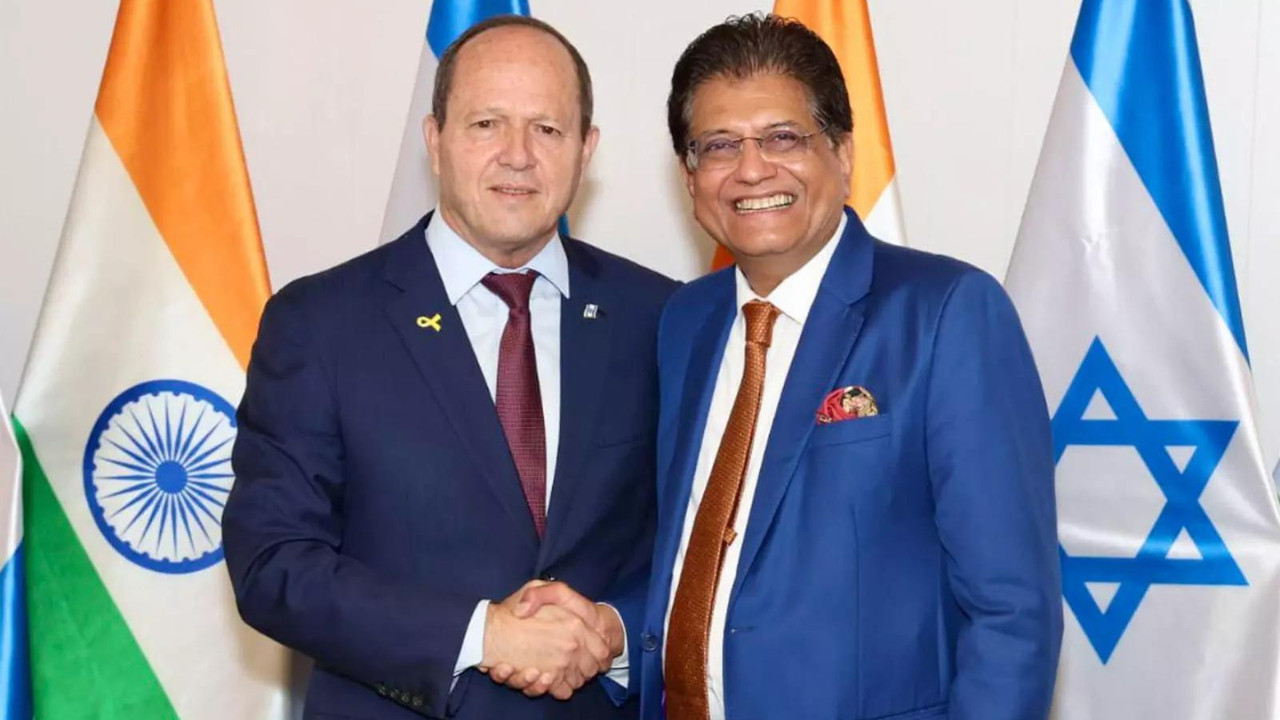
India and Israel have officially launched negotiations for a free trade agreement, signing terms of reference to guide discussions. The pact aims to boost trade by removing barriers, facilitating investment, and enhancing cooperation in innovation and technology. Israel has assured India it won’t seek market access in sensitive sectors like dairy and agriculture, opening new avenues for bilateral commerce.
A New Chapter for India-Israel Ties: Free Trade on the Horizon
For years, the blossoming relationship between India and Israel has captivated observers, moving from quiet cooperation to a vibrant partnership spanning defense, technology, and cultural exchange. Now, it seems, that bond is set to deepen even further. All signs indicate that the two nations are ready to take the next logical leap: formal talks for a comprehensive free trade agreement (FTA).
What exactly does this potential FTA entail, and why is it such a significant development? Put simply, a free trade agreement aims to reduce or eliminate barriers to trade and investment between participating countries. This can involve slashing tariffs (taxes on imports), streamlining customs procedures, and establishing clear rules for investment. For India and Israel, the possibilities are immense.
The current trade relationship, while already robust, leaves plenty of room for expansion. Think of it like a promising sapling ready to burst into a mighty tree. While sectors like diamonds have long been pillars of the trade, a free trade agreement opens doors for growth in diverse areas like agriculture, pharmaceuticals, textiles, and high technology.
Why Now for an India-Israel Free Trade Deal?
Several factors are converging to make this the opportune moment for FTA negotiations. Both nations recognize the strategic importance of closer economic ties, particularly in an increasingly complex global landscape. India, seeking to bolster its manufacturing sector and attract foreign investment, sees Israel as a valuable partner for technological know-how and innovation.
Consider the agricultural sector. Israel’s expertise in precision irrigation, water management, and advanced agricultural techniques could be a game-changer for India’s efforts to enhance food security and improve farmer incomes. Imagine Indian farmers adopting Israeli innovations to cultivate crops more efficiently and sustainably.
Conversely, Israel stands to benefit from access to India’s vast and growing market, becoming a hub for Israeli exports and investment. The demographic dividend of India’s large population, coupled with its increasing purchasing power, presents a significant opportunity for Israeli businesses.
<img src="india-israel-trade.jpg" alt="India and Israel flags flying together, representing the potential for strengthened economic ties through a free trade agreement.” width=”600″ height=”400″>
Furthermore, the FTA isn’t just about economics; it’s also about geopolitics. Strengthening ties with a key player in the Middle East aligns with India’s broader strategic interests, fostering stability and promoting regional cooperation. Likewise, for Israel, deeper engagement with India provides a vital economic anchor and a strategic ally on the world stage.
Potential Hurdles and the Road Ahead
Of course, negotiating a free trade agreement is never a walk in the park. Differences in economic structures, regulatory frameworks, and negotiating priorities can present challenges. Both sides will need to carefully consider the impact on domestic industries and ensure that the agreement is mutually beneficial.
Navigating sensitive sectors, such as agriculture, where both countries have specific protections in place, will require careful negotiation and compromise. Additionally, ensuring that the FTA promotes fair competition and protects intellectual property rights will be crucial for fostering trust and sustainable economic growth.
Despite these potential hurdles, the commitment from both governments to forge ahead with negotiations signals a strong desire to reach a mutually agreeable outcome. The potential rewards are simply too great to ignore.

Impact and Future Projections
The successful implementation of an India-Israel free trade deal promises a significant boost to bilateral trade, potentially doubling or even tripling it within a few years. More importantly, it will foster deeper economic integration, create new jobs, and drive innovation in both countries.
Beyond the immediate economic benefits, the FTA could serve as a model for other countries in the region, demonstrating the power of trade and cooperation to promote peace and prosperity. It is also likely to spur further collaboration in areas such as cybersecurity, renewable energy, and healthcare, solidifying the strategic partnership between India and Israel for years to come. This agreement builds on previous successes, like the India-UAE Comprehensive Economic Partnership Agreement (CEPA), showing India’s increasing focus on leveraging trade to boost its economy.
In conclusion, the prospect of an India-Israel free trade agreement represents a pivotal moment in the relationship between these two dynamic nations. While challenges may lie ahead, the potential benefits for both economies – increased trade, technological collaboration, and stronger strategic ties – are undeniable. The formal launch of negotiations marks a significant step towards realizing this exciting vision.