India is set to boost its critical mineral production by rationalizing royalty rates for graphite, caesium, rubidium, and zirconium. This move, approved by the Union Cabinet, aims to reduce import dependency and strengthen supply chains, especially as China imposes export restrictions.
Blog Post:
India Takes Aim at Critical Mineral Dominance: A Bold New Strategy
For years, the global supply chain for critical minerals has resembled a tightly controlled game, with a few key players holding the cards. Among these, China has established a significant, some might say dominant, position, particularly in the extraction and processing of elements crucial for everything from electric vehicle batteries to advanced electronics. But the winds of change are stirring, and India is stepping onto the playing field with a determined strategy to reshape the landscape.
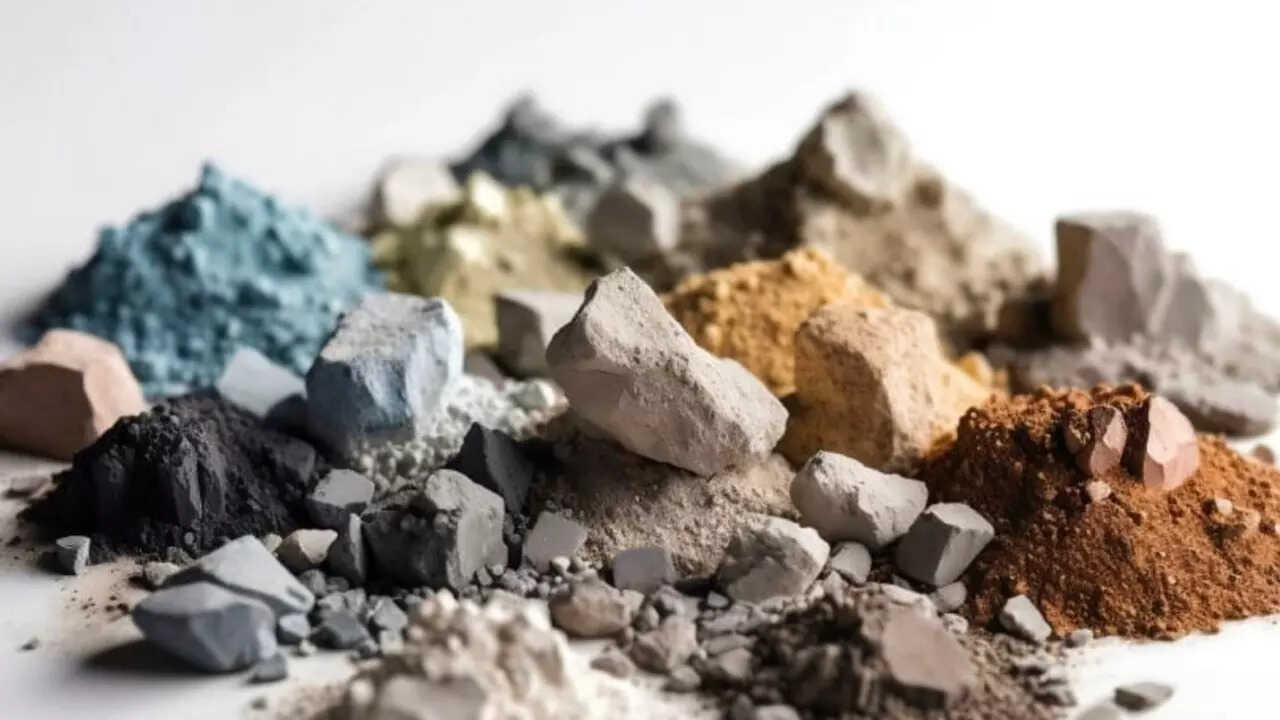
The recent cabinet approval to rationalize royalty rates for graphite, caesium, rubidium, and zirconium marks a pivotal moment. These minerals aren’t just ingredients; they are the building blocks of modern technology and hold immense strategic importance. Graphite, for instance, is a core component of EV batteries, while caesium and rubidium find applications in atomic clocks and other high-precision instruments. Zirconium, known for its resistance to corrosion, is indispensable in the nuclear and aerospace industries.
The existing royalty structure in India hasn’t always been conducive to attracting investment and encouraging domestic production. The government’s move to adjust these rates is designed to incentivize exploration, mining, and processing activities within the country. This isn’t just about extracting resources; it’s about creating a robust domestic ecosystem that can compete on a global scale.
Why Now? The Urgency Behind Securing India’s Mineral Future
The impetus behind this strategic push is multifaceted. First and foremost, it’s about reducing reliance on a single source for critical minerals. Over-dependence on any one nation creates vulnerabilities, especially in a world marked by geopolitical uncertainties and trade tensions. By diversifying its supply chains, India aims to bolster its economic security and strategic autonomy.


Second, India’s ambition to become a manufacturing powerhouse hinges on access to these essential resources. The “Make in India” initiative, with its focus on boosting domestic production across various sectors, requires a reliable and affordable supply of critical minerals. This royalty rate rationalization is a crucial step in ensuring that Indian manufacturers have the raw materials they need to thrive.
Finally, there’s the growing global demand for these minerals, driven by the clean energy transition. As the world shifts towards electric vehicles, renewable energy systems, and other sustainable technologies, the demand for minerals like lithium, cobalt, and graphite is set to skyrocket. India recognizes this opportunity and is positioning itself to capitalize on it.
Graphite: A Key Focus in India’s Critical Minerals Strategy
The focus on graphite is particularly noteworthy. The rise of electric vehicles has made graphite a hot commodity. India, with its growing EV market, needs a secure supply of this material. By incentivizing domestic graphite production, the government hopes to reduce its dependence on imports and create jobs within the country.
But the benefits extend beyond just EVs. Graphite is also used in steelmaking, lubricants, and various other industrial applications. A strong domestic graphite industry can therefore support a wide range of sectors.
Countering Export Restrictions: A Proactive Approach
China’s dominance in the critical minerals sector has, at times, been accompanied by export restrictions or supply disruptions. This has highlighted the risks of relying on a single dominant supplier. India’s move to boost domestic production is a proactive step towards mitigating these risks.
By building its own capabilities in exploration, mining, and processing, India can create a more resilient and diversified supply chain. This will not only benefit Indian industries but also contribute to greater stability in the global market for critical minerals.

Looking Ahead: A Marathon, Not a Sprint
The rationalization of royalty rates is just one piece of the puzzle. To truly establish itself as a major player in the critical minerals arena, India will need to invest in research and development, develop sustainable mining practices, and forge strategic partnerships with other resource-rich countries.
This is a long-term endeavor, but the potential rewards are significant. A secure and diversified supply of critical minerals will not only strengthen India’s economy and strategic position but also contribute to a more sustainable and resilient global future. As India navigates this crucial path, its moves will be keenly watched by nations around the world. Consider how this initiative ties into broader efforts at resource security, like ongoing improvements in India’s recycling infrastructure.
Conclusion: A Future Forged in the Earth
India’s strategic push to enhance domestic critical mineral production signals a determined effort to carve out a more secure and influential position in the global resource landscape. By focusing on incentivizing domestic production and diversifying its supply chains, India isn’t just addressing current vulnerabilities; it’s laying the foundation for a more resilient and prosperous future powered by sustainably sourced critical minerals.