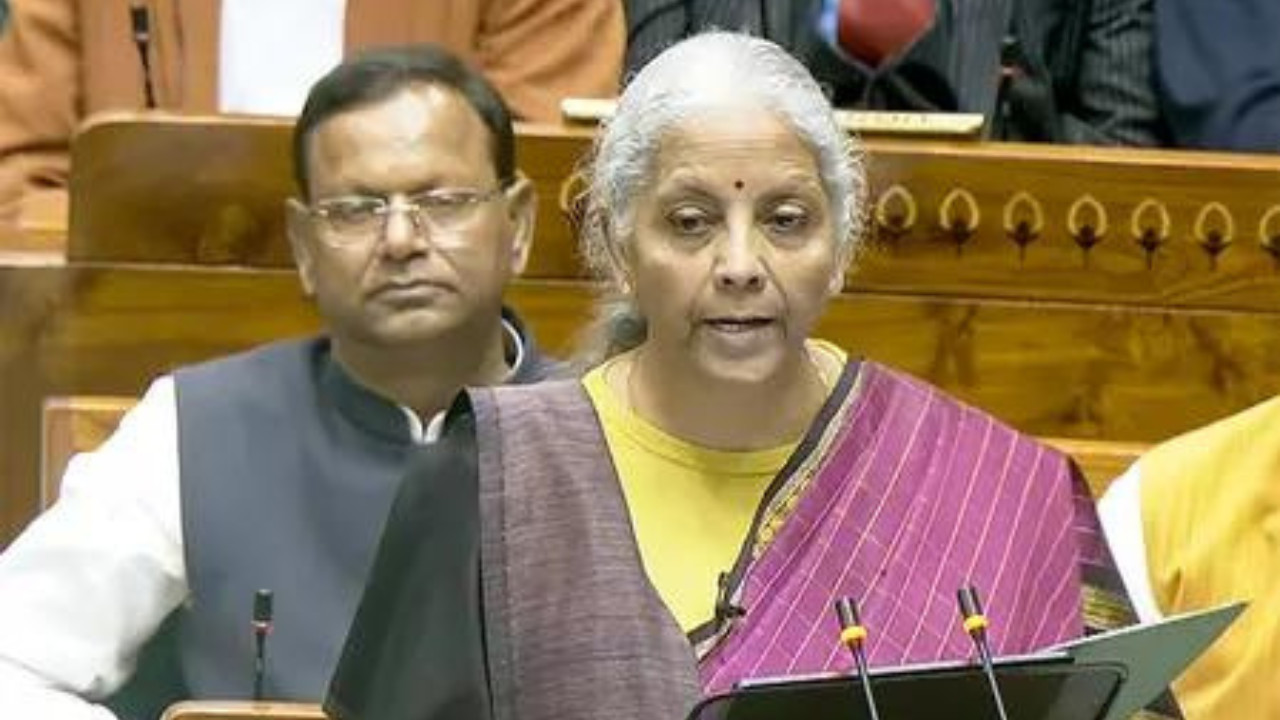
India is set to boost its critical mineral production by rationalizing royalty rates for graphite, caesium, rubidium, and zirconium. This move, approved by the Union Cabinet, aims to reduce import dependency and strengthen supply chains, especially as China imposes export restrictions.
India’s Play to Win: Leveling the Playing Field in Critical Minerals
For years, the global supply chain of critical minerals has been a precarious balancing act, heavily reliant on a select few nations. The whispers about vulnerabilities have grown into a roar, particularly when it comes to China’s dominance in key resources. Now, India is stepping onto the stage with a bold strategy to secure its future and challenge the status quo. The recent cabinet approval to rationalize royalty rates for vital minerals like graphite, caesium, rubidium, and zirconium is a clear signal: India is serious about critical minerals independence.
But why this sudden urgency? And what does this mean for the rest of the world? The answer lies in understanding the pivotal role these minerals play in everything from renewable energy technologies to advanced electronics and defense systems. Imagine a world without powerful batteries, efficient solar panels, or cutting-edge semiconductors. These are the building blocks of a modern, sustainable future, and they all depend on a steady supply of these often-overlooked elements.

India’s decision to adjust royalty rates is a calculated move designed to incentivize domestic exploration and production. In simple terms, it makes it more attractive for companies to invest in finding and extracting these valuable resources within India’s borders. By lowering the financial burden associated with royalties, the government hopes to unlock untapped potential and reduce reliance on imports. Think of it as a strategic investment in national security and economic prosperity.

The impact of China’s near-monopoly on these resources extends beyond mere economic considerations. Geopolitical leverage, the ability to control prices, and even the potential for weaponizing supply chains are all real concerns. By diversifying its sources of critical minerals, India aims to insulate itself from these risks and secure a more stable and predictable supply for its industries.
Graphite’s Crucial Role and India’s Opportunity
Consider graphite, a key component in electric vehicle batteries. As the world transitions towards electric mobility, demand for graphite is set to skyrocket. India possesses significant graphite reserves, but unlocking this potential requires more than just digging in the ground. It demands a supportive regulatory environment, technological innovation, and strategic investment. Rationalizing royalty rates is just one piece of the puzzle, but it’s a crucial one.
Moreover, the cabinet’s decision isn’t just about attracting large multinational corporations. It’s also about empowering local communities and fostering sustainable mining practices. Responsible resource extraction that benefits both the economy and the environment is the ultimate goal. This focus on sustainability will be critical to long-term success.
Beyond Graphite: A Holistic Approach to Critical Minerals

The focus extends beyond graphite. Caesium, rubidium, and zirconium, while less well-known, are equally vital. Caesium is used in atomic clocks, which underpin modern communication systems. Rubidium finds applications in specialized electronics and medical imaging. Zirconium is crucial in nuclear reactors and high-performance ceramics. By addressing the royalty rates for these diverse minerals, India is demonstrating a comprehensive approach to securing its supply chain across a broad range of strategic sectors.
But what does this mean on a practical level? We can expect to see increased exploration activity, the development of new mining projects, and a renewed focus on processing and refining these minerals within India. This, in turn, will create jobs, stimulate economic growth, and enhance India’s technological capabilities. It’s a win-win scenario.
This move is not without its challenges. Developing the necessary infrastructure, attracting skilled labor, and ensuring environmentally responsible mining practices will require sustained effort and careful planning. However, the potential rewards – economic independence, enhanced national security, and a more sustainable future – are well worth the effort. India’s commitment to critical minerals is a signal to the world that it is ready to play a leading role in shaping the future of global resource security.
In conclusion, India’s proactive approach to securing its supply of critical minerals represents a strategic shift with far-reaching implications. By rationalizing royalty rates and incentivizing domestic production, the nation is not only reducing its reliance on foreign sources but also positioning itself as a key player in the global market for these essential resources. The ripple effects of this decision will be felt across industries, from renewable energy to defense, paving the way for a more secure and sustainable future. This effort complements existing initiatives like the Production Linked Incentive (PLI) scheme, further solidifying India’s commitment to becoming a manufacturing powerhouse.