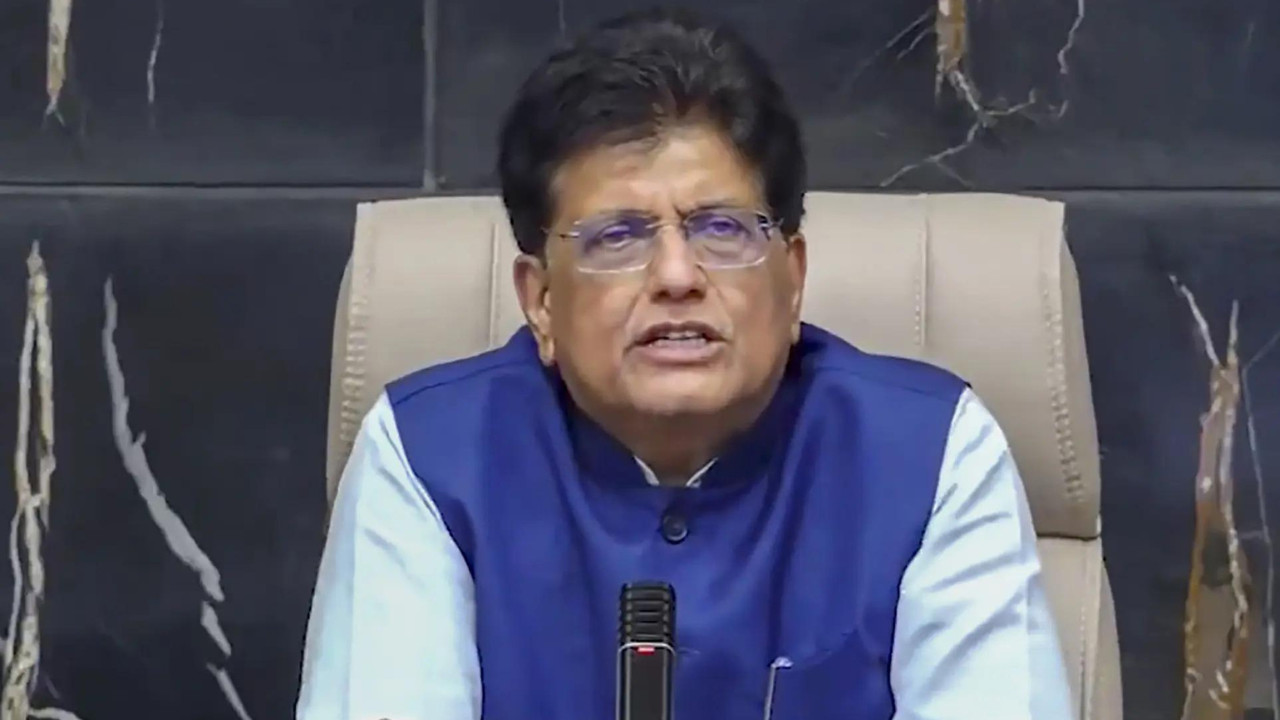
Commerce and Industry Minister Piyush Goyal is in New Zealand to accelerate Free Trade Agreement negotiations with Trade Minister Todd McClay. The visit underscores a shared commitment to expedite the FTA process and foster a stronger economic partnership. Goyal will also engage with the New Zealand business community to deepen trade and investment cooperation.
Building Bridges: India and New Zealand Rev Up Trade Talk Engines
The scent of progress is in the air as India and New Zealand gear up to significantly deepen their economic relationship. Commerce and Industry Minister Piyush Goyal is heading to Auckland to meet with his Kiwi counterpart, Trade Minister Todd McClay, to inject some serious momentum into stalled Free Trade Agreement (FTA) negotiations. This isn’t just another meeting; it’s a renewed push to unlock the vast potential simmering beneath the surface of Indo-Pacific trade.
For years, the idea of a comprehensive FTA between these two nations has danced tantalizingly on the horizon. Now, with both sides expressing a clear desire to fast-track discussions, that horizon feels a whole lot closer. Think of it as a high-stakes chess match, where each move aims to benefit the citizens and businesses of both countries.
Why the Sudden Urgency to Foster India New Zealand Trade?
The drivers are multifaceted. For India, New Zealand represents a valuable partner in diversifying its trade portfolio and securing access to high-quality agricultural products. New Zealand, renowned for its dairy and forestry sectors, stands to gain immensely from tapping into India’s massive and rapidly growing consumer market.
But it’s not just about buying and selling more stuff. It’s about strengthening geopolitical ties and fostering a rules-based trading system in an increasingly complex world. A successful FTA could act as a beacon, demonstrating the power of collaboration and mutual benefit in a time of global uncertainty. Furthermore, deepening trade with reliable partners is paramount as nations seek to stabilize and strengthen their supply chains.


What’s on the Table?
The agenda for the Auckland meeting is expected to be packed. Key areas of discussion will likely include:
* Tariff reductions: The bread and butter of any FTA. Expect intense negotiations over which goods and services will be subject to lower tariffs, making them more competitive in each other’s markets.
* Rules of origin: Defining what exactly constitutes a “product of India” or a “product of New Zealand” is crucial to prevent goods from other countries sneaking in and unfairly benefiting from the FTA.
* Services liberalization: Opening up sectors like IT, tourism, and education to greater cross-border collaboration. Imagine more Indian tech professionals working in New Zealand or more New Zealand students studying in India.
* Investment promotion: Creating a more welcoming environment for businesses from both countries to invest in each other’s economies. This could mean streamlined regulations and greater legal protection for investors.
* Sanitary and phytosanitary (SPS) measures: Ensuring that food safety standards are harmonized to facilitate the smooth flow of agricultural products. No one wants contaminated kiwifruit or dodgy spices crossing borders!
Beyond the Bottom Line: The Bigger Picture
While the economic benefits of an FTA are undeniable, the potential impact goes far beyond mere numbers. It’s about building stronger people-to-people connections, fostering cultural exchange, and promoting a shared understanding of each other’s values.
Think about the ripple effect. Increased trade could lead to more jobs, higher incomes, and greater economic opportunities for citizens in both countries. It could also spur innovation as businesses are forced to become more competitive.

This push for closer ties also aligns with India’s broader “Act East” policy, which aims to strengthen its engagement with countries in the Asia-Pacific region. New Zealand, with its strong commitment to free trade and its strategic location in the Pacific, is a natural partner in this endeavor. Find out how India is also strengthening ties with Australia by exploring the India-Australia trade relationship.
The Road Ahead for India New Zealand Trade Relations
Of course, sealing the deal on a comprehensive FTA won’t be a walk in the park. There will be tough compromises to be made, and both sides will need to demonstrate flexibility and a willingness to find common ground. But the fact that both governments are now actively prioritizing these negotiations is a promising sign.
If successful, this FTA could serve as a template for future trade agreements between India and other countries in the region. It could also help to reshape the global trading landscape, promoting a more inclusive and sustainable model of economic development. The stakes are high, but the potential rewards are even higher. The upcoming meeting in Auckland isn’t just about trade; it’s about building a stronger, more prosperous future for both India and New Zealand.
The dedication of both nations to fostering stronger trade relationships signifies a promising outlook for their future collaboration. If successful, this new agreement will open doors to an array of opportunities for economic growth and mutual advancement.