Russia has proposed fresh shipbuilding initiatives to India, aiming to expand maritime cooperation across the Indo-Pacific and Indian Ocean Region. Discussions covered civilian maritime sectors, including vessel designs, port infrastructure, and crew training. Both nations explored opportunities in green shipbuilding and specialized vessel construction.
Riding the Wave: India and Russia Chart a New Course in Maritime Cooperation
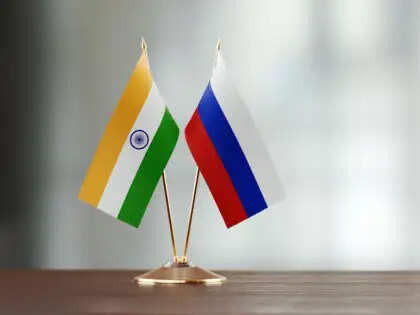
The seas are vast, and the possibilities they hold are even more expansive. India and Russia, two nations with long-standing ties, are looking to deepen their maritime partnership, moving beyond traditional trade routes to explore collaborative ventures in shipbuilding and port infrastructure. This isn’t just about moving goods from point A to point B; it’s about forging a stronger, more resilient maritime future together, with potential ripples felt across the Indo-Pacific region.
Russia has explicitly proposed this enhanced cooperation, signaling a clear intent to move beyond simple transactional relationships. The vision extends to joint projects in building and modernizing ports, as well as working together on the construction of new vessels. This isn’t merely a sale of Russian technology; it’s about joint ventures, shared expertise, and the creation of lasting infrastructure that benefits both nations.
Why Maritime Cooperation Matters Now More Than Ever
In an increasingly interconnected world, maritime routes are the lifeblood of global commerce. For India, a nation with a rapidly growing economy and a strategic location in the Indian Ocean, a strong maritime presence is paramount. Similarly, Russia, with its extensive coastline and ambitions in the Arctic and Pacific, recognizes the importance of securing its maritime interests. This shared understanding makes the India-Russia partnership a natural fit.
But the significance extends beyond economics. A robust maritime partnership strengthens regional security, enhances disaster response capabilities, and facilitates scientific research. Imagine a future where Indian and Russian vessels collaborate on oceanographic studies, working together to understand the effects of climate change on our oceans. The potential benefits are enormous.

Shipbuilding: A New Frontier for Collaboration
One of the most exciting aspects of this proposed partnership is the focus on shipbuilding. Russia has a long and storied history in naval architecture, possessing advanced technologies and expertise in the construction of various types of vessels. India, on the other hand, is actively working to bolster its domestic shipbuilding industry under the “Make in India” initiative.

By combining Russian expertise with Indian manufacturing capabilities, the two nations could create a powerful synergy. This could lead to the joint production of cargo ships, tankers, and even specialized vessels for research and defense. The transfer of technology and knowledge would not only benefit both countries but also contribute to the growth of the Indian maritime sector as a whole. This proposed maritime cooperation would create jobs and foster innovation.
Port Infrastructure: Building the Foundation for Growth
Modern and efficient ports are essential for facilitating trade and supporting economic growth. Both India and Russia recognize the need to invest in port infrastructure to meet the demands of the 21st century. Russia’s proposal includes collaboration on the development and modernization of port facilities, which could involve the construction of new berths, the installation of advanced cargo handling equipment, and the implementation of smart port technologies.
This collaboration could be particularly beneficial for India, which is aiming to enhance its port capacity and improve its logistics infrastructure. By working with Russia, India can gain access to cutting-edge technologies and best practices in port management. Similarly, Russia could benefit from India’s experience in managing large-scale port projects and navigating the complexities of the Indo-Pacific region. Learn more about India’s strategic port development plans.

Expanding Across the Indo-Pacific: A Regional Vision
The implications of this India-Russia maritime partnership extend far beyond their bilateral relationship. The Indo-Pacific region is a vital hub for global trade and a region of increasing strategic importance. By working together, India and Russia can contribute to the stability and security of the region, promoting free and open sea lanes and ensuring the smooth flow of commerce.
This partnership is not aimed at any specific country or group of countries. Rather, it is a collaborative effort to enhance maritime security, promote economic growth, and foster regional cooperation. The focus is on creating a level playing field for all stakeholders and ensuring that the Indo-Pacific remains a region of peace and prosperity.
The deepening maritime ties between India and Russia represent a significant development in their bilateral relationship. This isn’t just about building ships and ports; it’s about building trust, fostering innovation, and creating a shared vision for a secure and prosperous maritime future. The seas, after all, connect us all.