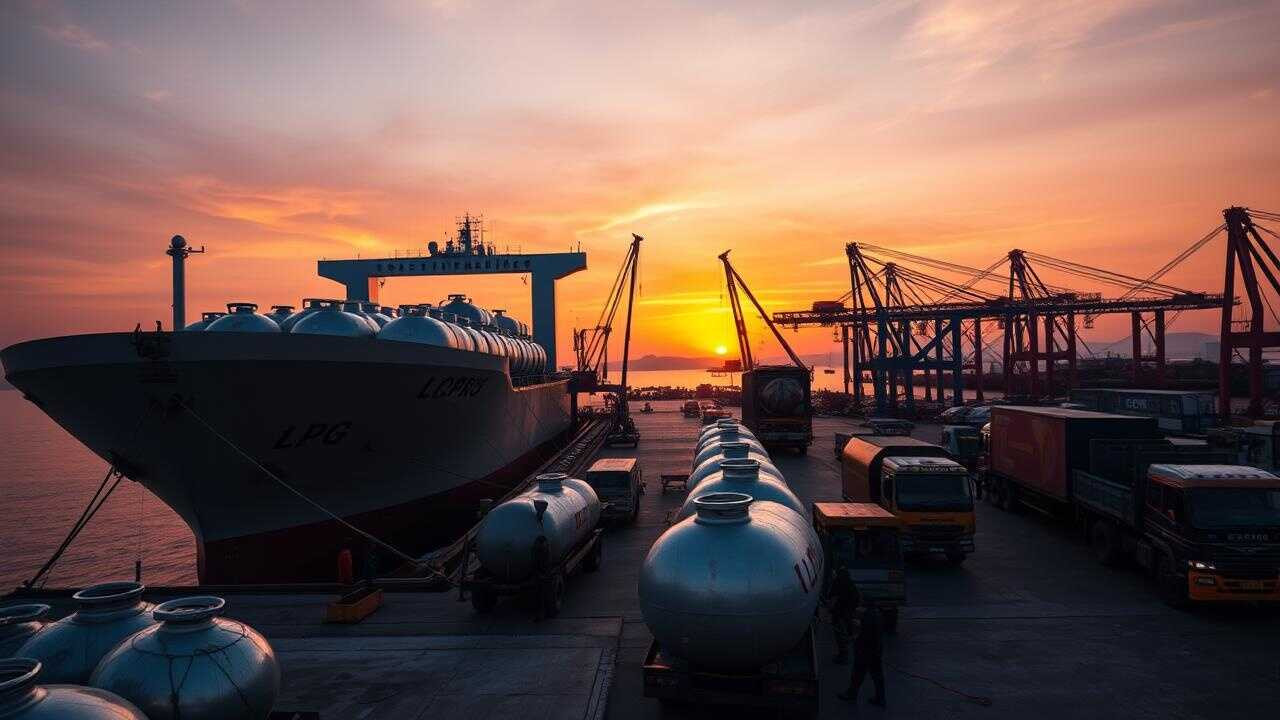
India has finalized its first one-year structured agreement to import approximately 2.2 million tonnes per annum of LPG from the US Gulf Coast. This historic deal, set for 2026, diversifies India’s energy supply chain and marks a significant step in securing stable and affordable LPG for households, including Ujjwala beneficiaries.
India Secures Landmark LPG Deal with the US: A New Era for Energy
For decades, India has navigated a complex global energy landscape, carefully balancing its rapidly growing needs with the realities of international markets. Now, a game-changing development has emerged: India has inked its very first long-term agreement to import Liquefied Petroleum Gas (LPG) from the United States. This isn’t just a simple transaction; it’s a strategic move with far-reaching implications for India’s energy security and its relationship with a key global partner.
The deal, finalized between India’s state-owned Bharat Petroleum Corporation Ltd (BPCL) and US-based energy firm, marks a commitment to supply 2.2 million metric tonnes per annum (MMTPA) of LPG to India. To put that into perspective, this supply is estimated to fulfill approximately 10% of India’s total LPG import requirements. This signifies a substantial reliance on US LPG, diversifying India’s import sources considerably.
So, what sparked this landmark agreement? Several factors likely contributed. Firstly, the United States has dramatically increased its LPG production in recent years, thanks to the shale gas revolution. This has transformed the US from a net importer to a major exporter of energy, actively seeking new markets for its abundant resources.
Secondly, India’s demand for LPG is skyrocketing. Fueled by a growing middle class and government initiatives aimed at expanding access to clean cooking fuels in rural areas, the demand for LPG has never been higher. The Pradhan Mantri Ujjwala Yojana (PMUY), for example, has been instrumental in providing millions of households with LPG connections, significantly reducing reliance on traditional, polluting fuels.


Why This Deal Matters for India
Beyond the numbers, this LPG pact represents a significant shift in India’s energy strategy. Here’s a closer look at why it matters:
* Enhanced Energy Security: By diversifying its LPG import sources, India reduces its vulnerability to supply disruptions and price volatility in the global market. Relying on a single or limited number of suppliers can be risky, as geopolitical events or unforeseen circumstances can impact supply chains. The new agreement with the US adds a crucial layer of resilience to India’s energy infrastructure.
* Strengthened US-India Ties: This deal further solidifies the strategic partnership between India and the United States. Energy cooperation is a key pillar of the relationship, and this agreement underscores the commitment of both countries to working together on energy security and economic growth. This partnership also creates opportunities for further collaboration in the energy sector, potentially leading to more investments and technological exchanges.
* Economic Benefits: The long-term nature of the agreement provides BPCL with greater price certainty and predictability, which can translate into more stable LPG prices for consumers. It also supports economic activity in both countries, creating jobs and generating revenue. The deal will help boost trade between the two nations, further strengthening economic ties.
* Supports Clean Energy Transition: While LPG is a fossil fuel, it burns cleaner than traditional cooking fuels like wood and kerosene. Increased access to LPG can improve air quality and reduce health problems associated with indoor air pollution, particularly in rural areas. This move supports India’s commitment to a cleaner environment.
Navigating the Road Ahead
While this LPG deal is undoubtedly a positive development, challenges remain. The global energy market is constantly evolving, and India must continue to adapt its energy strategy to meet its growing needs while also transitioning to a low-carbon future. This means investing in renewable energy sources, improving energy efficiency, and exploring new technologies.
Also, it is important to keep an eye on global LPG prices and maintain a diversified portfolio of suppliers. Reliance on a single nation as a major supplier comes with risks. India should continue strengthening ties with other LPG-exporting nations.

This initial agreement is also an opportunity for growth. India should pursue larger supply agreements, if needed, with similar nations with excess supply.
Moving forward, India must strike a balance between ensuring energy security, promoting economic growth, and mitigating climate change. This requires a comprehensive and integrated energy policy that takes into account the country’s unique circumstances and priorities. Building strong partnerships with reliable energy suppliers, like the United States, will be crucial in achieving these goals. We can explore related articles on our site, such as “The Future of Renewable Energy in India,” for a broader perspective on India’s energy transition.
In conclusion, India’s first long-term LPG deal with the US represents a pivotal moment in its energy journey. This deal offers enhanced energy security, strengthens bilateral relations, and supports the nation’s clean energy transition. As India continues to grow and develop, strategic partnerships like this one will play an increasingly important role in ensuring a sustainable and prosperous future.