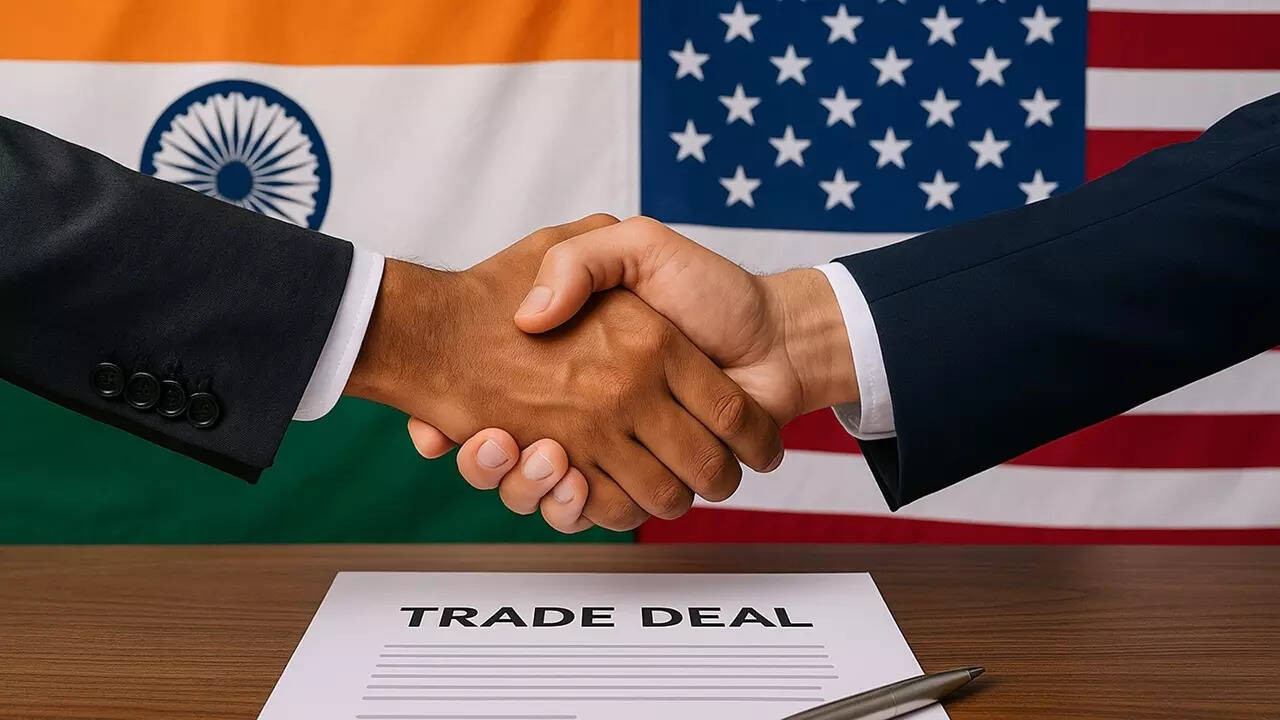
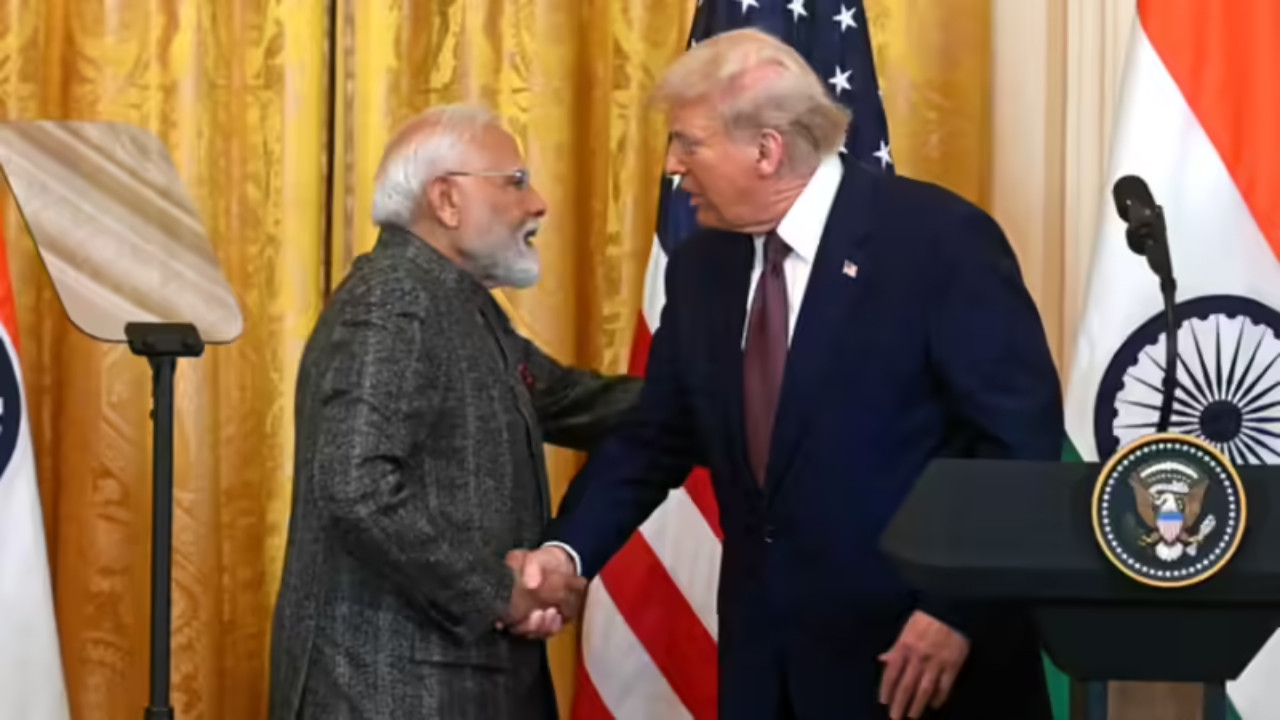
Commerce and Industry Minister Piyush Goyal indicated that a trade pact between India and the US is nearing completion, emphasizing the need for a fair, equitable, and balanced agreement. He assured that India will continue to protect the interests of its farmers, fishermen, and small industries during ongoing negotiations.
A New Dawn for India-US Trade Relations? Optimism Builds for a Balanced Deal
The air crackles with anticipation. Could a comprehensive trade agreement between India and the United States finally be within reach? Commerce Minister Piyush Goyal’s recent statements suggest that progress is being made, with the promise of “good news soon” if both nations can agree on a pact that prioritizes fairness. But what does this really mean for Indian farmers, fishermen, and small industries, the very backbone of the nation’s economy?
For years, negotiations between the world’s two largest democracies have been a complex dance of give-and-take. While both sides acknowledge the immense potential of a stronger economic partnership, striking a balance that benefits all stakeholders has proven elusive. Goyal’s recent comments highlight a renewed commitment to ensuring that any final agreement genuinely supports India’s domestic interests, particularly those of its most vulnerable sectors.
Focus on Fair Trade: Protecting Indian Interests
The core of the current discussions seems to be rooted in the principle of “fairness.” This isn’t about protectionism, but rather about creating a level playing field where Indian businesses, especially small and medium-sized enterprises (SMEs), can compete effectively on the global stage. Goyal emphasized that the government is acutely aware of the need to protect the livelihoods of farmers and fishermen, whose incomes are often precarious and highly susceptible to global market fluctuations. A trade deal that inadvertently undermines these sectors would be a pyrrhic victory, offering broader economic benefits at the cost of social and economic disruption.


The specific details of the ongoing negotiations remain closely guarded, but it’s understood that issues such as agricultural market access, intellectual property rights, and tariffs on specific goods are central to the discussions. India is likely seeking greater access to the US market for its agricultural products, while also ensuring that its domestic industries are not unfairly disadvantaged by cheaper imports.
Why a Stronger India-US Trade Relationship Matters
The potential benefits of a robust India-US trade relationship are undeniable. Increased trade flows can boost economic growth, create jobs, and foster innovation in both countries. The United States is already one of India’s largest trading partners, but there’s significant room for expansion, particularly in sectors like technology, manufacturing, and renewable energy. A comprehensive trade agreement could unlock new opportunities for businesses on both sides of the Pacific, driving investment and creating a more dynamic and competitive global economy.
Beyond the purely economic benefits, a strengthened trade relationship can also serve as a cornerstone of the broader strategic partnership between India and the United States. In an increasingly complex and uncertain world, closer economic ties can foster greater understanding, cooperation, and shared interests, contributing to regional stability and global security. You can read more about the broader implications of global trade on our website.

Navigating the Challenges Ahead: A Path to Mutual Benefit
While optimism is growing, significant challenges remain. Reaching a consensus on sensitive issues like agricultural subsidies and intellectual property rights will require skillful negotiation and a willingness to compromise on both sides. It’s crucial that both governments prioritize transparency and engage in open dialogue with stakeholders, including farmers, businesses, and civil society organizations.
Ultimately, the success of any trade agreement hinges on its ability to deliver tangible benefits to all stakeholders. A fair and balanced deal that protects Indian interests while also fostering greater economic cooperation with the United States could be a game-changer for both nations, paving the way for a new era of prosperity and partnership. The emphasis on a balanced agreement underscores the importance of careful consideration to avoid repeating past pitfalls.
Conclusion: The Future of India-US Trade
The prospect of a finalized India-US trade deal hangs in the balance, brimming with potential yet requiring delicate navigation. Minister Goyal’s words hint at a turning point, where a commitment to fairness could unlock significant economic opportunities. The coming months will be crucial to see if this optimism translates into a tangible agreement that benefits not only large corporations, but also the farmers, fishermen, and small industries that form the foundation of India’s economic landscape. A meticulously crafted deal could usher in a new era of prosperity and strengthened ties between these two global powerhouses.