China’s dominance in rare earth metals poses challenges for India, which seeks to establish a domestic production chain. Despite holding 6% of global deposits, India’s output remains low due to technical and economic hurdles. Government initiatives and international collaborations aim to reduce reliance on China, but significant investment and technological advancements are crucial for success.
India’s Quest to Break China’s Grip on Rare Earth Magnets
For years, China has held a near-monopoly on the production of rare earth magnets, crucial components in everything from electric vehicles and wind turbines to smartphones and defense systems. Now, India is embarking on an ambitious journey to challenge this dominance and secure its own supply chain. But can India truly become a significant player in the rare earth magnet market, and what hurdles lie ahead?
The global reliance on China for these materials has become a strategic vulnerability, exposed by geopolitical tensions and supply chain disruptions. Recognizing this risk, India is making a concerted effort to develop its domestic rare earth industry. The goal? To ensure a reliable supply of these critical materials for its growing manufacturing sector and national security.
Why Rare Earth Magnets Matter So Much
Rare earth elements (REEs) aren’t actually that rare geologically, but they are dispersed and challenging to extract and process economically. This makes the entire supply chain complex and capital-intensive. Among the REEs, neodymium, praseodymium, dysprosium, and terbium are particularly important for creating high-performance permanent magnets. These magnets are essential for the efficient operation of many modern technologies.
Imagine a world without electric vehicles offering impressive range, or wind turbines capable of generating substantial power. These advancements rely heavily on the superior magnetic properties of rare earth magnets. Even the tiny motors in your smartphone and the guidance systems in sophisticated weaponry depend on them. The strategic importance of these magnets cannot be overstated.
India’s Ambitious Plan: A Multi-Pronged Approach
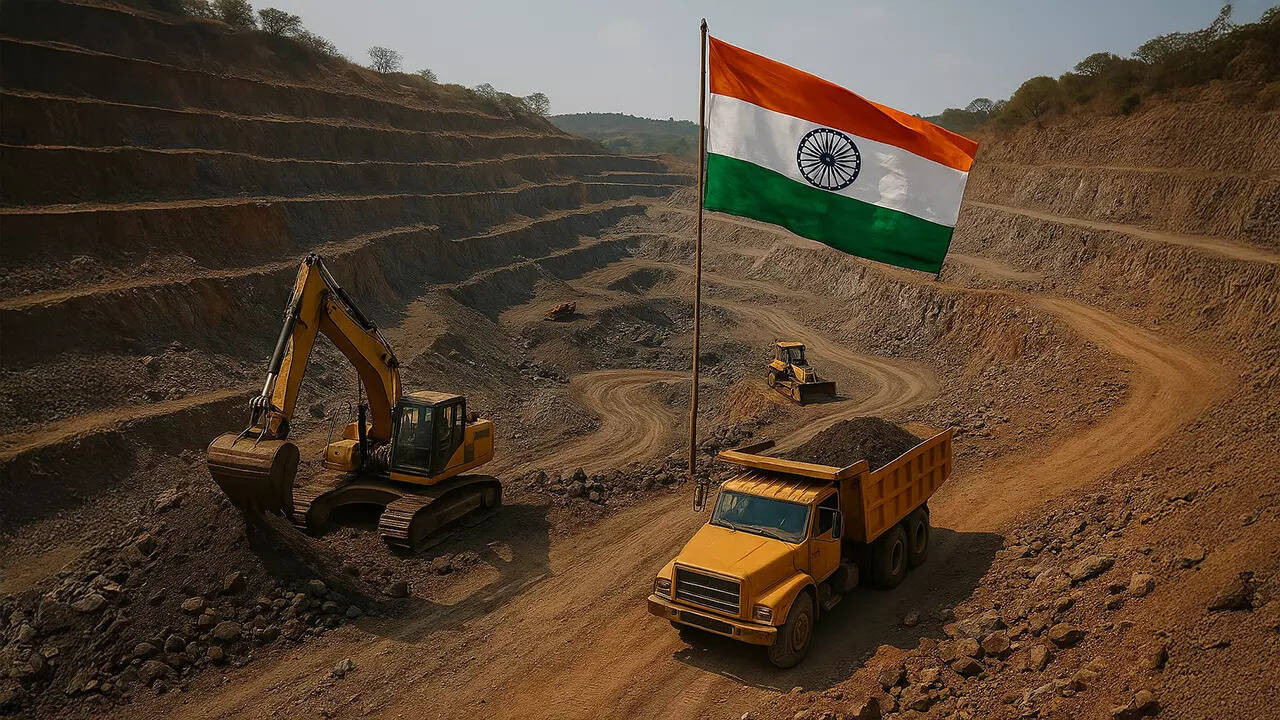
India’s strategy to challenge China’s dominance involves several key elements. The first step is to aggressively explore and develop its domestic rare earth resources. While India possesses significant reserves, much of it remains untapped. Government initiatives are now focusing on encouraging exploration and attracting investment into mining projects.


The second crucial aspect is establishing a robust processing and refining infrastructure. Extracting the rare earth elements from ore is only the beginning. These elements must then be separated, refined, and alloyed to create the specific materials needed for magnet production. This requires advanced technology and significant investment, areas where India is actively seeking partnerships and technology transfer.
Finally, India aims to develop its own magnet manufacturing capabilities. This involves attracting magnet manufacturers to set up operations in India, creating a domestic ecosystem that can compete with established players. The government is offering incentives and support to encourage both domestic and foreign investment in this sector.
Significant Roadblocks on the Path to Rare Earth Independence
Despite the ambitious plans, India faces considerable challenges in its quest to become a major player in the rare earth magnet market.
One of the most significant hurdles is the technological gap. China has invested heavily in its rare earth industry over the past few decades, developing advanced processing techniques and building a highly efficient supply chain. India needs to catch up quickly, adopting and adapting these technologies to its own resources and conditions.
Another challenge is environmental concerns. Rare earth mining and processing can have significant environmental impacts, including water pollution and radioactive waste generation. India needs to ensure that its rare earth industry operates sustainably, adhering to stringent environmental standards. This requires careful planning, responsible mining practices, and investments in pollution control technologies.

Furthermore, the rare earth market is highly competitive. China’s established dominance, coupled with the presence of other players like Japan and the United States, means that India will need to be innovative and cost-competitive to succeed. Building strategic alliances and focusing on niche markets could be crucial for gaining a foothold in the industry.
A Marathon, Not a Sprint
Breaking China’s monopoly on rare earth magnets is not an overnight endeavor. It’s a long-term strategic goal that requires sustained commitment, investment, and innovation. India’s path to independence will depend on its ability to overcome technological challenges, address environmental concerns, and navigate the complexities of the global market.
While the journey will be demanding, the potential rewards are substantial. A secure and reliable supply of rare earth magnets would not only boost India’s manufacturing sector and national security but also contribute to a more diversified and resilient global supply chain. This is a goal worth pursuing, and India’s efforts in this space will be closely watched by countries around the world. This effort will impact global manufacturing and supply chain resilience for decades to come.