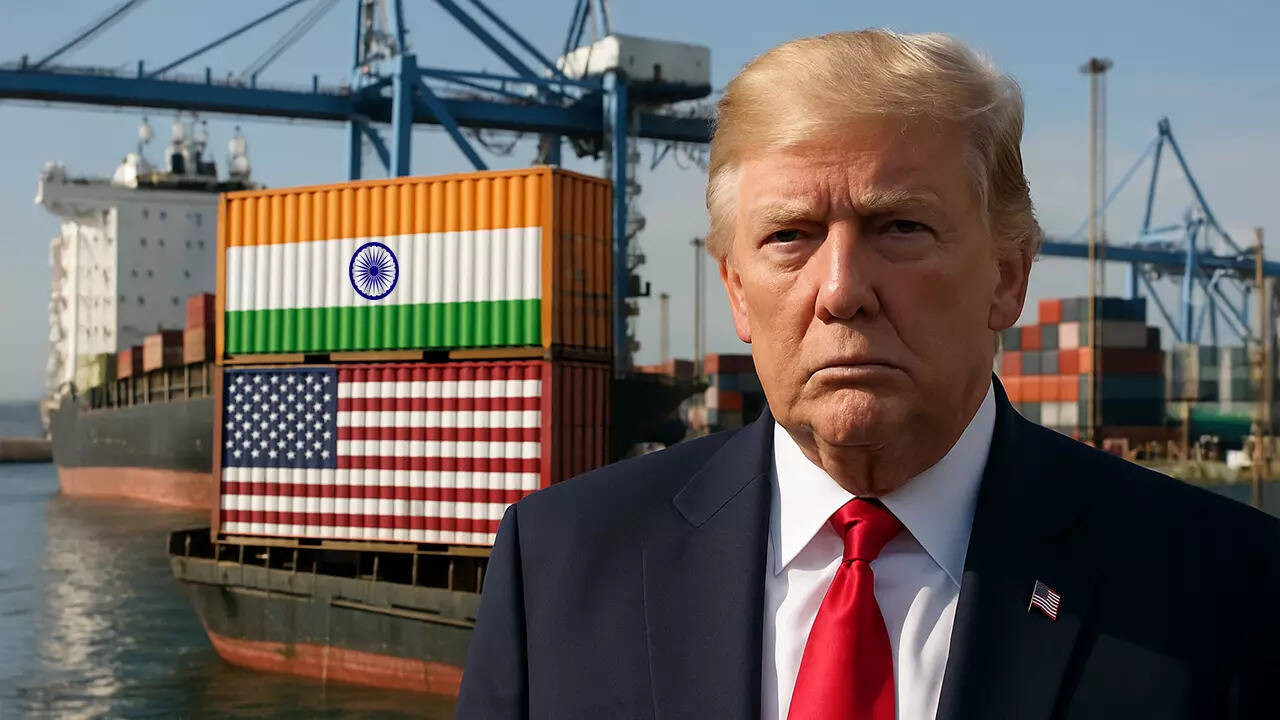
India’s merchandise exports showed steady growth, reaching $220 billion in H1 FY26 despite global volatility. While the US remains a key market, its share has decreased, with India diversifying its export destinations. The government is providing significant assistance to exporters facing challenges like US tariffs.
India’s Export Resilience: Navigating Trade Winds and Charting New Courses
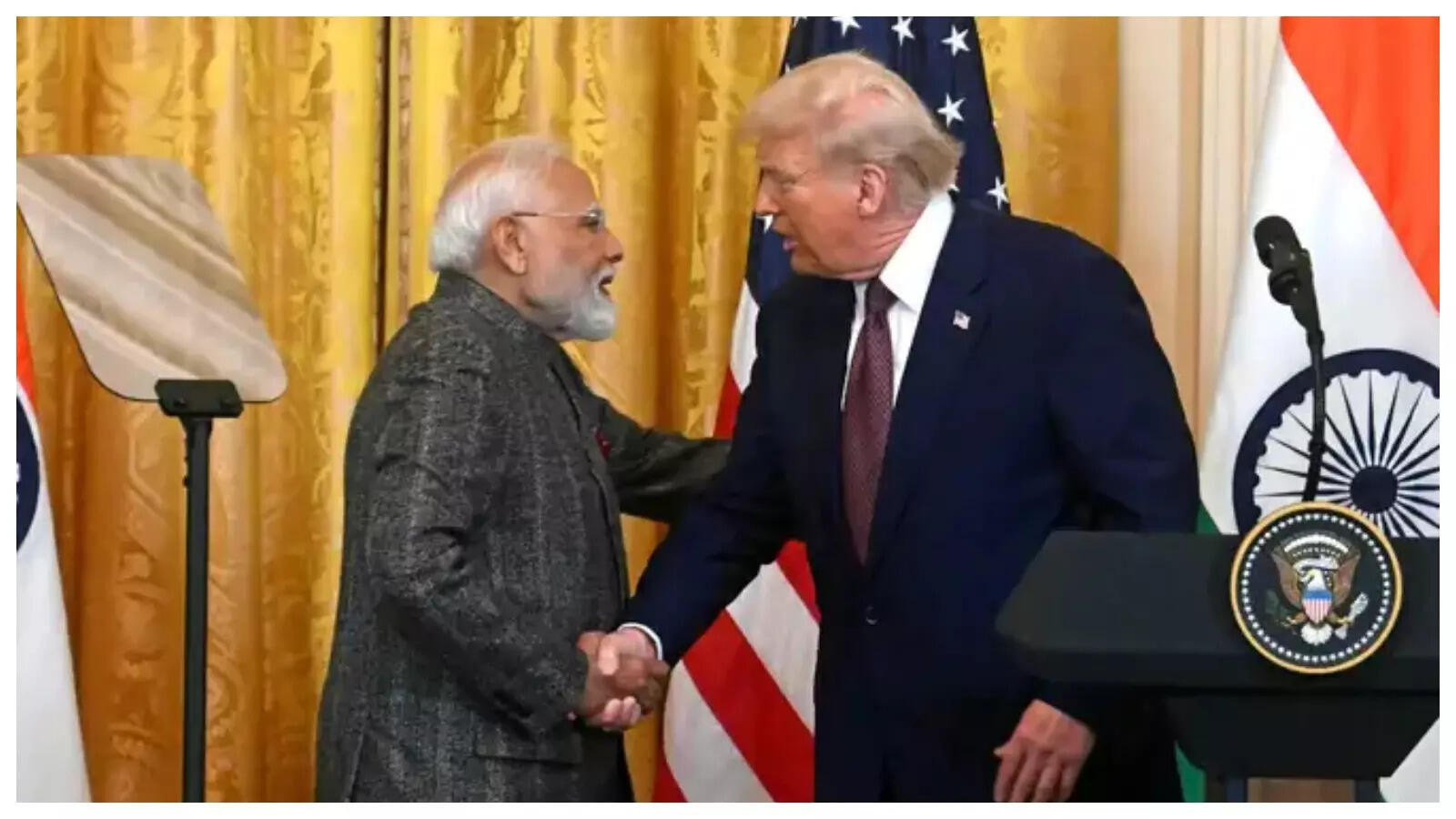
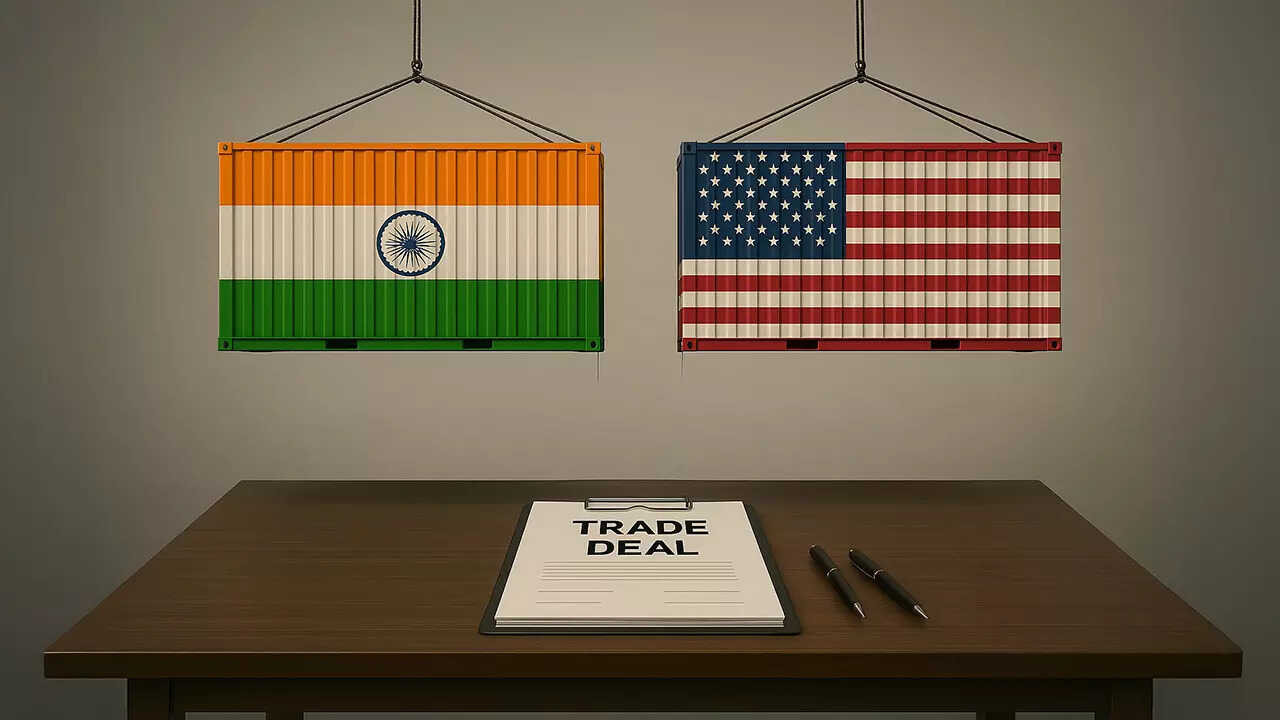
Global trade feels like navigating a ship through unpredictable seas these days. Tariff storms brew on the horizon, and economic currents shift without warning. The recent turbulence surrounding US trade policies, particularly the tariffs enacted during the Trump administration, sent ripples through international markets. For India, a nation heavily reliant on exports, the question wasn’t whether these changes would have an impact, but how significant, and what could be done to weather the storm.
Initial anxieties painted a grim picture. Would Indian goods become less competitive in the vital US market? Would key sectors face a debilitating slowdown? The reality, however, has revealed a more nuanced and encouraging narrative: India’s export sector, far from being crippled, has displayed remarkable resilience and adaptability. It’s not been plain sailing, but the Indian export engine hasn’t stalled.
The US Slowdown and the Search for New Horizons
The anticipated slowdown in exports to the US did indeed materialize in certain sectors. Industries like engineering goods and textiles felt the pinch as tariffs made their products pricier compared to domestic alternatives. This spurred a necessary, and ultimately beneficial, reevaluation of India’s export strategy. Simply put, relying too heavily on a single market carries inherent risks.
Instead of succumbing to the pressure, Indian exporters began actively diversifying their destinations. Emerging markets in Africa, Latin America, and Southeast Asia became priority targets. Increased focus on the Regional Comprehensive Economic Partnership (RCEP) member countries, despite India’s withdrawal from the trade agreement itself, also yielded positive results. The key was to spread the risk and tap into regions with burgeoning demand and less stringent trade barriers.

Product Diversification: A Key to Continued Growth
Beyond geographical diversification, Indian businesses also looked inward, examining opportunities to broaden their export basket. Instead of solely focusing on traditional strengths, there was a concerted effort to promote non-traditional goods and services. Sectors like pharmaceuticals, electronics, and processed foods witnessed increased export activity. This strategic shift not only reduced vulnerability to fluctuations in specific markets but also propelled innovation and competitiveness within the Indian economy.
Furthermore, the Indian government played a crucial role by providing incentives and support to exporters looking to explore new product categories. Export promotion councils and trade missions were instrumental in connecting Indian businesses with potential buyers overseas, showcasing the diverse range of products and services that India has to offer.
Policy Support: Navigating the Regulatory Seas
The government’s proactive approach extended beyond promotional activities. Recognizing the challenges posed by global trade uncertainty, policies were implemented to streamline export procedures, reduce transaction costs, and improve infrastructure. Measures like simplifying GST refund processes and investing in port modernization helped to enhance the overall efficiency of the export ecosystem.

These policy interventions, coupled with the inherent entrepreneurial spirit of Indian businesses, created a conducive environment for exports to thrive, even in the face of external headwinds. Digitalization efforts also played a pivotal role, enabling exporters to connect with global markets more easily and efficiently.
The Road Ahead: Sustaining Momentum
While India’s export sector has demonstrated impressive resilience, the journey is far from over. The global trade landscape remains volatile, with new challenges constantly emerging. Continued diversification, both geographically and in terms of product offerings, is crucial. Investments in research and development, skills development, and infrastructure are essential to maintain competitiveness and capture new opportunities.
India must continue to leverage its strengths – a skilled workforce, a vibrant entrepreneurial culture, and a strategic geographic location – to cement its position as a major player in the global trade arena. It’s not just about surviving the storms, but about setting a course for sustained growth and prosperity. By embracing innovation, fostering collaboration, and proactively addressing emerging challenges, India can ensure that its export sector continues to be a driving force for economic development. The focus on India’s export growth, and continuing to adapt, will be key to future success.