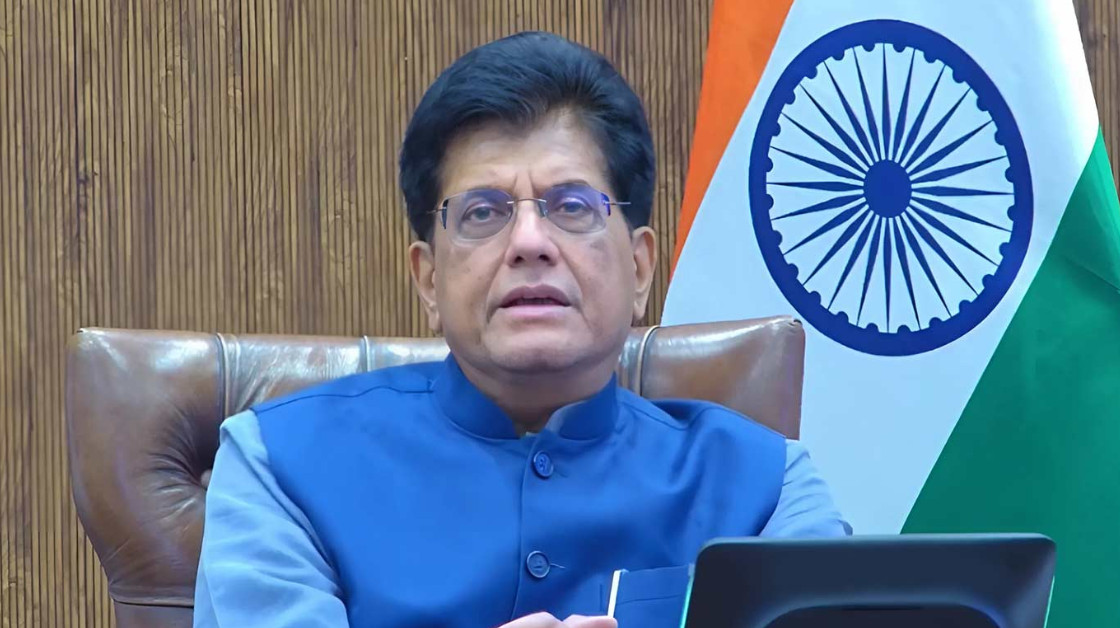
India is actively expanding its free trade agreement network, with ongoing discussions underway with the US, EU, New Zealand, Oman, Peru, and Chile. Commerce Minister Piyush Goyal highlighted these efforts and the potential for infrastructure collaboration, emphasizing the reduction of global trade barriers to facilitate the free movement of goods, services, and capital.
India’s Trade Winds: A Whirlwind of New Deals on the Horizon
India’s playing a high-stakes game of global chess, and the pieces are trade agreements. Commerce Minister Piyush Goyal recently painted a picture of frenetic activity on the trade front, suggesting a flurry of new deals could soon reshape India’s economic landscape. Forget slow and steady; India’s approach is more like a trade negotiation tango – fast-paced, complex, and with multiple partners vying for a lead.
The nation already boasts impressive Free Trade Agreements (FTAs) with powerhouses like the UAE and Australia. But that’s just the opening act. Goyal confirmed ongoing negotiations with major players including the EU, the US (a limited trade deal, at least initially), Oman, and New Zealand. This isn’t just about tinkering around the edges; it’s a fundamental recalibration of India’s economic partnerships.
Why This Sudden Surge in Free Trade Agreements?
Several factors are driving this surge. First, India is hungry for growth. FTAs offer access to larger markets, lower tariffs, and increased investment, all crucial ingredients for fueling India’s ambitious economic goals. Second, there’s a growing recognition of the need to diversify trade relationships. Dependence on a single market can be risky, as recent global events have demonstrated. Expanding the network of trade partners provides a buffer against geopolitical shocks and ensures a more resilient economy.

Finally, India’s growing economic clout makes it an attractive partner. Nations see the potential of tapping into India’s vast consumer market and its increasingly sophisticated manufacturing base. It’s a win-win situation, where both India and its trade partners stand to gain.
The EU Deal: A Particularly Tasty Prospect
The potential FTA with the European Union is arguably the most significant on the horizon. The EU represents a massive market with high purchasing power, offering immense opportunities for Indian exporters. Imagine Indian textiles, pharmaceuticals, and engineering goods flooding the European market – a boon for domestic industries. However, negotiating with the EU is never a walk in the park. Issues like labor standards, environmental regulations, and intellectual property rights are likely to be sticking points.
A US Deal? Maybe, But Don’t Hold Your Breath
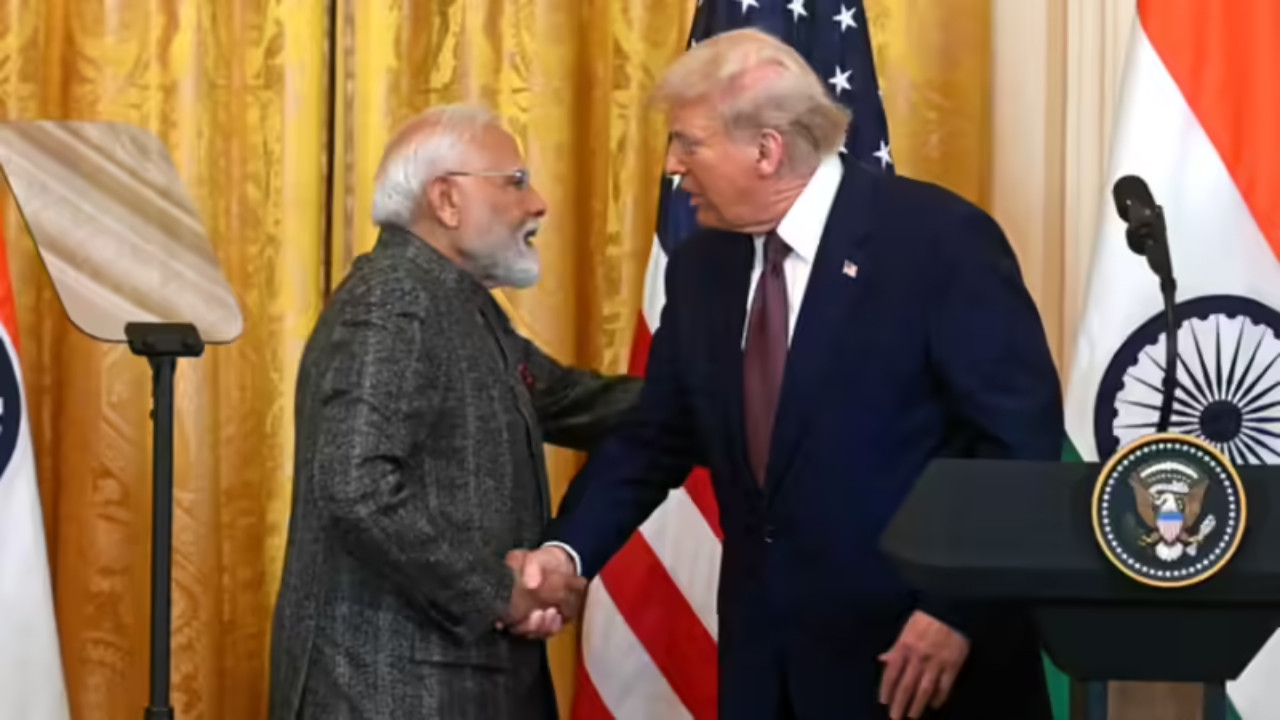
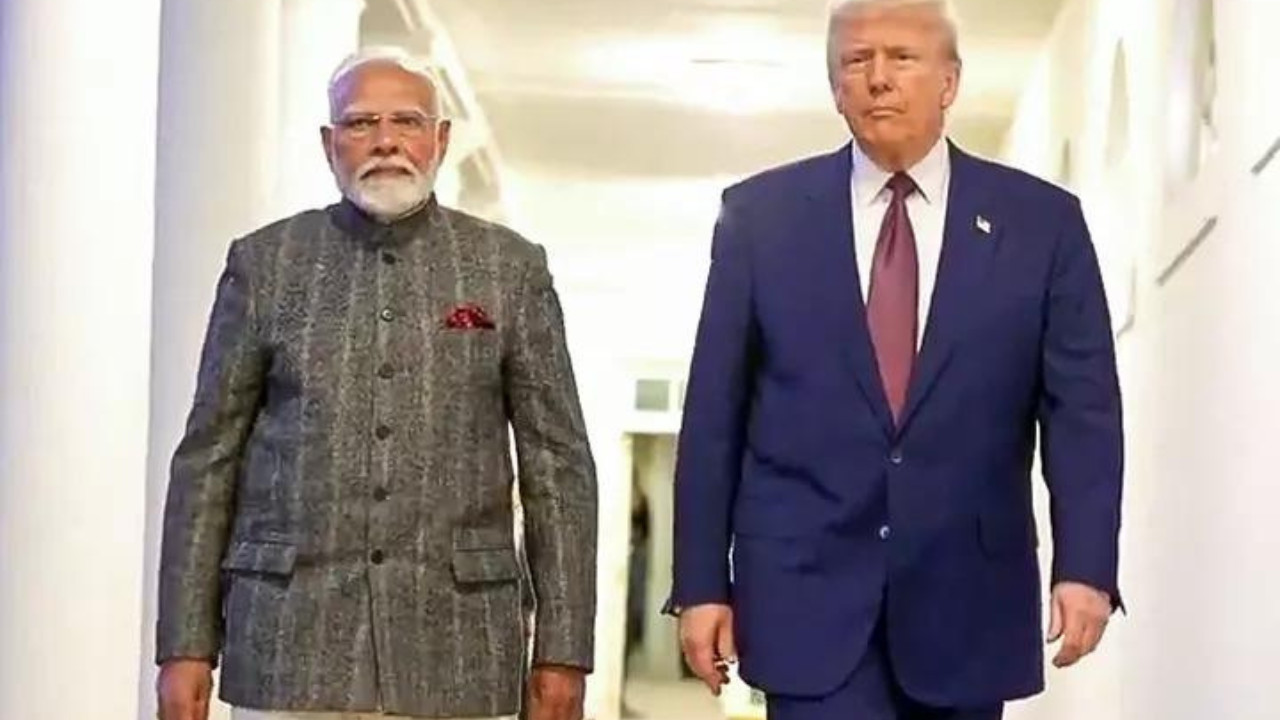
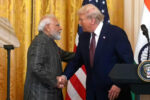
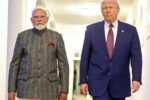
While a comprehensive FTA with the US remains a long-term aspiration, the current focus is on a more limited trade deal. This could involve easing trade barriers in specific sectors, such as agriculture and technology. The US, with its advanced technology and innovation ecosystem, is a key partner for India. Any deal, even a limited one, would be a positive step towards strengthening economic ties between the two countries.
Oman and New Zealand: Rounding Out the Picture
Negotiations with Oman and New Zealand are also progressing, adding further depth to India’s trade network. Oman, strategically located in the Middle East, can serve as a gateway to the region. New Zealand, with its strong agricultural sector, offers opportunities for collaboration in areas like dairy and food processing. These agreements, while perhaps less high-profile than the EU or US deals, are nonetheless important pieces of the puzzle.
The Road Ahead: Challenges and Opportunities
Negotiating and implementing these FTAs will not be without its challenges. India needs to ensure that its domestic industries are competitive enough to take advantage of the new opportunities. There also needs to be investment in infrastructure and logistics to facilitate trade flows.
But the potential rewards are enormous. These free trade agreements could unlock new avenues for growth, create jobs, and enhance India’s position in the global economy. The government’s proactive approach to trade negotiations is a clear signal that India is serious about its economic ambitions. It’s a complex dance, but if executed well, it could lead to a significantly brighter economic future. For more on India’s role in the global economy, see our analysis on [India’s growing manufacturing sector](internal-link-to-related-article).
India’s ambitious FTA agenda underscores its commitment to becoming a major player in global trade. While the path forward may be complex, the potential benefits are undeniable, positioning India for sustained economic growth and influence on the world stage.