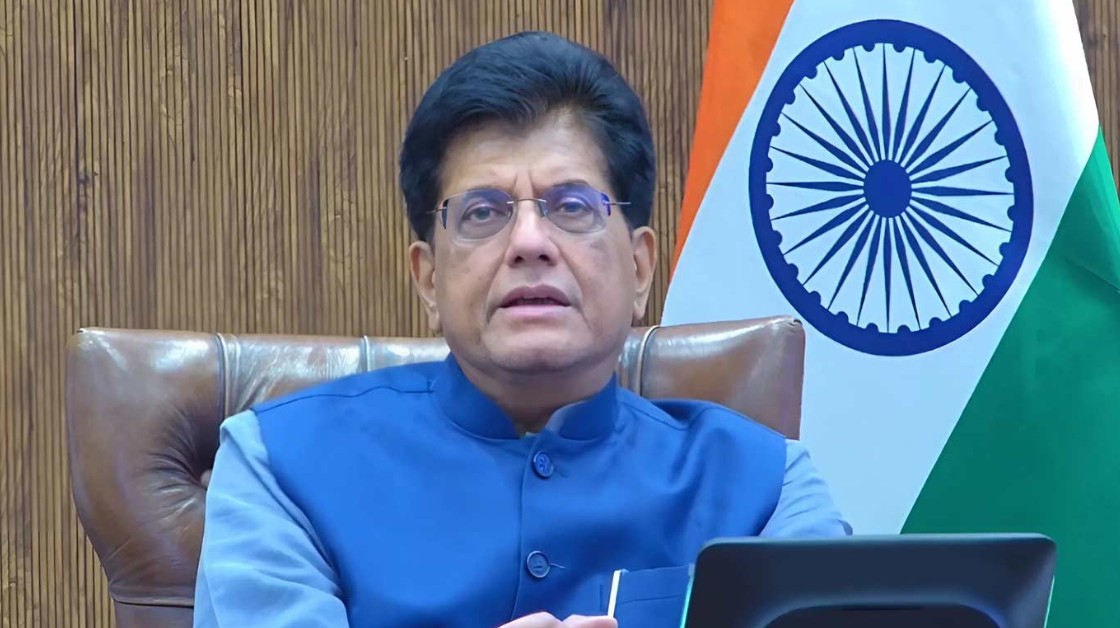
India is actively expanding its free trade agreement network, with ongoing discussions underway with the US, EU, New Zealand, Oman, Peru, and Chile. Commerce Minister Piyush Goyal highlighted these efforts and the potential for infrastructure collaboration, emphasizing the reduction of global trade barriers to facilitate the free movement of goods, services, and capital.
India’s Trade Ambitions: Weaving a Global Web
India’s bustling economy isn’t just making waves domestically; it’s actively shaping the global trade landscape. Think of it as India strategically placing its chess pieces on the world stage, negotiating deals that promise to boost exports, attract investment, and solidify its position as a major player. Rather than isolating itself, India is aggressively pursuing Free Trade Agreements (FTAs) with key partners across the globe.
The sheer scale of India’s ambition is breathtaking. Negotiations are already underway with the European Union, the United States, Oman, and New Zealand, a testament to India’s multifaceted approach to international trade. And the interest doesn’t stop there; numerous other countries are reportedly eager to kickstart similar discussions. It’s a clear sign that the world recognizes the potential that closer economic ties with India hold.
Diving Deep: India’s Ongoing Trade Negotiations
Let’s break down some of the crucial FTA negotiations happening right now. The talks with the European Union are particularly significant. A comprehensive trade agreement with the EU, a massive economic bloc, could unlock tremendous opportunities for Indian businesses, especially in sectors like pharmaceuticals, textiles, and engineering goods. Imagine streamlined access to European markets, reduced tariffs, and harmonized standards – a game-changer for Indian exporters.
The United States is another key partner in India’s FTA strategy. While a full-fledged FTA with the US might be a complex undertaking, both nations are exploring ways to deepen their economic cooperation through targeted agreements. Sectors like technology, healthcare, and renewable energy are ripe for collaboration. Enhanced trade relations with the US could spur innovation, create jobs, and strengthen the overall economic partnership between the two countries.
Oman and New Zealand represent different, but equally important, strategic considerations. An FTA with Oman would further solidify India’s presence in the Middle East, a vital region for energy security and trade. Meanwhile, a deal with New Zealand could open doors to new markets in the Asia-Pacific region, offering opportunities for Indian agriculture and other sectors.

Beyond the Headlines: Why India is Focused on Free Trade Agreements
But why this intense focus on FTAs? The answer lies in India’s long-term economic goals. These agreements aren’t just about increasing exports; they’re about fostering a more competitive domestic market, attracting foreign investment, and integrating India more deeply into global value chains. India clearly understands the importance of free trade agreements to boost its manufacturing and technological capabilities.
By reducing tariffs and other trade barriers, FTAs can make Indian products more competitive in international markets. This, in turn, can lead to increased exports, job creation, and economic growth. Moreover, FTAs often include provisions that promote investment, intellectual property protection, and regulatory cooperation, all of which can contribute to a more favorable business environment.

Challenges and Opportunities
Of course, navigating the complexities of international trade negotiations is never easy. There are often competing interests, sensitive issues, and political considerations to overcome. Each country has its own priorities and concerns, and finding common ground can be a delicate balancing act.
For instance, in the EU negotiations, issues such as data privacy, labor standards, and environmental regulations are likely to be on the table. Similarly, talks with the US could involve discussions on market access for agricultural products and intellectual property rights. These are complex issues that require careful negotiation and compromise.
However, the potential rewards of successful FTAs are substantial. They can create new opportunities for businesses, consumers, and workers in all participating countries. By fostering closer economic ties, FTAs can also promote greater understanding and cooperation between nations.

Don’t miss our related article on [India’s evolving manufacturing sector](internal-link-to-related-content).
Looking Ahead: India’s Place in the Global Trade Order
India’s proactive pursuit of FTAs reflects its growing confidence and ambition on the world stage. It’s a clear signal that India is ready to play a leading role in shaping the future of global trade. As negotiations progress and new agreements are forged, we can expect to see India’s economic influence continue to expand. The focus on free trade agreements is undoubtedly shaping the future trajectory of the nation.
The coming years will be crucial as India works to finalize these agreements and capitalize on the opportunities they present. While challenges undoubtedly lie ahead, the potential benefits for India and its trading partners are immense. This is not just about economics; it’s about building stronger relationships and fostering a more interconnected and prosperous world.