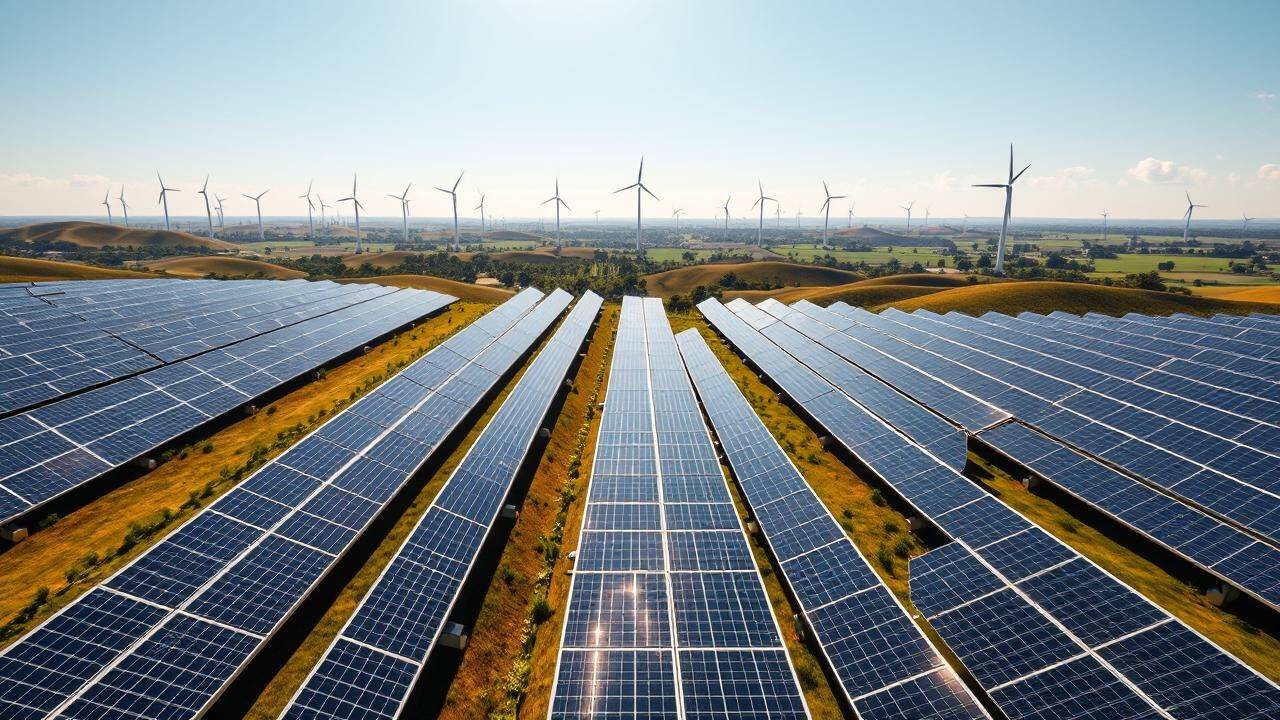
India is leading South and Southeast Asia in renewable energy progress, outpacing coal according to S&P Global Ratings. Strong policy, technology adoption, and private investment are driving its green energy transition, with significant capacity additions ahead of regional peers. The report highlights India’s low-cost renewables and mature bidding framework as key advantages.
India’s Quiet Green Revolution: Leading the Charge in Asia
For too long, conversations about climate change have painted a picture of doom and gloom, particularly when discussing developing nations. But a closer look at India reveals a different narrative – one of proactive change, driven by a potent mix of policy and private investment. Forget the image of a passive bystander; India is quickly establishing itself as a frontrunner in the green transition within South and Southeast Asia.
This isn’t just wishful thinking. A recent report from S&P Global highlights India’s commanding position, noting that the nation is significantly outpacing its regional neighbors in embracing sustainable practices. But what’s fueling this shift? And what does it mean for the future of the region – and the planet?
Policy as a Catalyst for Green Transition
One of the most significant drivers is undoubtedly the Indian government’s unwavering commitment to green policies. This isn’t a sudden trend; it’s a carefully constructed strategy that’s been building momentum for years. Initiatives promoting renewable energy, energy efficiency, and sustainable infrastructure are creating a fertile ground for green innovation and investment.
Think about the ambitious targets set for renewable energy capacity. These aren’t just numbers on a page; they represent a tangible commitment to shifting away from fossil fuels. And this commitment isn’t just at the national level. State governments are also actively participating, implementing their own green initiatives and fostering a competitive environment for sustainable development.

Private Funding: The Engine of Change
Government policy, however strong, can only take you so far. The real magic happens when it’s coupled with substantial private investment. And that’s precisely what’s happening in India. A growing number of domestic and international investors are recognizing the immense potential of India’s green sector.
From renewable energy projects like solar farms and wind turbines to electric vehicle manufacturing and green hydrogen production, private capital is flowing into a diverse range of sustainable ventures. This influx of funds is not just accelerating the pace of the green transition; it’s also creating jobs, driving innovation, and fostering a new generation of green entrepreneurs.

The Ripple Effect Across South and Southeast Asia
India’s progress is more than just a domestic success story. It has the potential to inspire and influence other nations in South and Southeast Asia. As India demonstrates the economic viability and social benefits of a green transition, it sets a powerful example for its neighbors.
The transfer of knowledge, technology, and best practices from India to other countries in the region can significantly accelerate their own journeys towards sustainability. Collaborative efforts, such as joint research projects and regional partnerships, can further amplify the impact and create a more sustainable future for the entire region. India’s commitment to the International Solar Alliance, for example, is a great example of leading by example and providing resources and collaboration opportunities to other nations.

Challenges Remain, but the Momentum is Unstoppable
Of course, the path towards a fully sustainable future is not without its challenges. Issues such as financing large-scale green projects, ensuring equitable access to clean energy, and addressing the social impacts of the transition need careful consideration. Also, the transition to a greener economy involves retraining workforces for new industries, particularly in areas previously dependent on fossil fuels. Managing this transition fairly and effectively is crucial for long-term success.
See this related post about [India’s evolving energy mix](/india-energy-future).
However, the momentum is undeniable. India’s proactive policies, coupled with strong private investment, are driving a significant shift towards a greener economy. And this shift is not only transforming India; it’s also positioning the nation as a leader in the global fight against climate change. India’s leadership shows that embracing sustainability isn’t just an environmental imperative; it’s an economic opportunity and a pathway to a more prosperous and equitable future. India’s green transition could become a model for other developing nations worldwide.
India’s rapid progress highlights the potent combination of government vision and private sector innovation needed for meaningful environmental progress. With continued commitment and strategic investment, India is poised to cement its role as a leader in the global green revolution.