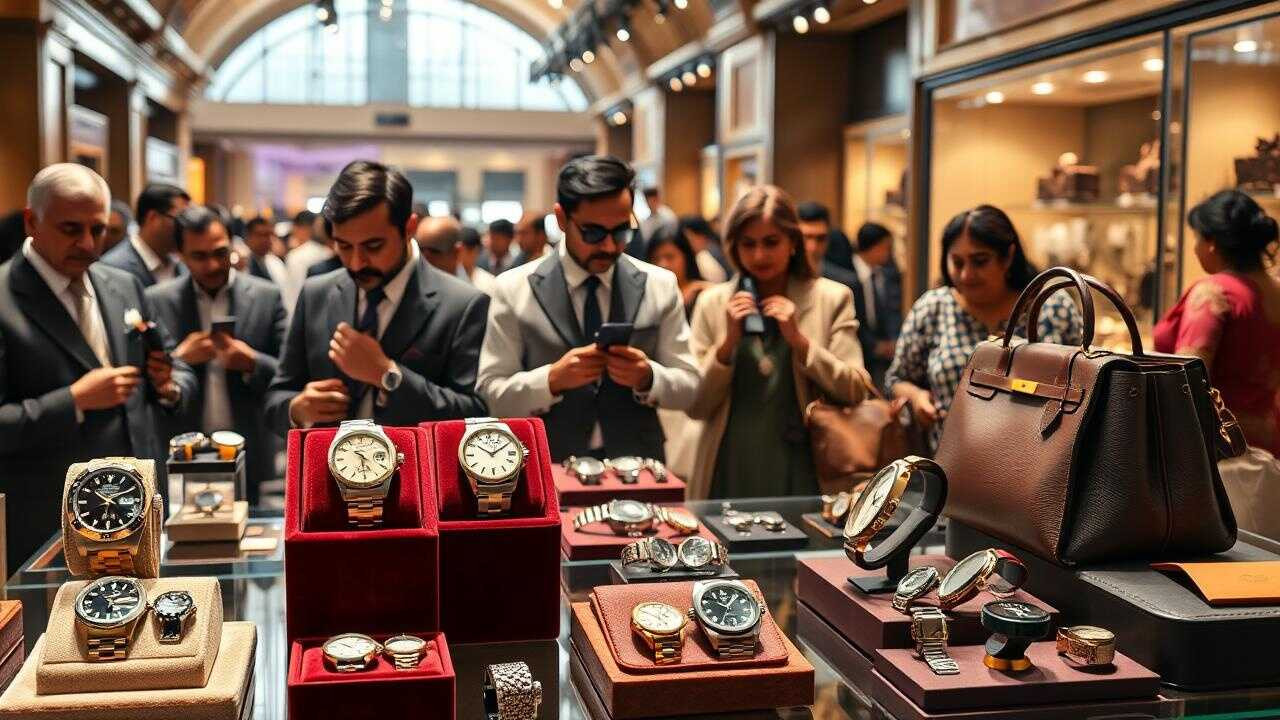
India’s pre-owned luxury market is experiencing unprecedented growth, with sales of watches and bags surging across online and offline platforms. Retailers report quadrupled sales and significant demand from tier-II and tier-III cities, driven by high aspirations. This boom is seen as a revolution, prompting expansion plans for certified luxury goods.
The Quiet Revolution: How Pre-Owned Luxury is Redefining Indian Glamour
Forget what you think you know about luxury in India. The scene isn’t just about gleaming showrooms and brand-new price tags anymore. Something fascinating is unfolding, a shift in perspective that’s giving “pre-owned” a whole new level of chic. Instead of being relegated to the realm of thrifting, the pre-owned luxury goods market is exploding, rewriting the rules of access and sustainability.
It’s no secret India’s appetite for luxury is growing. But what’s truly remarkable is how that appetite is being satisfied. A rising tide of savvy consumers, armed with a newfound appreciation for value and a growing environmental consciousness, are diving headfirst into the world of pre-owned luxury. This isn’t just a trend; it’s a fundamental change in how luxury is perceived and consumed.
What’s driving this phenomenon? Several factors are at play. For starters, accessibility is key. Let’s face it, some luxury brands are notoriously exclusive. Acquiring certain items, especially coveted handbags or limited-edition watches, can feel like scaling Mount Everest. The pre-owned market democratizes access, allowing a wider audience to own pieces they might not otherwise be able to obtain.
Then there’s the undeniable allure of value. Luxury goods, particularly those from top-tier brands, often hold their value remarkably well. Buying pre-owned allows consumers to acquire these items at a significant discount, making luxury more attainable and justifiable, especially when considering it as an investment. You’re not just buying a handbag; you’re acquiring an asset.

But beyond mere practicality, there’s a deeper shift happening. The pre-owned market is tapping into a growing awareness of sustainability. Consumers are becoming increasingly conscious of the environmental impact of their purchases. Buying pre-owned extends the lifespan of existing products, reducing waste and lessening the demand for new production, aligning luxury consumption with more responsible practices. Owning a piece with a history, a story already etched into its leather or its gears, adds another layer of intrigue and value, separating it from mass-produced items.
Handbags and watches are leading the charge in this pre-owned luxury revolution. They represent tangible expressions of personal style and investment potential. Think about a classic Chanel bag, carefully preserved and passed down (or sold on!)—it holds a timeless appeal that transcends fleeting trends. Or consider a Rolex Submariner, a symbol of prestige and a reliable store of value. These are not just accessories; they’re statements, legacies, and now, increasingly, smart investments.

The growth trajectory isn’t showing any signs of slowing down. The market is becoming more organized, with established players and emerging platforms offering secure and transparent transactions. Authentication processes are becoming more sophisticated, instilling confidence in buyers and sellers. This increased trust is fueling further growth and attracting even more consumers to the pre-owned luxury space.
This surge in the pre-owned luxury market also reflects a broader shift in consumer behavior towards more mindful and informed purchasing decisions. People are doing their research, comparing prices, and seeking out quality and authenticity. They’re not just buying a brand; they’re buying into a story, a heritage, and a commitment to enduring style. Consider exploring the evolving trends in sustainable fashion to see how this intersects with the pre-owned luxury movement.
The rise of the pre-owned luxury market in India signals a significant turning point. It’s a testament to the evolving aspirations and values of Indian consumers, their growing sophistication, and their desire for a more sustainable and accessible approach to luxury. The pre-owned market isn’t just a trend; it’s a powerful force reshaping the future of luxury consumption. It’s a quiet revolution, redefining glamour and proving that sometimes, the most luxurious things are the ones that have already lived a life.