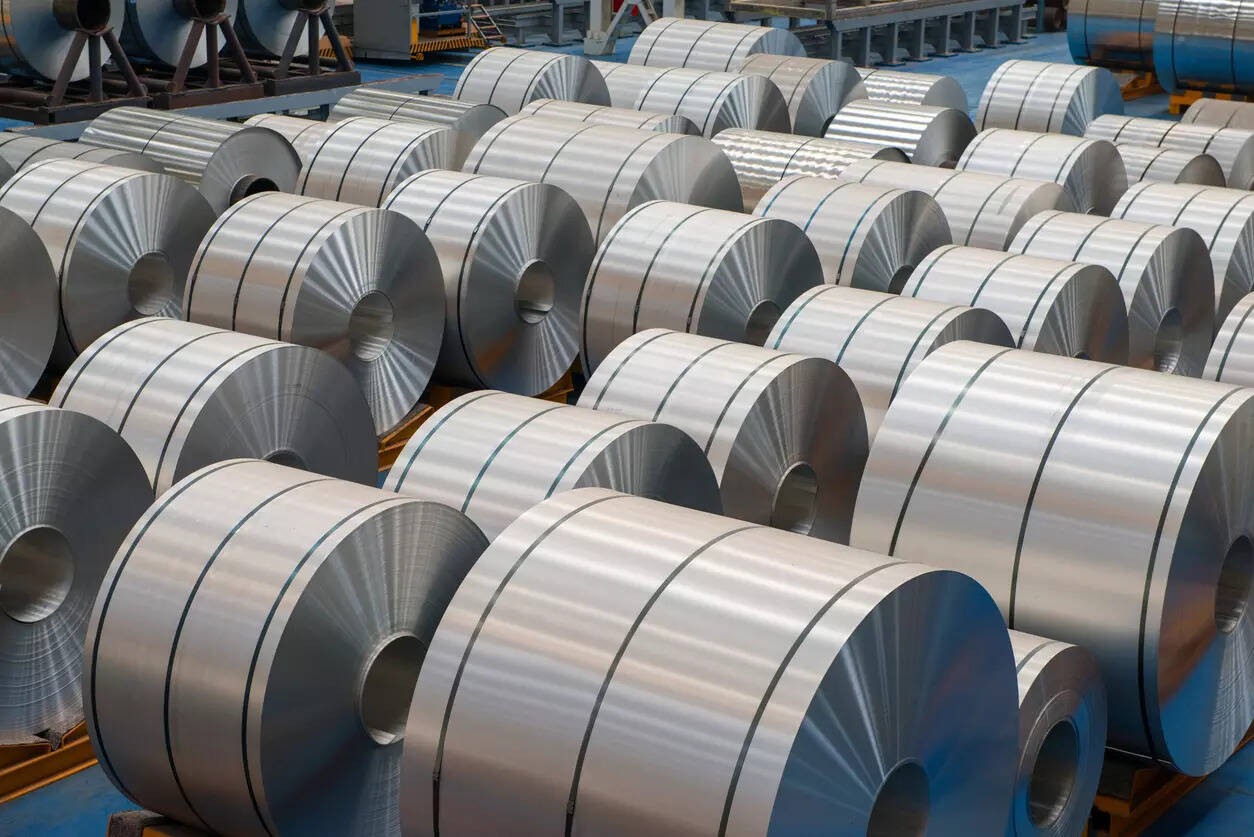
The Reserve Bank of India has urged policy measures to bolster domestic steel sector competitiveness, facing pressure from rising imports and global dumping in 2023-25. Low import prices have adversely impacted domestic production, with significant imports originating from South Korea, China, and the US. The central bank highlights the need for innovation and cost efficiency to counter these challenges.
The Steel Industry’s Crucible: Can India Forge a Stronger Future?
India’s steel sector, a crucial engine for economic growth, finds itself at a critical juncture. The Reserve Bank of India (RBI) recently flagged concerns about the pressures facing domestic steel producers, primarily due to the influx of inexpensive imports and alleged “dumping” practices. But what does this mean for the future of Indian steel, and what steps can be taken to ensure its continued strength?
The RBI’s analysis paints a picture of a sector grappling with significant challenges. While India has emerged as a major player in global steel production, becoming the second-largest producer worldwide, this growth is threatened by the easy availability of cheaper steel from other nations. This influx is not simply a matter of market competition. The RBI points to evidence suggesting that some countries are engaging in “dumping,” a practice where steel is exported at prices below its production cost, often with the intention of undercutting local industries.
This creates a difficult playing field for Indian manufacturers who have to contend with higher production costs. Maintaining quality, adhering to environmental regulations, and investing in technological advancements all contribute to these costs. The consequence is a squeeze on profit margins, potential job losses, and a hindrance to further investment and innovation within the domestic steel industry.
Safeguarding India’s Steel Industry: A Call to Action
The RBI’s concerns aren’t just a warning; they are a call to action. The central bank explicitly recommends the implementation of safeguard measures to protect the domestic steel industry from the adverse effects of these unfair trade practices. These measures could include:

* Anti-dumping duties: Levying tariffs on imported steel that is proven to be dumped, effectively raising its price to a more competitive level.
* Safeguard duties: Temporary tariffs imposed on specific steel products to provide breathing room for domestic producers to adjust to import surges.
* Stricter quality control: Ensuring that all imported steel meets the same quality standards as domestically produced steel, preventing the entry of substandard or potentially dangerous products.
The government has already taken some steps in this direction, but the RBI suggests that further action may be necessary to create a truly level playing field. Protecting the steel industry isn’t just about safeguarding the interests of steel producers; it’s about ensuring the health of the broader Indian economy. The steel sector plays a vital role in infrastructure development, manufacturing, and construction, making it a cornerstone of India’s economic ambitions.

Beyond Protectionism: Fostering Long-Term Competitiveness
While safeguard measures offer a crucial short-term defense, long-term success hinges on boosting the inherent competitiveness of the Indian steel industry. This requires a multi-pronged approach:
* Investing in Research and Development: Encouraging innovation in steel production processes to reduce costs, improve efficiency, and develop new, high-value steel products.
* Improving Infrastructure: Addressing logistical bottlenecks and infrastructure gaps that add to the cost of transporting raw materials and finished steel products.
* Promoting Skill Development: Investing in training programs to create a skilled workforce capable of operating and maintaining advanced steel production technologies.
* Streamlining Regulatory Processes: Reducing bureaucratic hurdles and simplifying regulatory processes to facilitate investment and expansion in the steel sector.

These measures will allow Indian steel producers to not only compete with imports but also to become global leaders in terms of quality, innovation, and sustainability. This approach aligns with Make in India initiative, fostering a self-reliant and globally competitive manufacturing sector. You can read more about boosting manufacturing in India on this page.
Forging a Resilient Future for India’s Steel
The challenges facing India’s steel industry are real, but so are the opportunities. By implementing a combination of strategic safeguard measures and long-term competitiveness-enhancing reforms, India can ensure that its steel sector not only survives but thrives. This will require a collaborative effort between the government, industry players, and research institutions, all working together to forge a more resilient and prosperous future for Indian steel. Only by addressing these challenges head-on can India solidify its position as a global economic powerhouse, built on a foundation of strong domestic industries.