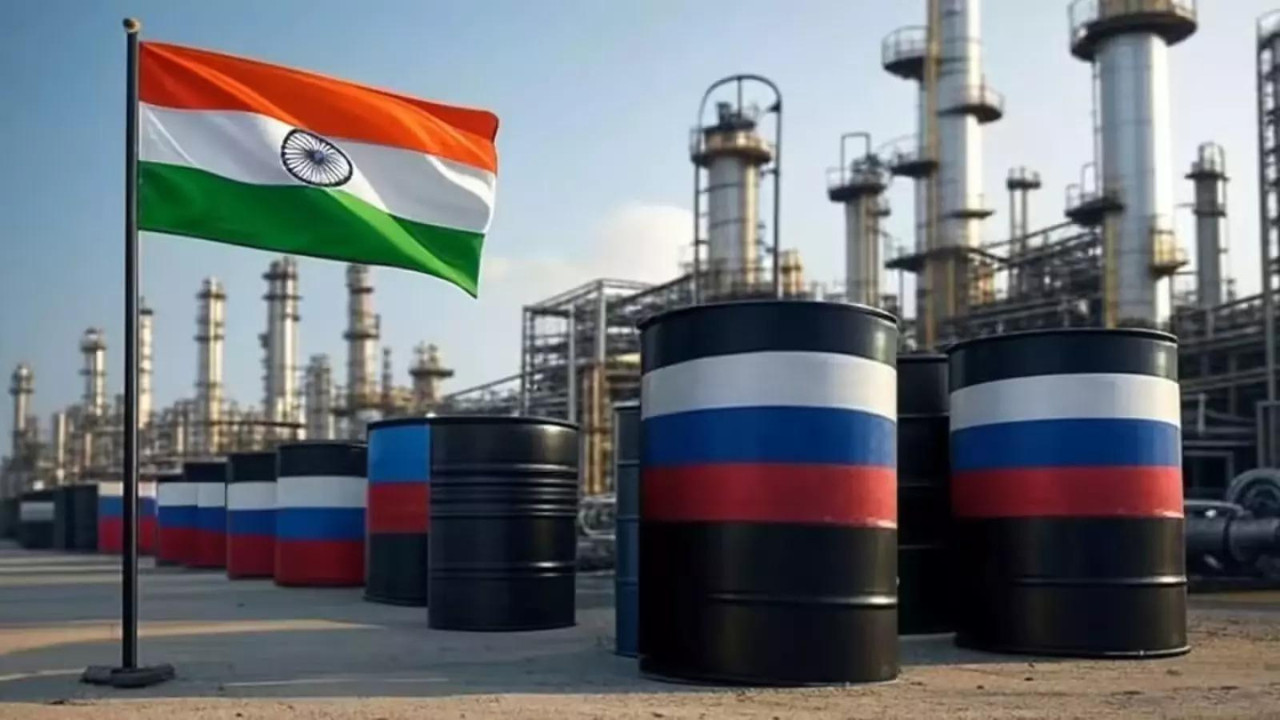
The Indian government has reduced the basic customs duty on crude edible oils to 10%, a move lauded by SEA and IVPA. This aims to support domestic refiners by discouraging refined palmolien imports. The decision widens the duty gap between crude and refined oils, potentially lowering domestic prices and benefiting consumers.
Crude Awakening: Will Lower Duties Actually Help Indian Refiners?
So, the government just tweaked the numbers again. This time, it’s the customs duty on crude oil getting a trim, and you can almost hear the collective sigh of relief from the refining sector. Industry bodies are already slapping on the ‘timely support’ label, and on the surface, it sounds like a positive move. But as always, digging a little deeper reveals a more nuanced picture.
Let’s be honest, refining isn’t exactly a walk in the park these days. Globally, geopolitical tensions are sending shockwaves through the energy market. Locally, India’s insatiable appetite for fuel keeps growing. Refiners are caught in the middle, balancing fluctuating input costs with the pressure to keep petrol pumps humming.
This cut in customs duty, while seemingly small in the grand scheme, is designed to ease some of that pressure. Think of it as a temporary bandage on a much larger wound, a little breathing room for companies grappling with tight margins. The idea is that lower import costs on crude will trickle down, making it a bit easier for refiners to churn out the petrol, diesel, and other petroleum products that keep our economy moving.
But here’s where things get interesting. Is this just a band-aid solution, or does it address a more fundamental problem? The industry argues that it’s a welcome reprieve, boosting their competitiveness and encouraging them to maintain stable fuel supplies. No one wants to face the prospect of fuel shortages, especially during peak demand seasons. So, on that front, the cut seems like a prudent move.

However, some observers point out that this temporary relief might obscure the need for more significant structural changes. India’s refining sector operates in a complex regulatory environment. There are pricing policies, infrastructure limitations, and the ever-present push for cleaner energy alternatives. Tweaking customs duties, while helpful in the short term, doesn’t necessarily tackle these bigger, more complex challenges.
Furthermore, the impact of this cut is inherently tied to the global crude oil market. If crude prices rise significantly, the benefits of the lower duty could be quickly eroded. Refiners are essentially playing a balancing act, trying to navigate unpredictable market forces and maximize their operational efficiency.
The argument that this move will boost competitiveness is also worth considering. While a lower duty does level the playing field to some extent, it doesn’t magically transform Indian refiners into global powerhouses. The refining landscape is fiercely competitive, and factors like technological advancements, operational scale, and access to capital play a significant role.
So, where does this leave us? Optimistically, this duty cut provides a much-needed shot in the arm for the refining sector, allowing them to weather the current storm and maintain stable fuel supplies. It buys them some time to adapt, invest in upgrades, and potentially explore more sustainable refining practices.
Realistically, it’s not a silver bullet. The long-term health of India’s refining industry depends on a more holistic approach. This includes streamlining regulations, investing in infrastructure, encouraging innovation, and fostering a supportive ecosystem that rewards efficiency and sustainability.

The road ahead for refiners is paved with both opportunities and challenges. The demand for fuel in India isn’t going to vanish anytime soon, and the refining sector remains a vital component of the country’s economic engine. But clinging to short-term fixes won’t cut it. A bolder vision, one that embraces innovation, sustainability, and long-term strategic planning, is crucial to ensuring that India’s refineries not only survive but thrive in the years to come. This customs duty cut is a step, perhaps a necessary one, but it’s just the beginning of a much longer, and more challenging, journey.
📬 Stay informed — follow us for more insightful updates!