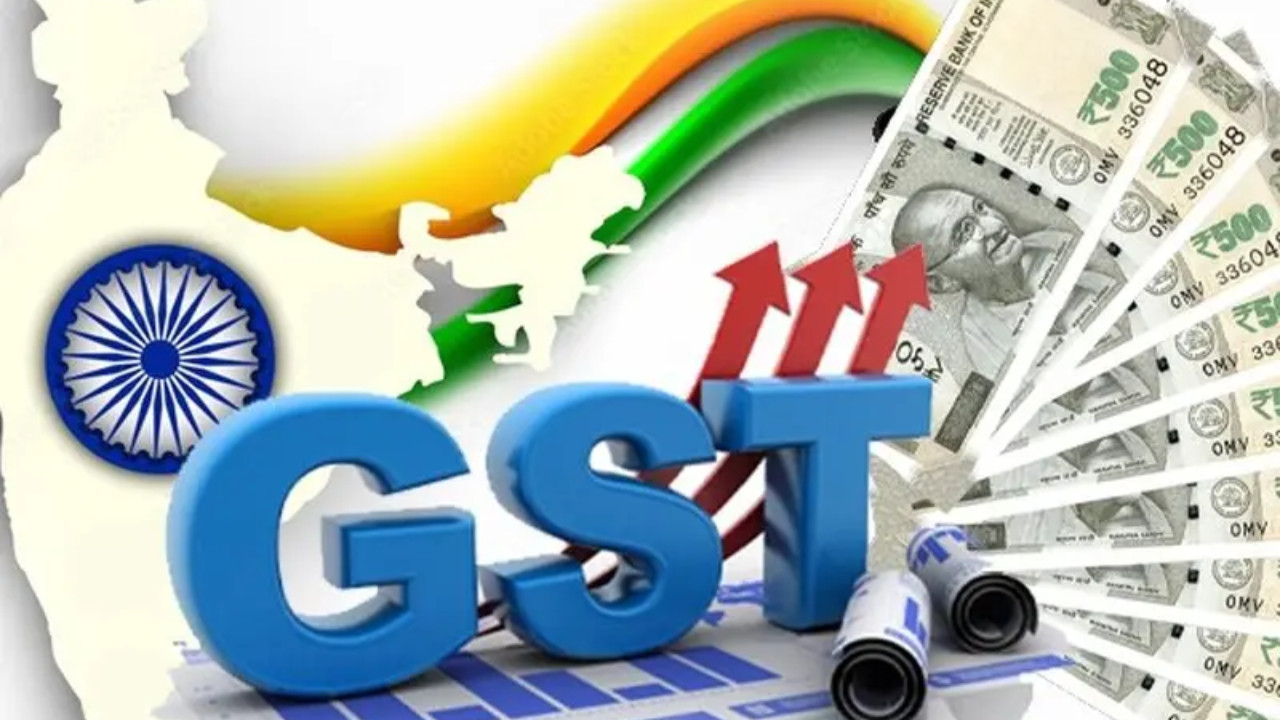
The State Bank of India forecasts inflation for FY26 and FY27 to be significantly lower than the Reserve Bank of India’s estimates, citing a strong monsoon, higher crop sowing, and GST rate rationalization. This comes as RBI already lowered its FY26 CPI forecast and maintained policy rates.
The Whispers of Cooling Inflation: Is India’s Economy Catching a Breeze?
The Indian economy, a vibrant tapestry woven with threads of agriculture, industry, and burgeoning digital services, has been feeling the heat of inflation for quite some time. We’ve all felt it at the grocery store, at the petrol pump, and when contemplating larger purchases. But could there be a shift on the horizon? Recent analyses suggest that the fiery inflation might be starting to simmer down, potentially landing below the Reserve Bank of India’s (RBI) projections.
For months, the RBI has been walking a tightrope, attempting to balance controlling inflation with nurturing economic growth. Their projections have served as crucial benchmarks, guiding policy decisions and shaping market expectations. However, a compelling case is emerging that suggests these projections might be slightly overheated.
So, what’s driving this more optimistic outlook? Let’s delve into the factors that point towards a potential easing of price pressures.
Decoding the Signals: Why Softer Prices Might Be on the Way
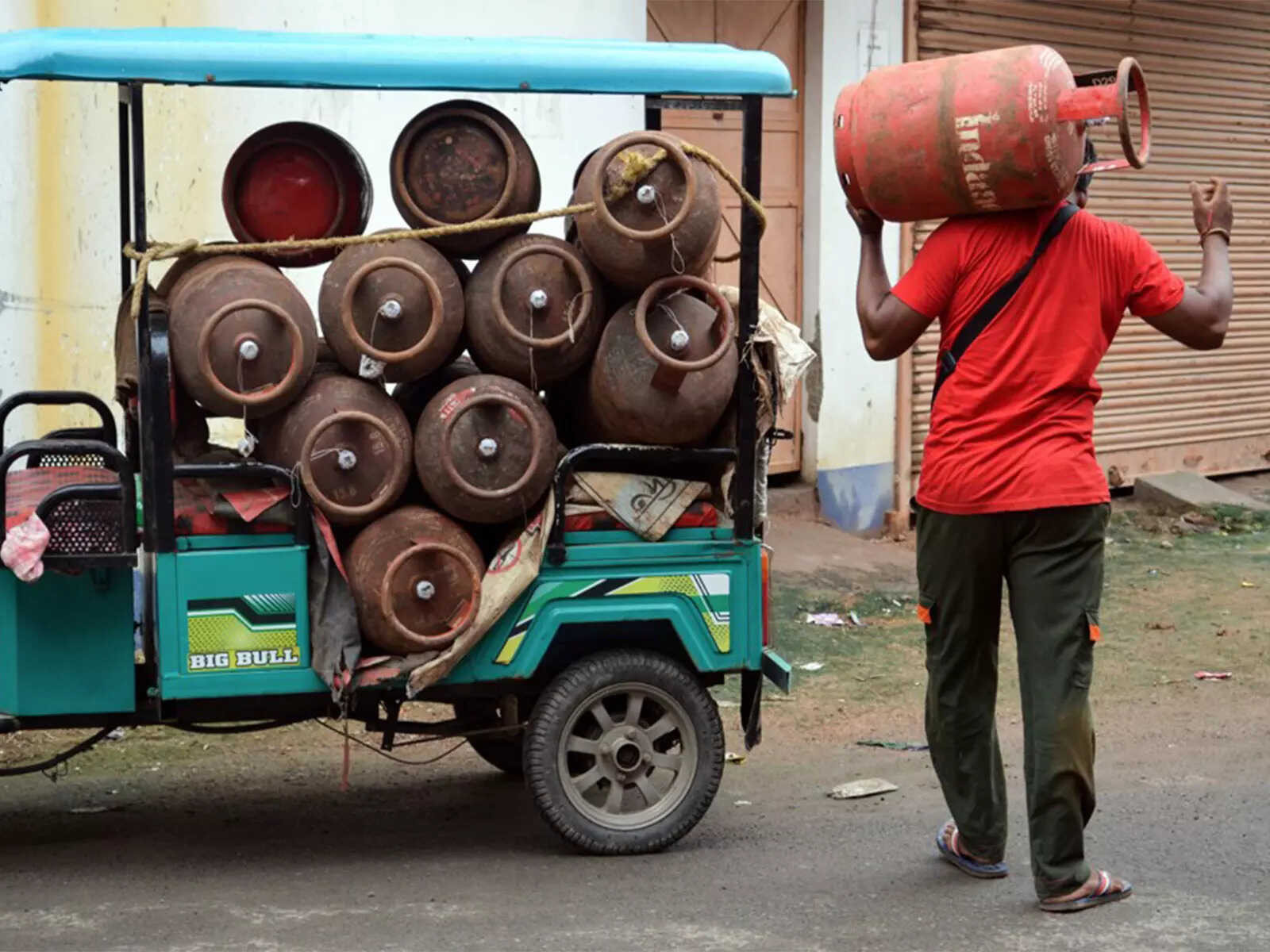
Several indicators suggest a more controlled inflationary environment than previously anticipated. A significant contributor is the anticipated stability, and even potential softening, of global commodity prices. Geopolitical tensions and supply chain disruptions have been major drivers of inflation worldwide, pushing up the cost of everything from crude oil to essential food items. If these pressures ease, the ripple effect on the Indian economy could be substantial. Imagine your grocery bill shrinking just a bit, or the cost of transporting goods becoming more manageable for businesses.

Another key factor is the anticipated moderation in domestic demand. While India’s economy has shown remarkable resilience, consistently high prices are bound to eventually impact consumer spending. As households tighten their belts, demand for certain goods and services may decrease, putting downward pressure on prices. This isn’t necessarily a bad thing; a slight cooling of demand can allow supply chains to catch up and prevent runaway inflation.
Then there’s the role of government policies. Strategic interventions, like managing food grain supplies and adjusting import duties, can have a significant impact on price stability. Prudent fiscal management and targeted subsidies can also play a crucial role in mitigating inflationary pressures, acting as shock absorbers for the economy.

The Impact on Your Wallet: What a Dip in Inflation Means for You
Beyond the macroeconomic picture, what does this potential easing of inflation really mean for the average Indian citizen? Firstly, it could translate to greater purchasing power. A slower rate of price increases means that your income stretches further, allowing you to buy more of the goods and services you need. This, in turn, can boost consumer confidence and contribute to a more positive economic outlook.
Secondly, lower inflation can create a more stable environment for businesses. Predictable prices make it easier for companies to plan investments, manage costs, and expand operations. This can lead to job creation and increased economic activity, benefiting everyone in the long run.

Finally, a lower inflation rate provides the RBI with more flexibility in setting monetary policy. This could potentially lead to lower interest rates, making it cheaper for individuals and businesses to borrow money. This, in turn, can stimulate investment and fuel economic growth. For those seeking loans, either for homes or starting businesses, this could be a welcome relief. See related content about [understanding interest rates](internal-link-to-interest-rates-article).
Navigating the Uncertainties: A Balanced Perspective on India Inflation
While the signs are encouraging, it’s important to remember that economic forecasting is never an exact science. Unexpected events, such as geopolitical shocks or sudden shifts in global demand, can quickly throw projections off course. India’s reliance on monsoon rains for agricultural output also introduces an element of uncertainty, as unpredictable weather patterns can significantly impact food prices.
Therefore, a measured and cautious approach is essential. While celebrating potential progress, we must also remain vigilant and prepared to adapt to changing circumstances. The ongoing global uncertainties mean that the path to complete price stability may still be winding.
In conclusion, while challenges remain, the whispers of cooling inflation in India are growing louder. Several factors, from stabilizing global commodity prices to prudent government policies, suggest that the peak may be behind us. The prospect of inflation landing below the RBI’s projections offers a glimmer of hope for consumers and businesses alike. However, careful monitoring and a flexible approach will be crucial to navigate the uncertainties that lie ahead. This potential shift in India’s inflation narrative is worth watching closely, as its impact will resonate throughout the economy and, ultimately, in your wallet.