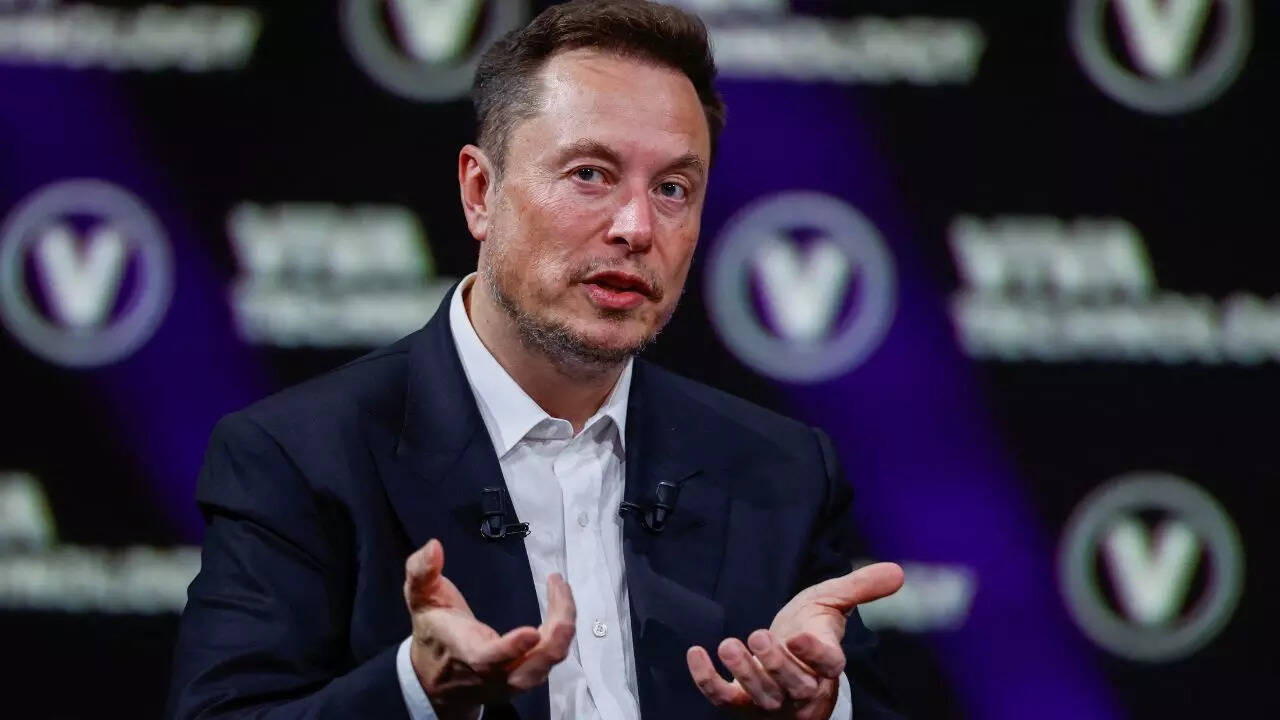
Elon Musk denounced the EU’s $140 million fine on X as “crazy” and “insane,” criticizing the penalty for violating transparency rules under the Digital Services Act. Regulators cited deceptive design practices with the blue checkmark system and shortcomings in X’s ad database. The ruling has drawn criticism from US officials who view it as an attack on American tech platforms.
Musk vs. the EU: Is X’s Fight for Free Speech Costing More Than Just Money?
Elon Musk’s acquisition of X (formerly Twitter) has been anything but quiet. Beyond the name change and the evolving platform policies, a simmering tension has been brewing between X and the European Union, culminating in a recent €140 million ($150 million USD) fine levied against the social media giant. But what exactly landed X in hot water with European regulators, and why did Musk react with such… intensity?
The core issue boils down to transparency and the fight against disinformation. The EU’s Digital Services Act (DSA), a landmark piece of legislation, demands that large online platforms actively combat the spread of illegal content and provide greater transparency regarding their content moderation policies. Think hate speech, terrorist propaganda, and the deliberate spread of false information designed to manipulate public opinion. The EU wants to see real effort from platforms to protect users from these harms.
The European Commission, the EU’s executive arm, felt that X wasn’t pulling its weight. Concerns were raised about X’s responses to requests for information regarding how it handles disinformation and potentially illegal content. Furthermore, the Commission questioned the platform’s measures to combat the spread of harmful content, particularly in the context of the Israel-Hamas conflict.


The EU isn’t playing around. The DSA gives it the power to impose hefty fines, up to 6% of a company’s global annual revenue, for non-compliance. While the €140 million fine is significantly less than that maximum, it sends a clear message: the EU is serious about holding online platforms accountable.
So, what was Musk’s reaction?
Let’s just say it wasn’t exactly diplomatic. Musk, a vocal advocate for free speech, has consistently criticized what he perceives as censorship and overreach by governments and regulatory bodies. His response to the fine was characteristically blunt, expressing disbelief and outrage. He’s publicly questioned the EU’s motivations and accused them of attempting to stifle free expression on the platform.
The heart of the matter seems to be a fundamental disagreement about the balance between freedom of speech and the responsibility of platforms to protect their users from harm. Musk argues that X should be a space for open and uncensored dialogue, even if that means some potentially offensive or controversial content slips through. The EU, on the other hand, maintains that platforms have a duty to actively moderate content and prevent the spread of illegal and harmful material.
The implications of the EU Fine for X

This fine is more than just a financial hit for X. It underscores a growing global trend: increased scrutiny of social media platforms and a push for greater regulation. Other countries and regions are watching closely, and the outcome of this battle between X and the EU could set a precedent for how online platforms are regulated worldwide.
Beyond the immediate financial impact, the fine raises several important questions. Will X change its content moderation policies to comply with the EU’s demands? Can a platform truly balance freedom of speech with the need to protect users from harm? And what impact will this ongoing tension have on X’s user base and its overall reputation?
The road ahead for X in Europe looks uncertain. The platform faces the challenge of navigating complex regulatory landscapes while staying true to its owner’s vision of unfettered free speech. The pressure is on for X to be more transparent about its content moderation processes. Transparency is key to showing regulators and users alike that it is a responsible platform. Read more on content moderation strategies and their impact on user experience.
This ongoing saga is a reminder that the debate over online speech and regulation is far from over. The tension between innovation, freedom of expression, and responsible platform governance is likely to continue shaping the future of the internet. Only time will tell how X, and other platforms like it, will adapt to this changing landscape.