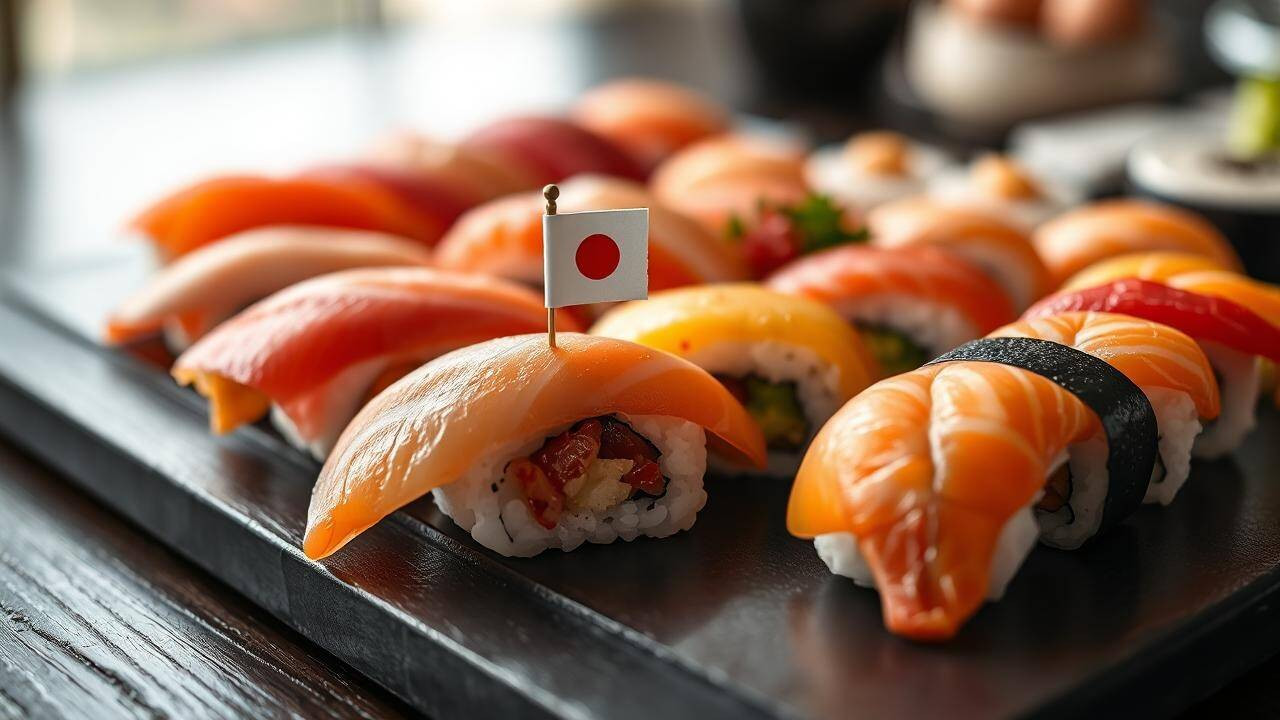
Japan-China trade tensions escalate as reports suggest Beijing may halt Japanese seafood imports, potentially linked to the Fukushima wastewater release. This follows earlier bans and a recent resumption of some trade. The dispute intensifies amid broader diplomatic friction over Taiwan, impacting tourism and leading to official protests from both sides.
Troubled Waters: Is a Seafood Showdown Brewing Between China and Japan?
The air is thick with tension in East Asia, and it’s not just the summer humidity. Whispers are growing louder that China is poised to enact a complete ban on seafood imports from Japan, a move that would send ripples through the global economy and further strain already delicate relations between the two powerhouses. What’s fueling this potential trade war? It all boils down to the controversial release of treated wastewater from the Fukushima Daiichi nuclear power plant.
Since the plant suffered a catastrophic meltdown following the 2011 earthquake and tsunami, the question of how to manage the contaminated water has been a Gordian knot. Japan insists the treated water, diluted to meet international safety standards, poses no threat to human health or the marine environment. They’ve received backing from the International Atomic Energy Agency (IAEA), which has deemed the release plan consistent with global safety standards. The process involves treating the water to remove most radioactive elements and then diluting it significantly before releasing it into the Pacific Ocean.


However, China remains unconvinced, vehemently criticizing the release as irresponsible and a potential ecological disaster. This isn’t just about environmental concerns; it’s also about geopolitics. The issue touches upon deeply rooted historical tensions between the two nations and plays into anxieties about transparency and trust. Beijing has already implemented stringent testing measures on Japanese seafood imports, a move seen by many as a prelude to a full-blown ban. The proposed complete halt of seafood imports would be a significant escalation.
The Fallout of a Potential Ban on Seafood Imports
The economic consequences of a Chinese ban would be considerable. China is a major consumer of Japanese seafood, accounting for a substantial portion of Japan’s export market. A complete cessation of trade would leave Japanese fishermen and seafood producers reeling, forcing them to seek alternative markets and potentially leading to significant financial losses. The impact wouldn’t be confined to Japan; global seafood supply chains could be disrupted, potentially leading to price increases for consumers worldwide.
Furthermore, the move could trigger a broader trade dispute. Japan might retaliate with its own trade restrictions, escalating the conflict into a full-blown economic war. This would have far-reaching implications for the regional economy, particularly given the already fragile global economic landscape. Investors are watching closely, wary of the potential for instability and disruption.
More Than Just Fish: The Bigger Picture
Beyond the immediate economic impact, the seafood imports controversy highlights deeper issues at play. It underscores the growing mistrust between China and Japan, fueled by historical grievances and competing geopolitical ambitions. The Fukushima water release has become a flashpoint, exacerbating these existing tensions and creating a climate of suspicion and animosity.

The situation also raises important questions about international cooperation and environmental responsibility. While Japan maintains it is acting responsibly and transparently, China’s concerns resonate with many who worry about the long-term effects of releasing treated nuclear wastewater into the ocean. The lack of a unified international consensus on the issue underscores the challenges of addressing complex environmental challenges that transcend national borders.
Navigating the Murky Waters Ahead
The future remains uncertain. While diplomatic efforts are underway to ease tensions, a resolution seems elusive. The potential for a complete ban on seafood imports from Japan looms large, threatening to further destabilize relations between the two countries and disrupt the global economy. How both nations navigate these troubled waters in the coming weeks and months will be crucial in shaping the future of East Asia. Will dialogue prevail, or are we heading towards a full-blown trade war? Only time will tell. You can read more about geopolitical challenges in the East Asia region here.
The situation emphasizes the need for transparent communication, rigorous scientific evaluation, and international cooperation when addressing complex environmental challenges with global implications. Ultimately, finding a path forward requires building trust and fostering a shared commitment to protecting the health of our planet.