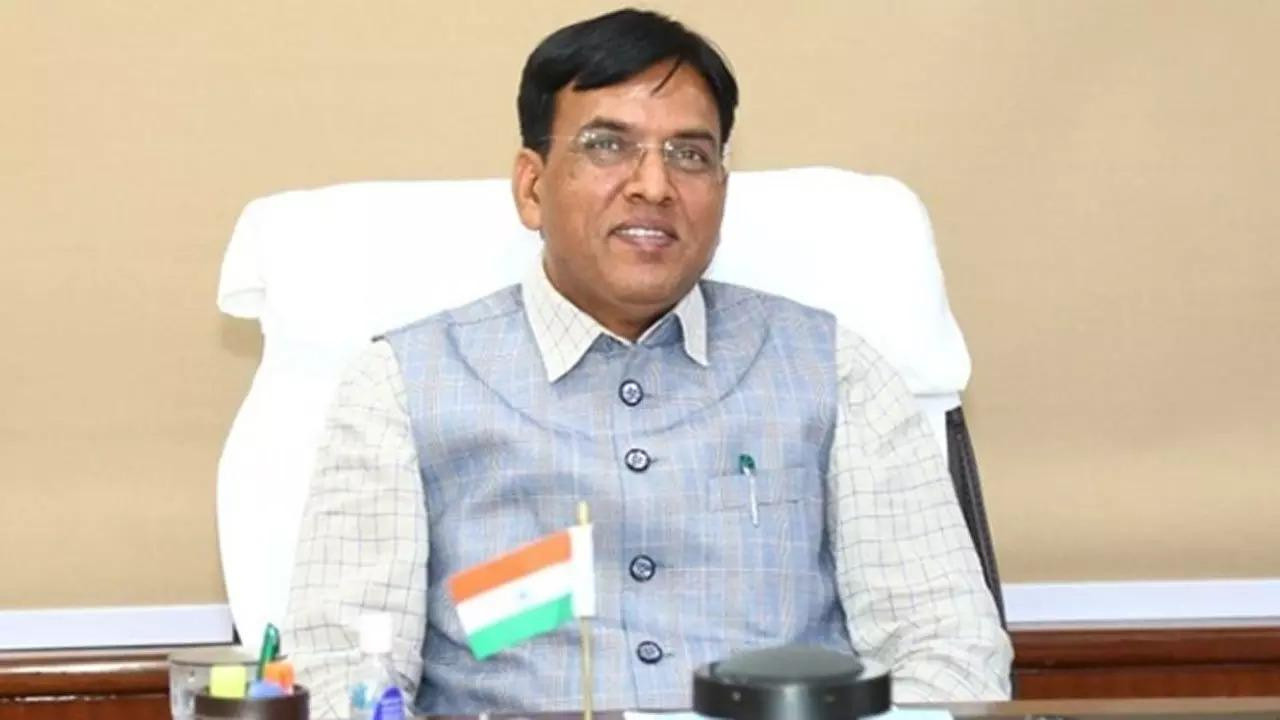
Union Labour Minister Mansukh Mandaviya announced India’s G20-leading 2% unemployment rate, attributing it to economic growth and initiatives like PM-VBRY. Partnerships with Mentor Together and Quikr aim to enhance employability through mentorship and job listings on the National Career Service portal. The government is focused on youth empowerment, allocating significant funds for employment, skilling, and entrepreneurial opportunities.
India’s Jobs Story: A Glimmer of Hope in a Shifting Landscape
The global economic narrative is often painted with broad strokes of uncertainty, fluctuating markets, and anxieties about job security. But sometimes, peeking through the haze of macro trends, you find a story that challenges the prevailing narrative. India’s employment landscape is shaping up to be one such story.
We’ve all heard the whispers about unemployment figures, the anxieties surrounding automation, and the ever-present pressure to adapt to a rapidly changing world of work. So, when a piece of news suggests a positive trend, it’s natural to approach it with a healthy dose of skepticism. But the recent report highlighting India’s unemployment rate paints a picture that’s worth examining closely.
Specifically, India’s unemployment rate stands at approximately 2%, reportedly the lowest among G20 nations. This isn’t just some statistic buried in an obscure report; it’s a figure that Union Minister Mansukh Mandaviya brought to the forefront, citing a World Economic Forum (WEF) study.
Now, numbers, especially in economics, can be interpreted in various ways. It’s vital to dig deeper than the headline and understand the context. What factors are contributing to this relatively low unemployment rate? Is it simply a statistical anomaly, or does it reflect a more profound shift in the Indian economy?


One possible explanation lies in the sheer size and diversity of the Indian economy. Agriculture, while facing its own set of challenges, still employs a significant portion of the population. The informal sector, often overlooked in official statistics, also plays a crucial role in absorbing a large segment of the workforce. However, these sectors often offer lower wages and fewer benefits compared to the organized sector.
The rise of the service sector, particularly in areas like IT and business process outsourcing (BPO), has also contributed to job creation, especially for educated youth. But the focus on high-skilled jobs raises concerns about income inequality and the need for upskilling and reskilling initiatives to ensure that a larger segment of the population can participate in these opportunities.
Moreover, the Indian government’s focus on initiatives like “Make in India” and infrastructure development aims to boost domestic manufacturing and create jobs in various sectors. While the impact of these initiatives may not be immediately visible, they hold the potential to drive long-term employment growth.
However, it’s not all smooth sailing. While the overall unemployment rate may be low, youth unemployment remains a concern. Creating meaningful and sustainable employment opportunities for young people is crucial to harness India’s demographic dividend. Also, the quality of employment is just as important as the quantity. Are people finding jobs that offer decent wages, benefits, and opportunities for career advancement?

Furthermore, the global economic headwinds, including rising inflation and geopolitical uncertainties, could potentially impact India’s economic growth and, consequently, its employment outlook. Navigating these challenges will require proactive policies and a focus on building a resilient and adaptable workforce. This might include strengthening vocational training programs, promoting entrepreneurship, and fostering innovation across various sectors. Consider, for example, the potential impact of advancements in AI on the job market, as discussed in this article about navigating artificial intelligence.
Ultimately, the story of India’s unemployment rate is a complex and evolving one. While the current figures offer a glimmer of hope, it’s crucial to approach them with a nuanced perspective. A combination of factors, including the structure of the Indian economy, government initiatives, and the rise of the service sector, has contributed to this relatively low rate.
However, challenges remain, including youth unemployment, the quality of employment, and the potential impact of global economic uncertainties. Addressing these challenges will require a concerted effort from policymakers, businesses, and individuals to build a more inclusive and sustainable job market for all. The narrative surrounding employment in India is constantly being rewritten, and the next chapter hinges on our ability to adapt, innovate, and prioritize the well-being of our workforce.