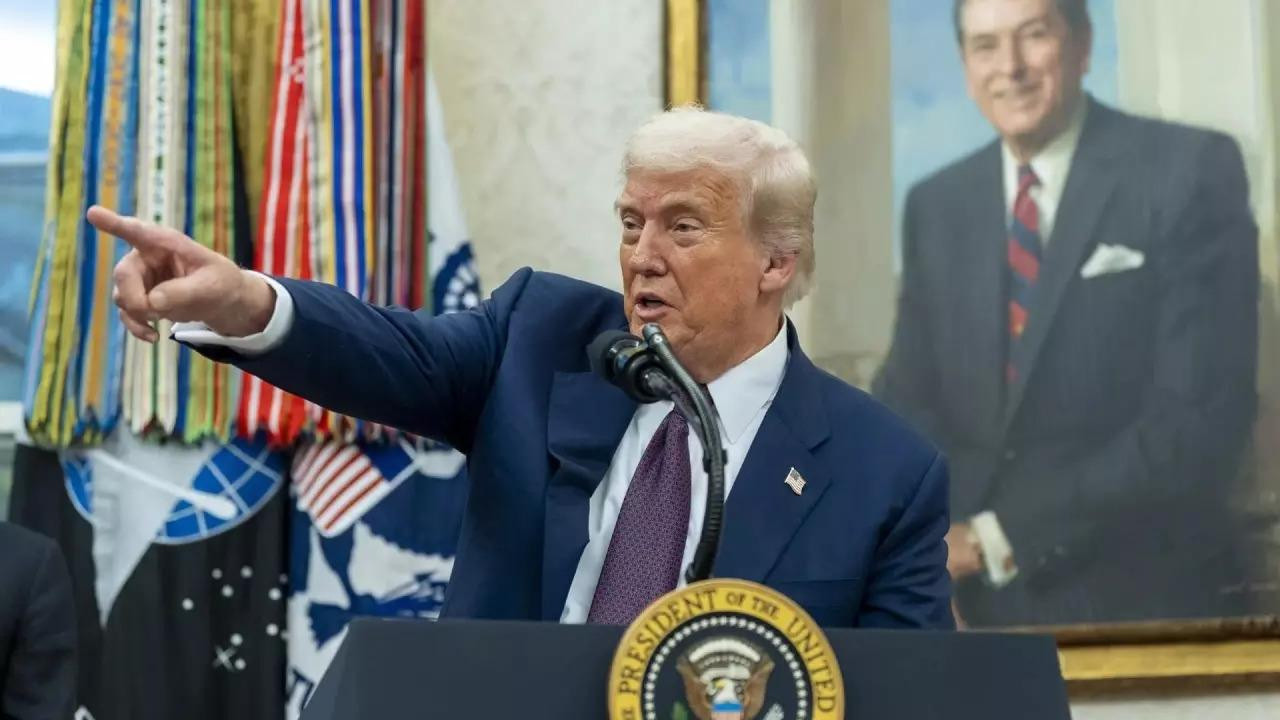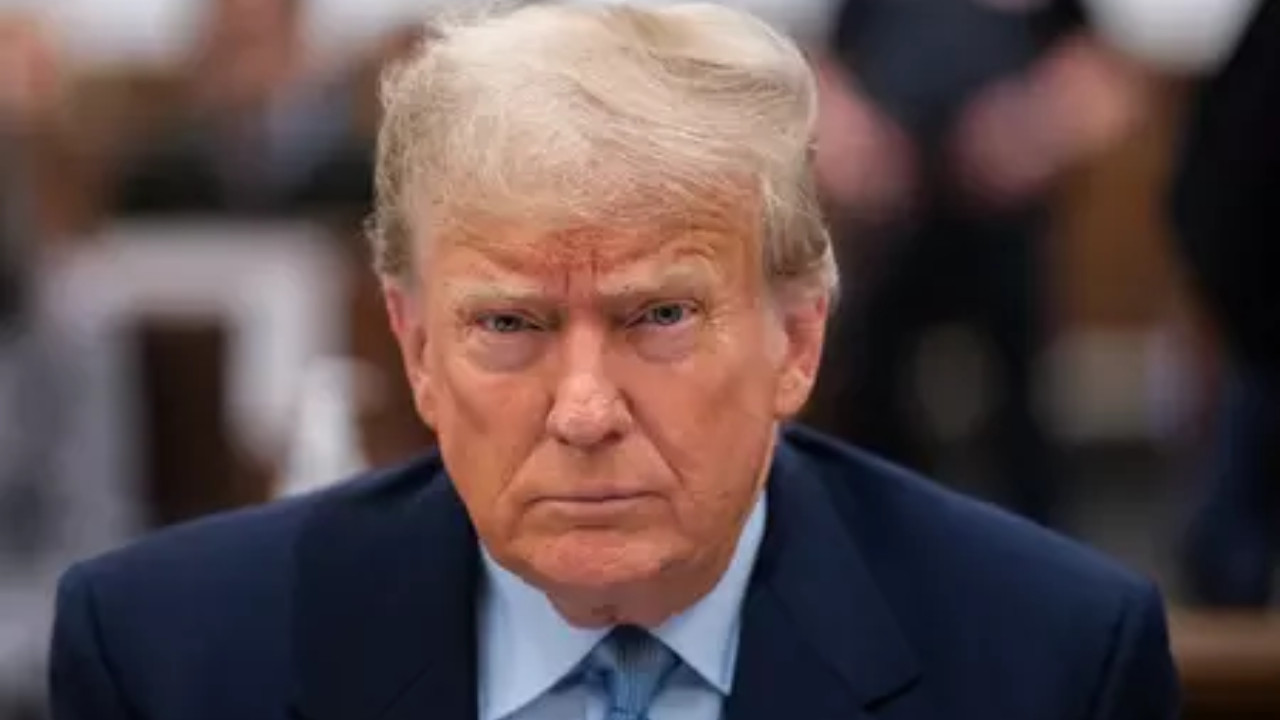
US President Donald Trump labelled Democrats ‘kamikaze’ as the US government shutdown, now the longest in history, enters its sixth week. Millions of federal workers face unpaid leave or working without pay, impacting essential services like airports and welfare programs. A dispute over healthcare spending fuels the deadlock, with both parties showing little willingness to compromise, threatening further chaos.
The Brink: A Look Back at the 2019 Government Shutdown and Echoes in Today’s Politics
Remember the winter of 2018-2019? It wasn’t just the biting cold; a political chill gripped Washington D.C. as the US government plunged into its longest shutdown in history, a staggering 35 days of suspended operations and palpable anxiety. While the specific details might be hazy for some, the why behind it – and its lasting impact – are worth revisiting, especially as political tensions continue to simmer across the nation.
At the heart of the impasse was then-President Trump’s demand for $5.7 billion to fund the construction of a wall along the U.S.-Mexico border. He framed it as a critical measure for national security, a non-negotiable pillar of his campaign promises. Democrats, freshly empowered after gaining control of the House of Representatives, stood firm in their opposition. They decried the wall as ineffective, wasteful, and morally objectionable, offering alternative border security solutions that didn’t involve a physical barrier.
The ensuing stalemate wasn’t just a political squabble; it had real-world consequences. Hundreds of thousands of federal employees were either furloughed, meaning they were temporarily laid off, or forced to work without pay. Imagine going to work every day knowing you might not get a paycheck. That’s the reality faced by TSA agents, air traffic controllers, park rangers, and countless others. The shutdown disrupted essential government services, from food safety inspections to tax processing, creating a ripple effect that touched nearly every corner of American life.


The Human Cost of Political Gridlock
The impact wasn’t merely economic; the shutdown took a psychological toll. Stories emerged of federal workers struggling to pay their bills, facing eviction, and relying on food banks to feed their families. The uncertainty and anxiety weighed heavily on those caught in the crossfire of partisan politics. The shutdown became a stark reminder of the very real human cost of political gridlock. It exposed the vulnerability of government employees and the fragility of the social safety net.
What made this shutdown particularly noteworthy was the uncompromising rhetoric employed by both sides. President Trump didn’t mince words, portraying the Democrats as obstructionist and accusing them of putting political gamesmanship above national security. He even went so far as to threaten to declare a national emergency to bypass Congress and build the wall without their approval. Democrats, in turn, accused Trump of holding the government hostage to fulfill a campaign promise. The level of vitriol and polarization seemed to escalate with each passing day.
The Aftermath and Lingering Questions
Eventually, the shutdown ended when President Trump signed a bill to reopen the government without securing the full funding he had demanded. It was a temporary truce, a band-aid solution to a deeper underlying problem. The issue of border security remained unresolved, and the seeds of future conflicts were sown.

Looking back, the 2019 government shutdown serves as a cautionary tale. It highlights the dangers of political polarization, the importance of compromise, and the need for responsible governance. It prompts us to ask: How can we prevent similar crises from happening again? How can we ensure that the needs of the American people are not held hostage by political infighting?
One could argue that the shutdown exacerbated existing political divisions, fostering a climate of mistrust and animosity that continues to plague our political landscape. This event also raised important questions about the role of the executive branch and the limits of presidential power. Can a president truly govern effectively when faced with unwavering opposition from Congress?
Learn more about navigating political discussions with understanding and respect in our article on [Bridging Divides: Fostering Constructive Dialogue](internal-link-to-related-content).
The lessons of the 2019 shutdown are particularly relevant today, as we navigate a complex and often contentious political environment. Understanding the roots of past crises can help us to build a more resilient and functional democracy moving forward. The shutdown should be a reminder to our elected officials that compromise and finding common ground are not signs of weakness, but rather essential ingredients for effective leadership. A functioning government that prioritizes the needs of its citizens, not political point-scoring, is what the American people truly deserve.