Kandla Crushes Records: How India’s West Coast Became a Cargo King
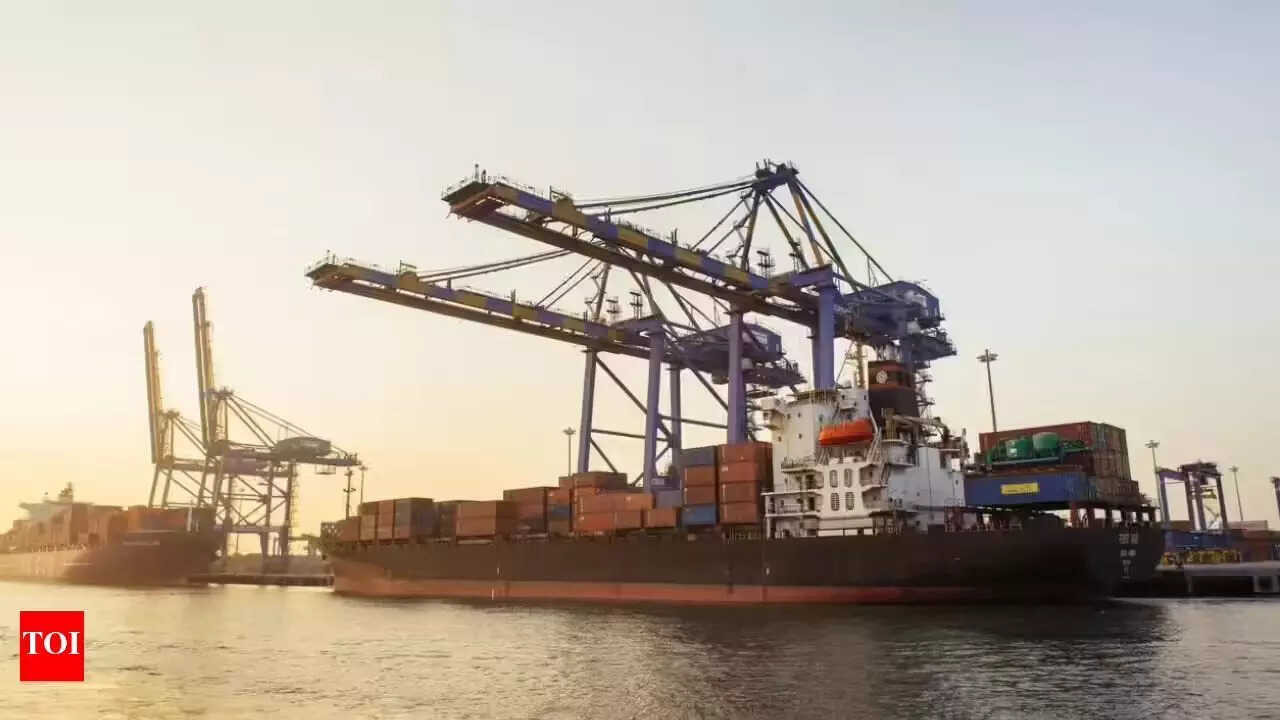
The aroma of salt and the cries of gulls fill the air at Kandla, a port city nestled along India’s northwestern coast. But lately, there’s another sound dominating the harbor: the low rumble of progress. This isn’t just idle chatter; Kandla has just become the fastest major port in India to cross the 100 million metric tons (MMT) cargo handling mark in a single fiscal year, achieving this feat in FY26. This is a significant leap forward, and it begs the question: what’s fueling this impressive surge?
Kandla, officially known as Deendayal Port Authority, hasn’t just scraped past the milestone; it’s shattered expectations. In hitting 100 MMT so early in the fiscal year, it signals a powerful trajectory, one that speaks volumes about India’s growing economic clout and the port’s strategic importance. This achievement is more than just numbers; it represents a critical artery pumping lifeblood into the nation’s trade and commerce.
What’s behind this remarkable performance? Several factors appear to be at play.
The Engine Room: Infrastructure Investments
Like any well-oiled machine, a port relies on robust infrastructure. Over the past few years, significant investments have been poured into upgrading Kandla’s facilities. This includes modernizing berths, expanding storage capacity, and streamlining logistics processes. These improvements haven’t just added capacity; they’ve reduced turnaround times for ships, making Kandla a more attractive option for businesses looking for efficient and reliable cargo handling.

Think of it like this: imagine a highway system upgraded from two lanes to six. The flow of traffic – in this case, goods – becomes dramatically faster and smoother. That’s essentially what’s happening at Kandla.
Riding the Wave: Favorable Government Policies
Strategic policy decisions at the national level have also played a crucial role. The Indian government has been actively promoting port-led development through initiatives like Sagarmala, which aims to modernize ports, enhance connectivity, and boost coastal industrialization. These policies create a supportive ecosystem, attracting investment and fostering growth. Kandla, situated in a geographically advantageous location, is ideally positioned to capitalize on these opportunities.
Location, Location, Location: Kandla’s Strategic Advantage

Perhaps one of Kandla’s greatest assets is its location. Situated on the Gulf of Kutch, it enjoys excellent connectivity to India’s northern and western hinterlands, serving as a crucial gateway for trade to and from these regions. This strategic placement reduces transportation costs and transit times, making Kandla a preferred choice for businesses engaged in import and export activities. The port’s proximity to major industrial centers also facilitates the smooth flow of raw materials and finished goods. Consider exploring other key infrastructure developments, such as those outlined in our article about the Delhi-Mumbai Industrial Corridor, for a broader understanding of India’s economic growth.

More Than Just Numbers: The Ripple Effect
The implications of Kandla’s success extend far beyond the port itself. It has a cascading effect on the regional economy, creating employment opportunities, stimulating industrial growth, and boosting overall prosperity. The increased trade volume translates into higher revenues for the government, which can then be reinvested in further infrastructure development and social programs. Kandla’s success story is therefore a microcosm of India’s broader economic ambitions. This boost directly impacts various industries, from manufacturing to agriculture, creating a positive feedback loop for economic expansion.
The Road Ahead: Sustaining the Momentum
The challenge now is to sustain this momentum and build upon this impressive foundation. This will require continued investment in infrastructure, technological innovation, and skilled workforce development. Embracing automation and digitalization will be key to further streamlining operations and enhancing efficiency. There’s a constant need to adapt to evolving global trade dynamics and emerging market trends. The port authorities need to ensure that Kandla remains competitive and continues to play a pivotal role in India’s economic growth story.
Kandla’s record-breaking achievement isn’t just a fleeting moment of glory; it represents a significant step forward in India’s journey to becoming a global economic powerhouse. It’s a testament to the power of strategic investments, favorable policies, and a prime location. As Kandla continues to evolve and adapt, it promises to be a driving force in India’s trade and commerce for years to come.