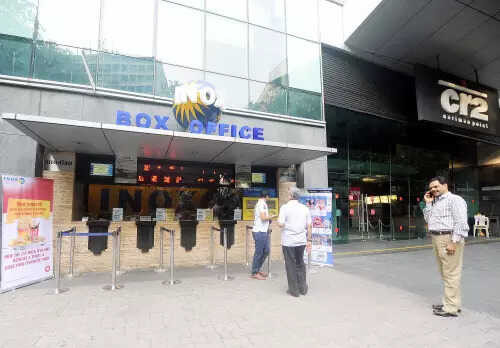
Karnataka’s government is proposing a Rs 200 price cap on movie tickets, impacting major cinema chains like PVR-Inox, which relies heavily on the state for revenue. This move could significantly reduce PVR-Inox’s average ticket price and overall earnings, especially affecting premium formats in Bengaluru. The decision, following a previous attempt in 2017, faces potential legal challenges from theatre owners.
Karnataka’s Cinema Revolution: Affordable Tickets Are Here
Karnataka is shaking up the silver screen experience! Imagine settling into your plush cinema seat, popcorn in hand, ready to be transported to another world, and knowing you haven’t completely broken the bank to get there. That dream is becoming a reality in Karnataka, with a new cap on movie ticket prices aiming to make cinema more accessible than ever before.
The state government’s decision to potentially limit ticket prices to ₹200 is a game-changer. For movie lovers who’ve felt priced out of the latest blockbusters, this news is cause for celebration. But what does this mean for the big players – the PVR-INOX multiplex chains that have redefined movie-going in India?
A Win for the Audience?
The driving force behind this initiative is simple: accessibility. In a world increasingly saturated with entertainment options, Karnataka recognizes that cinema needs to remain competitive and inclusive. High ticket prices can be a significant barrier, especially for families and those on tighter budgets. By capping prices, the government hopes to encourage more people to visit theaters, boosting the overall film industry.
Think of it this way: instead of just one or two expensive movie trips a month, families might now be able to enjoy cinema more regularly. This increased footfall could lead to a revitalized movie-going culture and expose a wider audience to the magic of the big screen. After all, cinema is a shared experience, and the more people who can participate, the richer the cultural landscape becomes. The hope is that increased volume makes up for potentially lower revenues per ticket.
The Multiplex Conundrum: How Will They Adapt?
The ₹200 price cap undoubtedly presents a challenge for multiplex chains like PVR-INOX. They have built their business models on premium experiences, including luxurious seating, state-of-the-art sound systems, and, of course, higher ticket prices. The question now is: how will they adapt to this new reality?

The knee-jerk reaction might be concern over profitability. Can these multiplexes maintain their high standards and operational costs with significantly lower revenue per ticket? It’s a valid concern, and we can expect to see some strategic adjustments in response.
One potential avenue is a greater focus on ancillary revenue streams. Think gourmet food and beverage options, exclusive merchandise, and interactive gaming experiences. These offerings can create a premium atmosphere and contribute significantly to the bottom line.
Another strategy is to leverage different pricing tiers based on showtimes and seat locations. For instance, morning shows or seats in less desirable locations could be offered at the capped price, while premium seating during peak hours might command a slightly higher fee (within permissible limits, of course).
Innovation is key. Multiplexes might need to explore new ways to enhance the movie-going experience, adding value beyond just the film itself. Perhaps themed events, Q&A sessions with filmmakers, or even live performances could attract a broader audience and justify slightly higher prices for select offerings.

The Broader Impact on the Indian Film Industry
Karnataka’s move could have ripple effects across the Indian film industry. If successful, other states might consider similar measures to boost cinema attendance. This could lead to a nationwide shift towards more affordable movie tickets, potentially reshaping the landscape of film exhibition in India.

It’s important to remember that the Indian film industry is a complex ecosystem. While lower ticket prices benefit consumers, they also impact producers, distributors, and exhibitors. Finding a balance that ensures sustainability for all stakeholders is crucial.
Perhaps this move will spur the industry to find greater efficiencies in operations or innovate in film production and distribution, cutting costs to allow for more affordable cinema experiences. You can explore related content about the entertainment industry and consumer behavior here.
A Future of Affordable Entertainment?
Karnataka’s cinema revolution is a bold step towards making entertainment more accessible to all. While challenges remain, the potential benefits – a revitalized movie-going culture, increased footfall in theaters, and a more inclusive cinematic experience – are significant. The ball is now in the court of the multiplex chains to adapt, innovate, and ensure that the magic of cinema continues to thrive in Karnataka and beyond. This new legislation regarding movie ticket price cap could well change how people experience and enjoy the movies. It’s a move with the potential to democratize cinema, making it a truly accessible art form for everyone.