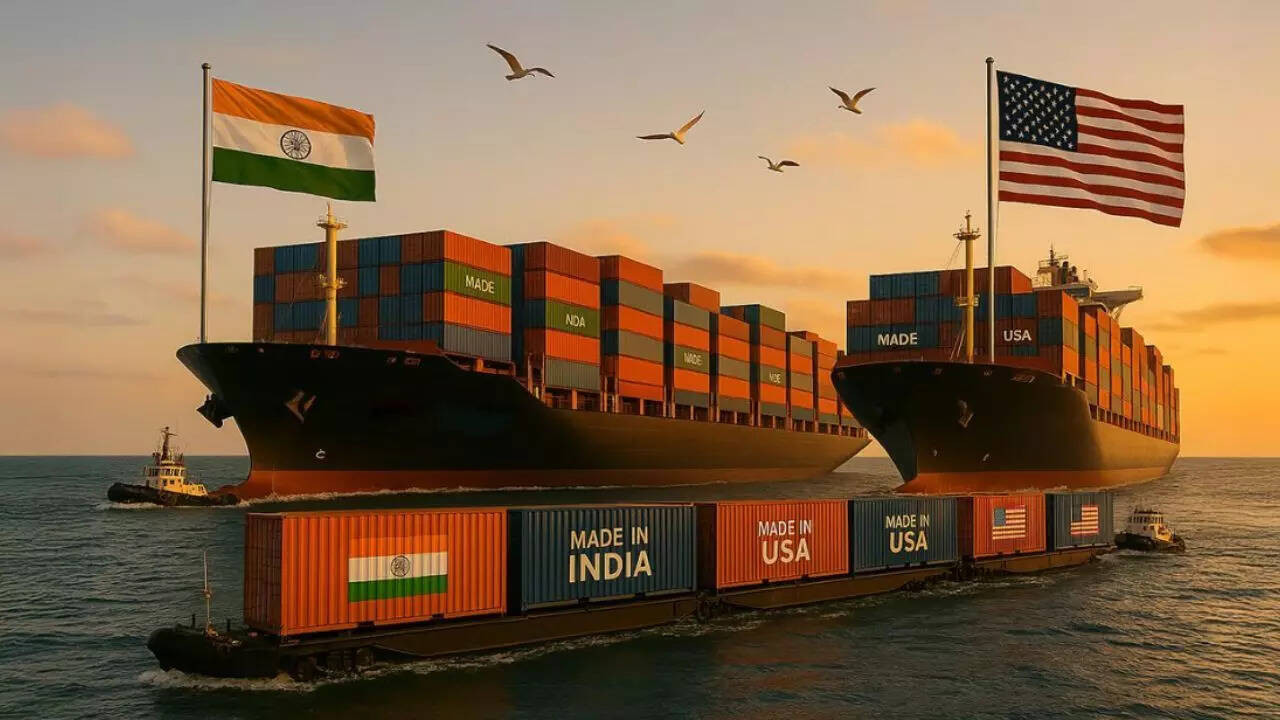
India’s export strategy needs a long-term focus on technology, cost efficiency, and domestic production amidst a global economic slowdown. Experts emphasize lowering production costs, simplifying regulations, and fostering foreign technology partnerships alongside reverse engineering to boost competitiveness and address trade deficits.
India’s Export Edge: More Than Just Low Costs
For years, the narrative surrounding India’s export prowess has revolved around one dominant factor: low costs. But in today’s dynamic global landscape, can this singular advantage truly sustain India’s competitive edge? The reality is far more nuanced, demanding a strategic shift toward innovation, technology adoption, and a sharper focus on value addition.
We’ve long known India boasts a vast pool of skilled labor willing to work for less than their counterparts in developed nations. This has undeniably fueled growth in sectors like textiles, manufacturing, and IT services. However, relying solely on low costs presents several challenges. First, it leaves Indian exporters vulnerable to competition from other developing nations with even lower labor costs. Second, it limits the potential for higher profit margins and sustainable economic growth. Third, and perhaps most importantly, it restricts India’s ability to move up the value chain and establish itself as a leader in high-tech, high-value industries.

So, what’s the alternative? The answer lies in a multi-pronged approach that leverages India’s existing strengths while simultaneously addressing its weaknesses.

Tech as a Catalyst: Powering the Next Wave of Indian Exports
Technology is no longer an optional add-on; it’s the backbone of any successful export strategy. Indian businesses must embrace automation, artificial intelligence (AI), and the Internet of Things (IoT) to enhance productivity, improve product quality, and optimize supply chain management. This isn’t just about replacing human labor with machines; it’s about empowering workers with the tools they need to be more efficient and effective.
Imagine a textile factory where AI algorithms optimize the cutting process, minimizing waste and maximizing fabric utilization. Or consider a logistics company using IoT sensors to track shipments in real-time, ensuring timely delivery and reducing the risk of loss or damage. These are just a few examples of how technology can transform Indian exports and make them more competitive on the global stage.
Moreover, India’s burgeoning tech sector itself presents a significant export opportunity. Software development, data analytics, and cybersecurity are just a few areas where India has a distinct advantage. By fostering innovation and supporting the growth of these industries, India can diversify its export portfolio and reduce its reliance on traditional sectors. To learn more about the role of innovation in India’s economic growth, check out this article on [investing in Indian startups](internal-link-to-relevant-article).
Moving Beyond Low Costs: The Value Proposition for Indian Exports
While low costs may attract initial interest, sustained success requires a compelling value proposition. This means focusing on product quality, design, and branding. Indian exporters need to understand the needs and preferences of their target markets and tailor their offerings accordingly.
Consider the example of Indian handicrafts. While traditionally exported for their low price, they can command a premium if marketed as unique, handcrafted items with a rich cultural heritage. By emphasizing the story behind the product and the artistry involved in its creation, Indian exporters can appeal to discerning consumers who are willing to pay more for authentic and ethically sourced goods.

Furthermore, building strong relationships with customers is crucial. This involves providing excellent customer service, responding promptly to inquiries, and offering after-sales support. By establishing a reputation for reliability and responsiveness, Indian exporters can build trust with their customers and foster long-term partnerships.
Government Support: A Crucial Enabler
While businesses must take the lead in transforming India’s export strategy, the government also has a critical role to play. This includes providing financial assistance to small and medium-sized enterprises (SMEs), streamlining regulatory processes, and investing in infrastructure development. The government should also focus on promoting Indian exports through trade fairs, exhibitions, and other promotional events. Ultimately, the goal is to create an ecosystem that supports innovation, entrepreneurship, and export growth.
India’s export future hinges on moving beyond its dependence on low costs. Embracing technology, focusing on value addition, and fostering innovation are essential for sustaining competitiveness in an increasingly globalized world. By focusing on these key areas, India can unlock its full export potential and establish itself as a global economic powerhouse. The transition will require effort and investment, but the rewards are immense: greater economic prosperity, higher living standards, and a stronger position in the global economy.