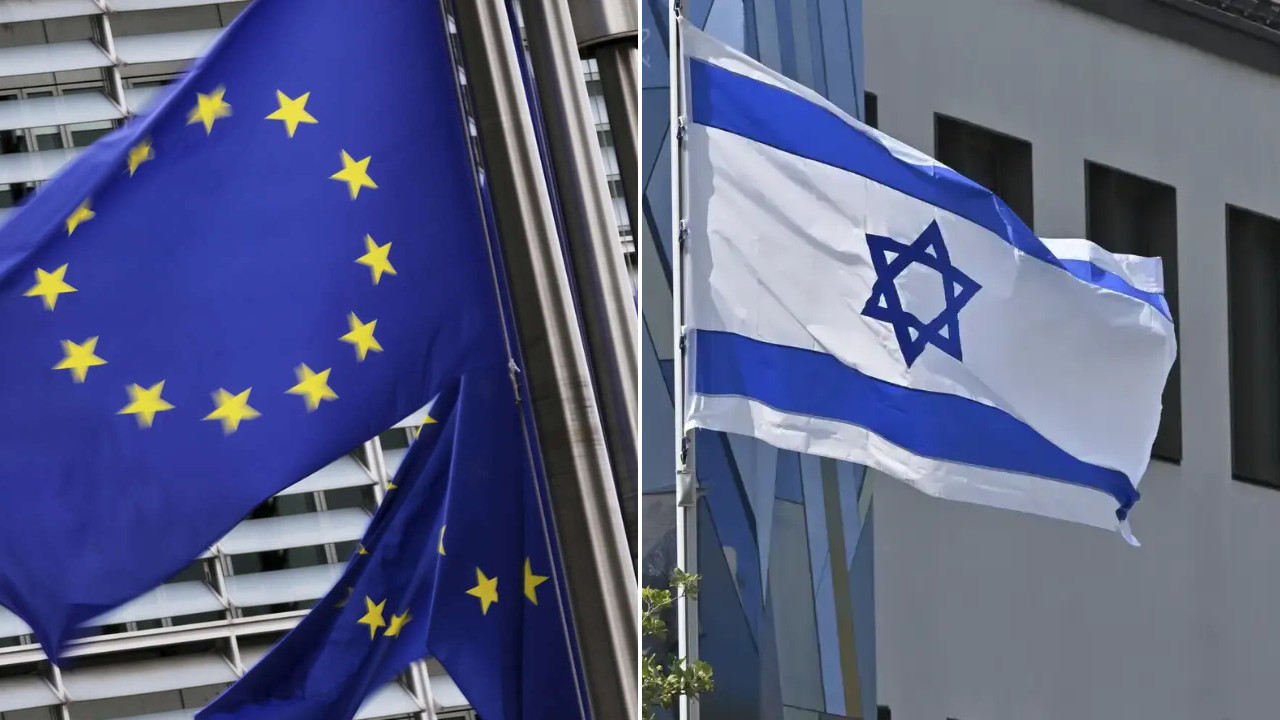
The EU is considering imposing tariffs on Israeli goods and sanctioning individuals, including ministers Ben-Gvir and Smotrich, to pressure Israel to end the Gaza war. EU foreign policy chief Kaja Kallas seeks support from the bloc’s 27 countries, citing human rights concerns and the need for a ceasefire.
Shifting Sands: Could EU Sanctions Reshape Trade with Israel?
The winds are shifting in Europe. A growing swell of voices within the European Union are calling for economic measures against Israel, a move that could dramatically alter trade relations and send ripples across the geopolitical landscape. We’re not just talking about hushed whispers in Brussels corridors; these are increasingly insistent calls for sanctions and tariffs, targeting a substantial chunk – reportedly 37% – of goods the EU currently imports from Israel.
This isn’t a snap decision born from nowhere. It’s the culmination of mounting concern and frustration within the EU regarding the ongoing Israeli-Palestinian conflict. While the EU has long advocated for a two-state solution and peaceful negotiations, the current situation on the ground has led many to question whether stronger measures are needed to influence Israeli policy. But what specific events triggered this shift, and what could the potential consequences be?
Diving into the Proposed EU Sanctions
The proposed sanctions are not a blanket ban on all Israeli goods. Instead, the focus appears to be on carefully selected sectors, with the 37% figure suggesting a deliberate targeting of industries deemed most relevant to the ongoing conflict or linked to settlements in occupied territories. Think agricultural products, manufactured goods, and possibly even certain high-tech components.
The exact details of which sectors will face penalties remain a topic of intense debate. Different member states within the EU hold varying opinions on the appropriate course of action. Some are pushing for a hard line, emphasizing the need to hold Israel accountable for perceived violations of international law. Others are more cautious, warning against measures that could destabilize the region further or harm ordinary Israelis and Palestinians. This internal division underscores the complexity of the situation and the delicate balancing act the EU is attempting to perform.

Trade Tensions: More Than Just Economics
The economic implications of these EU sanctions are significant, no doubt. Israel is a major trading partner for the EU, and a substantial reduction in imports could have a noticeable impact on its economy. Conversely, European consumers could see price increases or shortages in certain goods if Israeli products become less readily available.
However, the impact extends far beyond simple economics. Trade is often intertwined with political influence. Sanctions, or even the threat of sanctions, can be a powerful tool for exerting pressure on a government to change its policies. The EU hopes that by impacting Israel’s economic interests, it can encourage a renewed commitment to peace negotiations and a more equitable resolution to the conflict. The question is, will it work?

Could These Actions Backfire?
There’s a very real risk that these measures could backfire. Some argue that sanctions might harden Israel’s stance, leading to further entrenchment and a reluctance to engage in meaningful dialogue. It could also fuel resentment and anti-EU sentiment within Israel, further complicating the already complex relationship.
Furthermore, any significant disruption to trade could have unintended consequences for the Palestinian economy. Many Palestinians rely on jobs in Israeli industries or trade with Israeli businesses. Sanctions, if not carefully targeted, could inadvertently harm the very people the EU is trying to help. This is an important nuance and a factor that must be at the forefront of the EU’s decision-making process. You can read more about the EU’s broader trade policies on our [trade agreements page](internal-link).
Looking Ahead: A Crossroads for EU-Israel Relations
The coming weeks and months will be crucial. The EU is at a crossroads. The decision to impose sanctions, or to refrain from doing so, will have profound and lasting implications for its relationship with Israel and for the broader dynamics of the Middle East. The internal debates within the EU will continue, the pressure from various stakeholders will intensify, and the eyes of the world will be watching. Ultimately, the path forward will depend on a delicate balance of political considerations, economic realities, and a genuine desire to promote peace and stability in a region that desperately needs it. The implications for the global marketplace could be immense, and one should keenly keep an eye on this evolving dynamic.