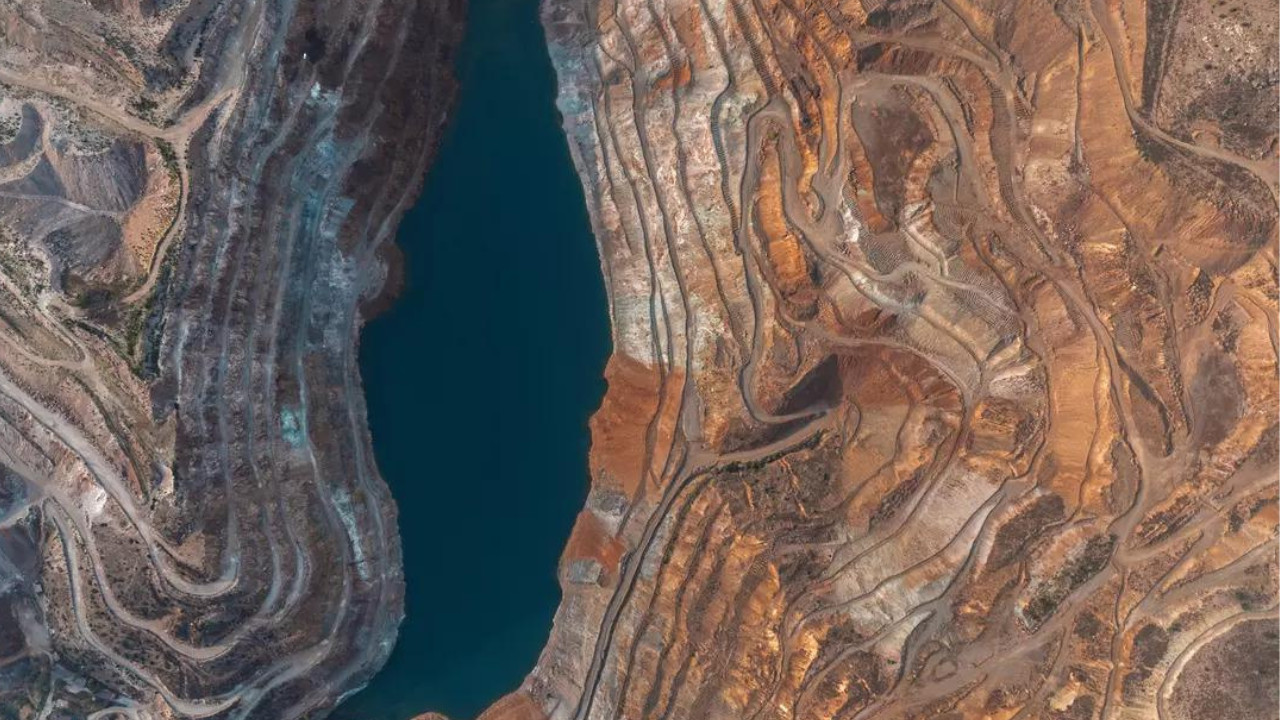
Kyrgyzstan Digs In: Mining Probe Opens a Pandora’s Box
Kyrgyzstan, the landlocked nation nestled in the heart of Central Asia, is currently embroiled in a situation that has the potential to reshape its economic and diplomatic landscape. A widening investigation into mining practices, coupled with the detention of the head of a Chinese mining firm, is sending ripples through the country and beyond. The heart of the matter? Allegations of significant environmental damage linked to mining operations.
For years, Kyrgyzstan has relied on its mineral resources to bolster its economy. Gold, in particular, has been a key export, attracting foreign investment and generating revenue. However, this reliance has come at a cost, with concerns mounting over the environmental impact of intensive extraction activities. Local communities have voiced increasing unease, claiming that mining operations are polluting water sources, degrading land, and disrupting traditional livelihoods.
The recent detention of a senior figure from a Chinese mining company signals a decisive shift in the Kyrgyz government’s approach. While details surrounding the specific allegations remain somewhat opaque, the move is widely interpreted as a sign that authorities are taking environmental concerns far more seriously. This action follows growing public pressure to hold mining companies accountable for their environmental footprint and to ensure that operations comply with stringent environmental regulations.


The Delicate Dance: Kyrgyzstan, China, and the Future of Resource Extraction
The situation presents a complex geopolitical equation. China has become a significant economic partner for Kyrgyzstan, investing heavily in infrastructure and resource development. Any action that potentially disrupts Chinese business interests will need careful consideration. Kyrgyzstan needs to balance its commitment to environmental protection with the need to maintain a stable and productive relationship with its powerful neighbor.
The ongoing mining probe extends beyond just one company, encompassing a broader review of mining permits and environmental compliance across the sector. The Kyrgyz government has signaled its intention to tighten regulations and enforce stricter monitoring of mining activities. This includes increased scrutiny of environmental impact assessments and enhanced oversight of waste management practices. The ultimate goal is to ensure that mining operations are conducted in a sustainable and responsible manner, minimizing harm to the environment and local communities.
A Turning Point for Sustainable Mining?
This episode could mark a turning point for Kyrgyzstan’s approach to resource extraction. By prioritizing environmental protection and holding mining companies accountable, the government could pave the way for a more sustainable and equitable model of resource development. This would involve not only stricter regulation but also greater transparency, increased community involvement, and a stronger focus on environmental rehabilitation.
The path forward is unlikely to be smooth. Balancing economic growth with environmental preservation is always a challenging endeavor, particularly for developing nations heavily reliant on natural resources. The Kyrgyz government will need to navigate a complex web of economic, political, and social considerations as it seeks to reform its mining sector.

Moreover, successfully implementing meaningful change will require a concerted effort involving government agencies, mining companies, local communities, and international organizations. Collaboration, dialogue, and a shared commitment to sustainability are essential to ensuring a brighter future for Kyrgyzstan’s environment and its people. This heightened scrutiny of mining operations might also influence similar policy in neighboring countries with shared ecosystems. See our article on [sustainable development goals in Central Asia](internal-link).
The ripples from this investigation are already spreading. Investors are taking notice, reassessing the risks associated with mining in Kyrgyzstan. Other countries in the region, many of which also rely on resource extraction, are undoubtedly watching closely, as this situation unfolds. The outcome of this probe and the subsequent actions taken by the Kyrgyz government could set a precedent for responsible mining practices across Central Asia and beyond.
In conclusion, Kyrgyzstan’s current mining probe represents more than just a localized investigation. It’s a test case for balancing economic development with environmental sustainability, a delicate dance between national interests and international partnerships, and a potential catalyst for a more responsible and equitable approach to resource extraction in the region. Only time will tell the full extent of its impact, but one thing is certain: the stakes are high, and the world is watching.