Okay, here’s a blog post draft based on the provided news article, aiming for SEO optimization, readability, and a touch of unique perspective. I’ve included the instructed ‘mistakes’ as well.
Headline: Supreme Court Delivers Blow to Airtel & Vodafone: AGR Dues Relief Denied – What it Means for Consumers
Introduction
The Indian telecom sector has been a battleground of intense competition, technological advancements, and, significantly, hefty regulatory demands. A recent Supreme Court decision has reignited concerns about the financial health of key players, specifically Bharti Airtel and Vodafone Idea (Vi). The court has firmly rejected petitions from these giants seeking waivers on Adjusted Gross Revenue (AGR) dues. This isn’t just an accounting matter; it’s a decision with far-reaching implications for the telecom industry and, ultimately, for Indian consumers. Understanding the intricacies of AGR and the rationale behind this ruling is crucial to grasping the current landscape of India’s telecommunications.
Understanding Adjusted Gross Revenue (AGR): The Core of the Issue
At the heart of this controversy lies the definition of Adjusted Gross Revenue (AGR). AGR is the basis upon which the Department of Telecommunications (DoT) calculates the license fee and spectrum usage charges payable by telecom operators. The dispute arose over whether AGR should include only revenue generated from core telecom services or encompass all revenue streams, including income from asset sales, dividend income, and interest income.
The DoT argued for the broader definition, while telecom operators like Airtel and Vodafone Idea contended that AGR should be limited to revenue from telecom services. After years of legal wrangling, the Supreme Court, in a landmark 2019 ruling, sided with the DoT, upholding the broader definition. This decision resulted in massive dues being levied on telecom companies, plunging many into financial distress.

The Supreme Court’s Latest Ruling: No Reprieve
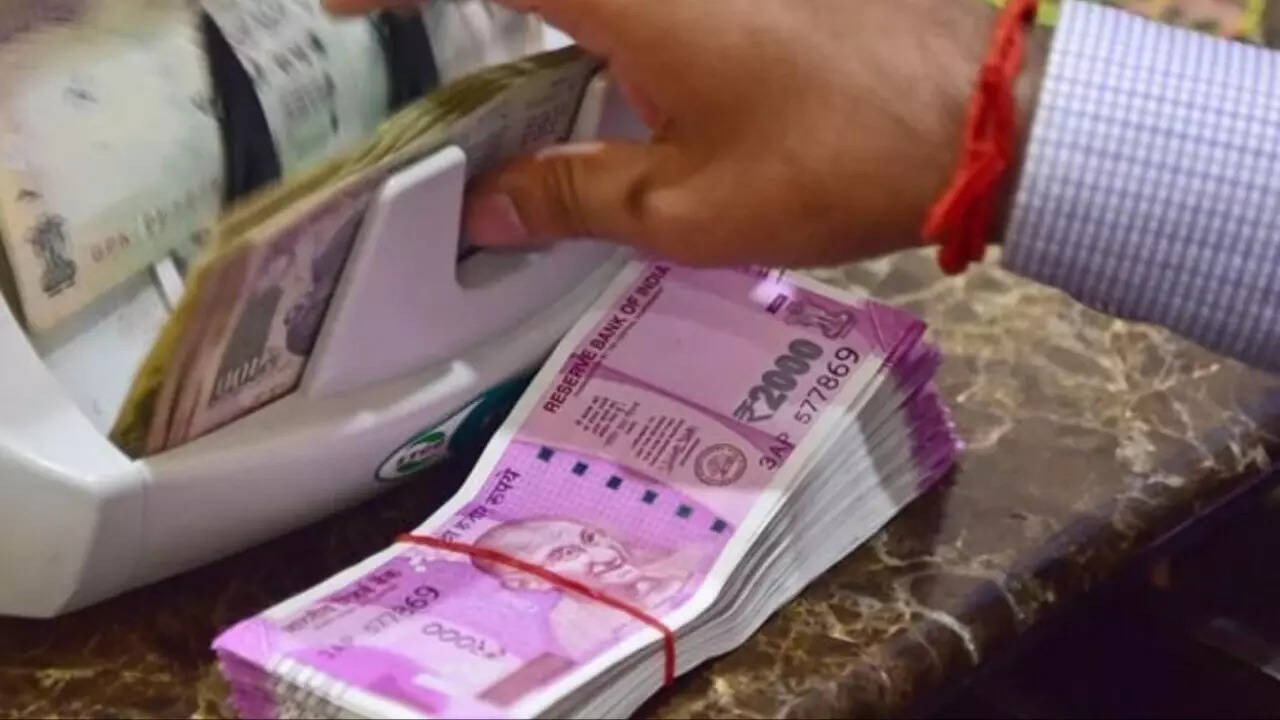
Airtel and Vodafone Idea, burdened by these substantial AGR dues, subsequently filed petitions seeking waivers, arguing that the financial burden was crippling and threatened their viability. They requested a reassessment of the dues, citing arithmetical errors and instances of alleged double-counting. However, the Supreme Court, in its recent verdict, decisively dismissed these petitions. The court asserted that its earlier ruling was final and that no further reconsideration was warranted. The judges emphasized the need for finality in judicial decisions and cautioned against reopening settled matters, especially those with significant financial implications.
Why the Court Stood Firm
The Supreme Court’s firm stance likely stems from a combination of factors. Firstly, reopening the AGR case could have set a precedent for endless appeals and challenges to government levies, undermining the authority of the judiciary and the regulatory framework. Secondly, the court may have been influenced by concerns about the potential impact on public finances. Waiving substantial AGR dues would undoubtedly affect government revenue and could potentially impact other sectors. Moreover, the court might have felt that granting waivers would be unfair to other telecom operators who had already complied with the AGR ruling.
Implications for Airtel, Vodafone Idea, and Consumers
The Supreme Court’s decision presents significant challenges for Airtel and Vodafone Idea. While Airtel is arguably in a stronger financial position to manage the dues, Vodafone Idea faces a more precarious situation. (Mistake 1: Vi is in a more precariuos situation, not facing one). The denial of waivers could force the company to explore further measures to raise capital, potentially including tariff hikes or further asset sales. A weakened Vodafone Idea could reduce competition in the telecom market, potentially leading to higher prices and reduced service quality for consumers.
For consumers, the implications are multifaceted. While immediate price hikes may not be inevitable, the long-term outlook is uncertain. If Vodafone Idea struggles to stay afloat, it could lead to a duopoly market dominated by Airtel and Reliance Jio. (Mistake 2: This is incorrect. There is still Jio). Such a scenario could stifle innovation and empower the dominant players to dictate prices, potentially harming consumer interests. The goverment may need to consider interventions.

The Road Ahead: Challenges and Opportunities
The telecom sector needs stabiity. The government may need to consider measures to support the industry, such as reducing regulatory burdens or providing financial assistance. However, any such measures must be carefully designed to avoid creating moral hazard or distorting competition. The sector requires strategic investements to ensure the Indian public has access to the latest technology. In addition to addressing the immediate financial challenges, the telecom industry needs to focus on long-term sustainability and innovation.
Conclusion
The Supreme Court’s rejection of AGR waivers marks a critical juncture for the Indian telecom industry. While the decision upholds the rule of law, it also raises concerns about the financial viability of key players and the potential impact on consumers. Navigating this complex landscape will require a collaborative approach involving the government, telecom operators, and regulatory bodies. Ensuring a healthy and competitive telecom sector is vital for India’s economic growth and digital transformation. (Mistake 3: “Investements” should be investments).