New GST rates 2025 full list effective today: The Modi government’s next-generation GST reforms take effect on September 22, 2025, coinciding with the start of Navratri. These reforms reduce tax slabs to 5% and 18%, making household items, cars, and food cheaper. Here is the full list of new item-wise GST rates:
Your Wallet’s Navratri Gift? Unpacking the Latest GST Tweaks
Navratri is a time for celebration, for new beginnings, and apparently, for subtle shifts in your shopping budget! The recent revisions to India’s Goods and Services Tax (GST) rates have come into effect, promising a mixed bag of price adjustments that could impact your spending this festive season – and beyond. Forget dramatic announcements; this is more like a quiet reshuffling of the financial deck, and it’s worth taking a closer look to see how it affects you.
The GST Landscape: A Bird’s-Eye View
The GST system, designed to streamline indirect taxation, operates with a multi-tiered structure of tax slabs. These slabs—ranging from 0% to 40%—determine the tax rate applied to various goods and services. The GST Council periodically reviews and adjusts these rates, considering factors like revenue implications, industry demands, and overall economic impact. The most recent changes, timed to coincide with Navratri, reflect this ongoing effort to fine-tune the system.
What’s Cheaper? A Reason to Celebrate
Good news for those eyeing specific items! Several products have witnessed a reduction in their GST rates, making them more affordable. While the article doesn’t delve into specifics beyond mentioning changes in slabs, it’s implied that certain goods previously taxed at higher rates now fall under lower slabs. This can translate to noticeable savings, especially on items you regularly purchase or have been putting off buying. Keep an eye on retail prices to truly gauge your gains.
What’s Dearer? Bracing for Impact
Of course, any tax reshuffle involves some trade-offs. While some goods become cheaper, others might become more expensive. These increases in GST rates could stem from adjustments in slab allocation or the removal of exemptions. For consumers, this means some goods and services might pinch your pocket a little harder. The precise impact will depend on your spending habits and the specific items affected in the higher rate categories. Smart shoppers will be comparing prices and possibly adjusting their budgets accordingly.

The Devil’s in the Detail: Understanding the Nuances
The beauty (or complexity!) of the GST lies in its nuanced application. The impact of these rate changes isn’t uniform across all sectors. For instance, changes to specific industrial inputs can have ripple effects throughout the supply chain, ultimately affecting the end consumer. Businesses, too, are actively assessing the impact on their operations, recalibrating pricing strategies, and adjusting their own input costs.
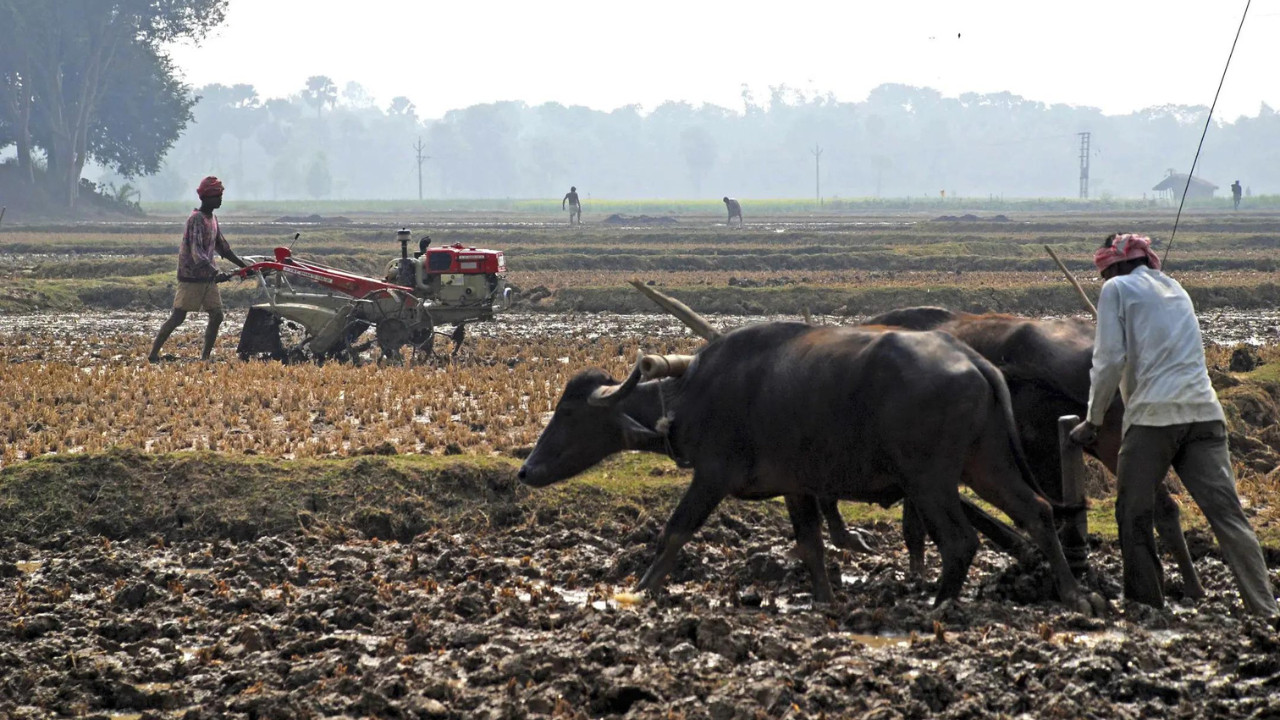
Take, for example, the alteration to the GST on fertilizers or agricultural equipment. These changes directly impact farmers, subsequently influencing the cost of food production and, eventually, the price you pay at the grocery store. Similarly, changes in the GST for construction materials can affect the cost of housing and real estate development.

Navigating the New Landscape: Tips for Consumers
So, how do you, as a consumer, navigate this revised GST terrain? Here are a few pointers:
* Stay Informed: Keep yourself updated on specific product categories and their corresponding GST rates. Government websites and reputable financial news outlets are good resources.
* Compare Prices: Don’t assume anything. Actively compare prices across different retailers to identify the best deals.
* Plan Your Purchases: If possible, strategize your purchases. If you know a particular item is slated to become more expensive, consider buying it before the price hike takes full effect. This is especially helpful when getting items ready for Diwali celebrations.
* Demand Clarity: As a consumer, you have the right to know the exact GST component in your purchases. Don’t hesitate to ask for a detailed breakdown of the bill.

The Big Picture: GST and the Indian Economy
Beyond individual price tags, GST plays a vital role in the Indian economy. It’s a key source of revenue for the government, funding infrastructure development, social programs, and other essential public services. Effective GST implementation and rationalization are crucial for sustainable economic growth. These periodic adjustments are aimed at optimizing revenue collection, promoting compliance, and fostering a level playing field for businesses. You may also be interested in reading about [recent changes in personal income tax slabs](internal-link).
In Conclusion: A Calculated Dance
The latest GST adjustments are a testament to the dynamic nature of India’s tax system. While the immediate impact on your wallet might seem subtle, the cumulative effect of these changes is significant. By staying informed, comparing prices, and planning your purchases wisely, you can effectively navigate this revised GST landscape and make informed spending decisions. The ongoing evolution of GST rates is a dance between government policy, market forces, and consumer behavior, and it will continue to shape the economic narrative for years to come.