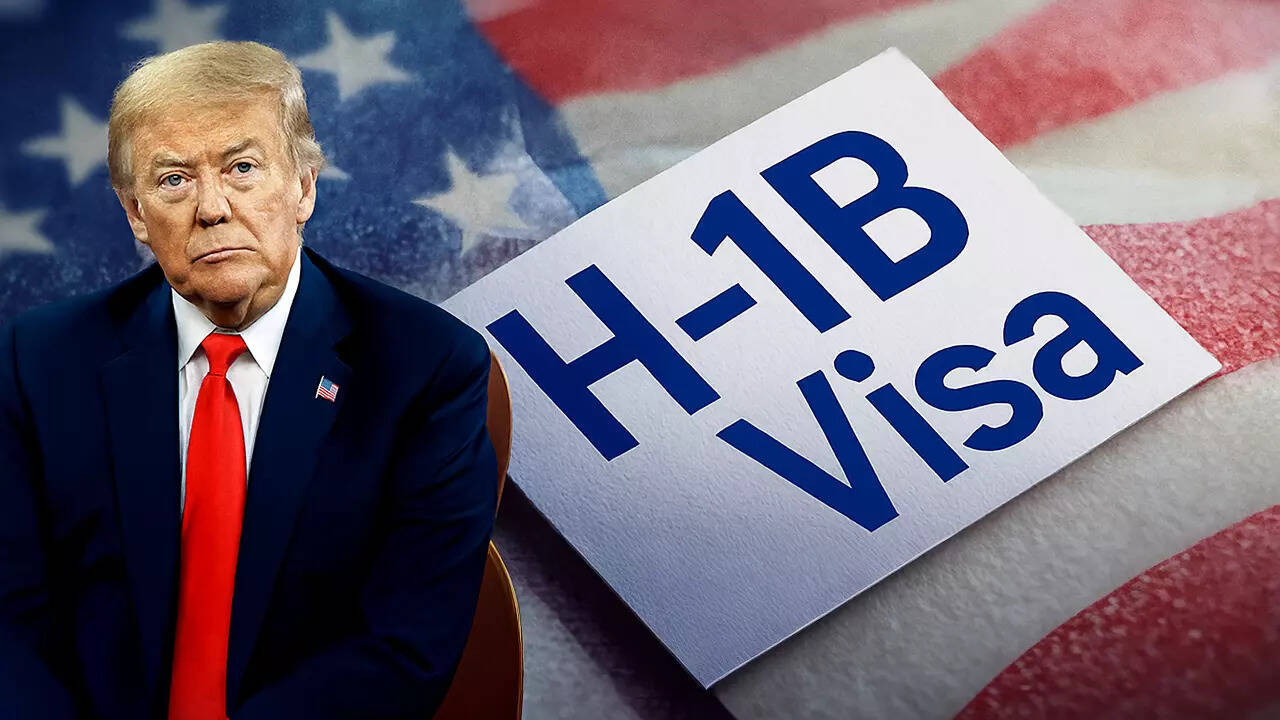
The Trump administration’s proposed H-1B weighted visa system, prioritizing higher-paid applicants, might not be detrimental for Indian IT. Experts suggest it could be less harmful, potentially benefiting firms recruiting experienced professionals in Wage Levels II and III.
Navigating the H-1B Visa Maze: How a New System Could Shake Things Up
The race for an H-1B visa, the golden ticket for skilled foreign workers dreaming of a U.S. career, just got a whole lot more interesting. For years, the process has felt like a high-stakes lottery, leaving employers and prospective employees alike in a state of anxious anticipation. But now, the U.S. Citizenship and Immigration Services (USCIS) is poised to roll out a new “weighted lottery” selection process after a recent fee hike, and the implications for Indian IT professionals, a dominant force in the H-1B landscape, are significant. Could this shift spell smoother sailing, or will it create even choppier waters?
Understanding the H-1B Visa Fee Increase and Weighted Lottery
So, what’s changing? Essentially, the traditional lottery system, where each applicant had an equal shot regardless of the number of petitions filed on their behalf, is being replaced. Now, USCIS plans to select beneficiaries based on unique beneficiaries rather than registration.

This means employers who submit multiple petitions for the same individual won’t have a statistical advantage. The idea is to level the playing field and reduce the potential for gaming the system. Each company must provide passport information and other critical data points of potential employees. This aims to stop employers from submitting multiple applications to improve their chances.
The fee increase tied to H-1B petitions also plays a crucial role. The price for registering for the H-1B lottery has seen a substantial jump, designed to offset the costs associated with administering the program and, perhaps, discouraging frivolous or duplicate filings. This higher price point could change employer strategy and the total volume of applications received.

What This Means for Indian IT Professionals Seeking an H-1B Visa
For Indian IT professionals, who have historically comprised a large percentage of H-1B recipients, these changes bring both potential benefits and challenges.
On one hand, the shift to a weighted lottery could be seen as a positive step. By eliminating the advantage previously held by companies submitting multiple petitions for the same person, the new system could increase the odds for individuals working with smaller firms or those who might have been overlooked in the past. Smaller companies can’t afford to submit as many applications for the same employee, so the move to weighted lotteries may help their potential employees. The updated system could broaden the range of companies that find success in the H-1B lottery.
However, the fee increase could also present a hurdle. Companies, especially smaller ones or startups, might be more selective in choosing which candidates to sponsor, potentially reducing the overall number of H-1B petitions filed. This increased selectivity could create a more competitive environment, even with the weighted lottery aiming for fairness. While larger consulting firms based in India might still participate, the higher prices could deter smaller Indian companies from trying to bring employees to the U.S.
Beyond the Lottery: Other Factors at Play
It’s also important to remember that the H-1B visa process is influenced by a multitude of factors beyond the lottery itself. The overall state of the U.S. economy, the demand for specific tech skills, and even geopolitical considerations can impact the number of visas issued each year. The Biden administration may also play a part, based on its overall immigration policies.
For example, the rise of remote work could lead some companies to rethink their need for H-1B visas, opting instead to hire talent abroad and manage them remotely. Conversely, a surge in demand for artificial intelligence specialists or cybersecurity experts could drive up the need for H-1B visas in those specific fields.
Strategizing for Success in the New H-1B Landscape
So, what can prospective H-1B applicants and their employers do to navigate this evolving landscape?

* Focus on Specialized Skills: Emphasize skills that are in high demand in the U.S. job market. Building a strong portfolio and demonstrating expertise in niche areas can significantly increase your chances.
* Network and Build Relationships: Connect with U.S. companies and recruiters. Building relationships can open doors and increase your visibility.
* Ensure Accurate and Complete Applications: Errors or omissions in your application can lead to delays or even rejection. Double-check every detail before submitting.
* Consider Alternative Visa Options: Explore other visa options, such as the L-1 visa for intracompany transferees or the O-1 visa for individuals with extraordinary ability.
The H-1B Visa’s Future
The changes to the H-1B visa program represent a significant shift, and the full impact remains to be seen. While the new weighted lottery aims to create a more equitable selection process, the fee increase could introduce new challenges. Indian IT professionals, a key demographic in the H-1B landscape, will need to adapt and strategize to maximize their chances of success. The future of the H-1B program relies on several factors, from the lottery to overall hiring needs.
These changes are one part of a larger shift in immigration policy, which you can explore on our [immigration law resources page](internal-link-to-related-immigration-content). The H-1B visa still offers opportunities to foreign workers, despite the new complications. Only time will tell how the landscape develops.