Finance Minister Nirmala Sitharaman plans a major customs reform. This initiative aims to simplify compliance and increase transparency. These changes will follow earlier tax reforms. The government will also review customs duty rates. Announcements are expected in the upcoming Union Budget. The rupee’s depreciation is also addressed. Economic growth is projected to remain strong.
Simplifying Trade: Could Customs Duty Rationalization Be on the Horizon?
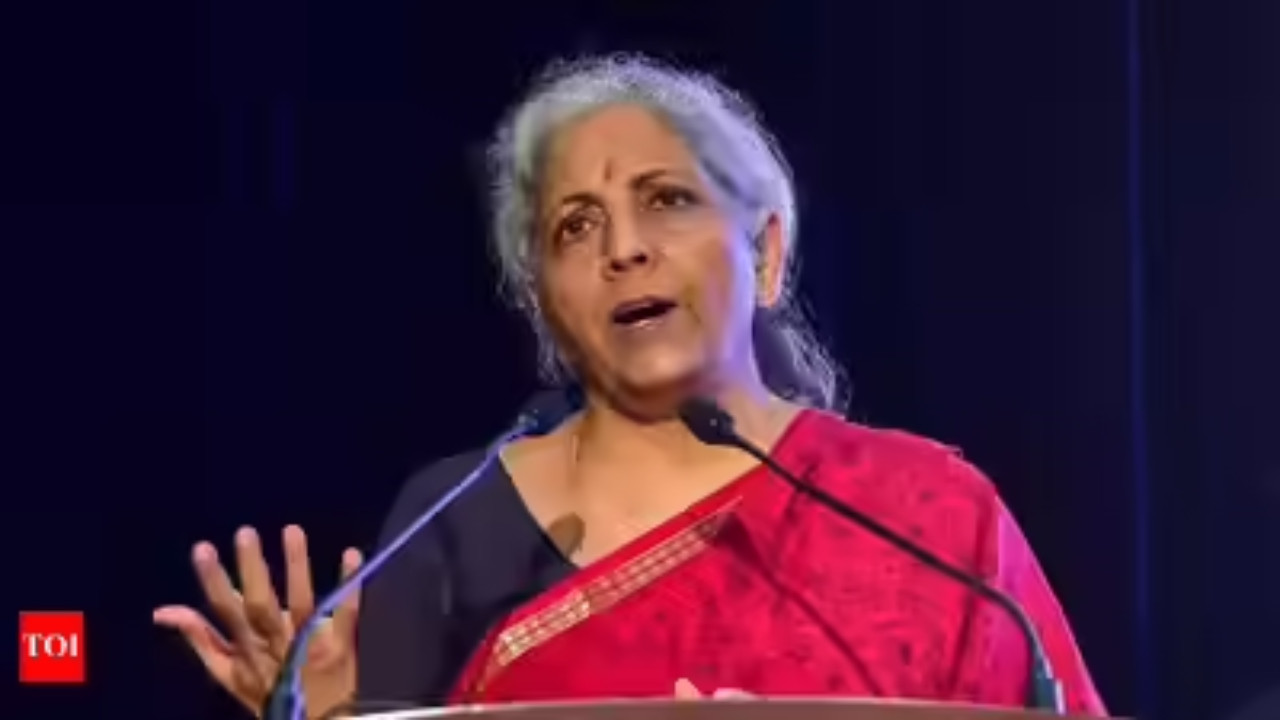
The air crackled with anticipation at a recent event in Mumbai. Finance Minister Nirmala Sitharaman, addressing industry leaders, dropped hints about a potential overhaul of India’s customs processes and tariff structures. While specifics remained closely guarded, the message was clear: the government is actively exploring ways to streamline trade and boost competitiveness. This isn’t just about tweaking a few numbers; it’s about fundamentally rethinking how India engages with the global economy.
The Finance Minister specifically emphasized the need for simplification and digitization within the customs framework. She spoke about reducing red tape, promoting transparency, and leveraging technology to expedite clearance procedures. This resonates deeply with businesses that have long struggled with bureaucratic hurdles and lengthy delays. The aim? To foster a more predictable and efficient trading environment, attracting investment and fueling export growth.
<img src="image-of-customs-official-inspecting-goods.jpg" alt="A customs official inspecting goods as part of the customs duty rationalization process.”>
Streamlining Customs: A Welcome Change for Businesses
For many businesses, navigating India’s customs regulations can feel like traversing a labyrinth. Complex documentation requirements, multiple layers of approval, and inconsistent interpretation of rules often lead to frustration and increased costs. The promise of simplification and digitization offers a glimmer of hope, suggesting a future where goods flow more freely across borders. This is crucial for India to fully participate in global supply chains and attract foreign direct investment.

Think of a small garment exporter in Tirupur, struggling to meet tight deadlines due to customs delays. Or a technology company importing specialized components, facing uncertainty about tariff classifications. For these businesses, efficiency in customs duty rationalization translates directly into increased profitability and competitiveness. Streamlining processes would allow them to focus on innovation and expansion, rather than getting bogged down in administrative complexities.
The Promise of Duty Rationalization: Making India More Competitive
Beyond procedural reforms, the Finance Minister also alluded to a potential rationalization of customs duties. This is a particularly sensitive area, with implications for both domestic industries and international trade relationships. India’s tariff structure is currently characterized by a wide range of rates, often varying significantly across different product categories. This complexity can create distortions, discourage domestic manufacturing, and hinder participation in global value chains.
Rationalizing customs duties could involve consolidating tariff lines, reducing peak rates, and eliminating exemptions. The goal is to create a more predictable and transparent tariff regime, reducing compliance costs and encouraging efficient resource allocation. However, any such changes would need to be carefully calibrated, taking into account the potential impact on domestic industries and the need to protect strategic sectors.
The Finance Minister’s comments suggest a desire to strike a balance between promoting competitiveness and safeguarding national interests. This requires a nuanced approach, involving extensive consultations with industry stakeholders and careful consideration of the potential consequences. It’s about finding the sweet spot that allows Indian businesses to thrive in the global marketplace while ensuring that the benefits of trade are widely shared. Learn more about supporting the Indian economy via our other resources.
Looking Ahead: What’s Next for Indian Trade?
The Finance Minister’s recent remarks have ignited a flurry of speculation about the upcoming budget. Will we see concrete proposals for customs simplification and duty rationalization? How far will the government be willing to go in reforming India’s trade regime? These are the questions on everyone’s minds.

While the details remain uncertain, one thing is clear: the government recognizes the importance of trade in driving economic growth and creating jobs. By simplifying customs procedures and rationalizing duties, India can unlock its full potential as a global trading power. This requires a bold vision, a commitment to reform, and a willingness to engage with all stakeholders. The next few months will be crucial in shaping the future of Indian trade.
The potential customs duty rationalization in India signals a proactive shift towards global competitiveness. By reducing complexities and modernizing customs procedures, the government is laying the groundwork for stronger trade relationships and a more vibrant economy.