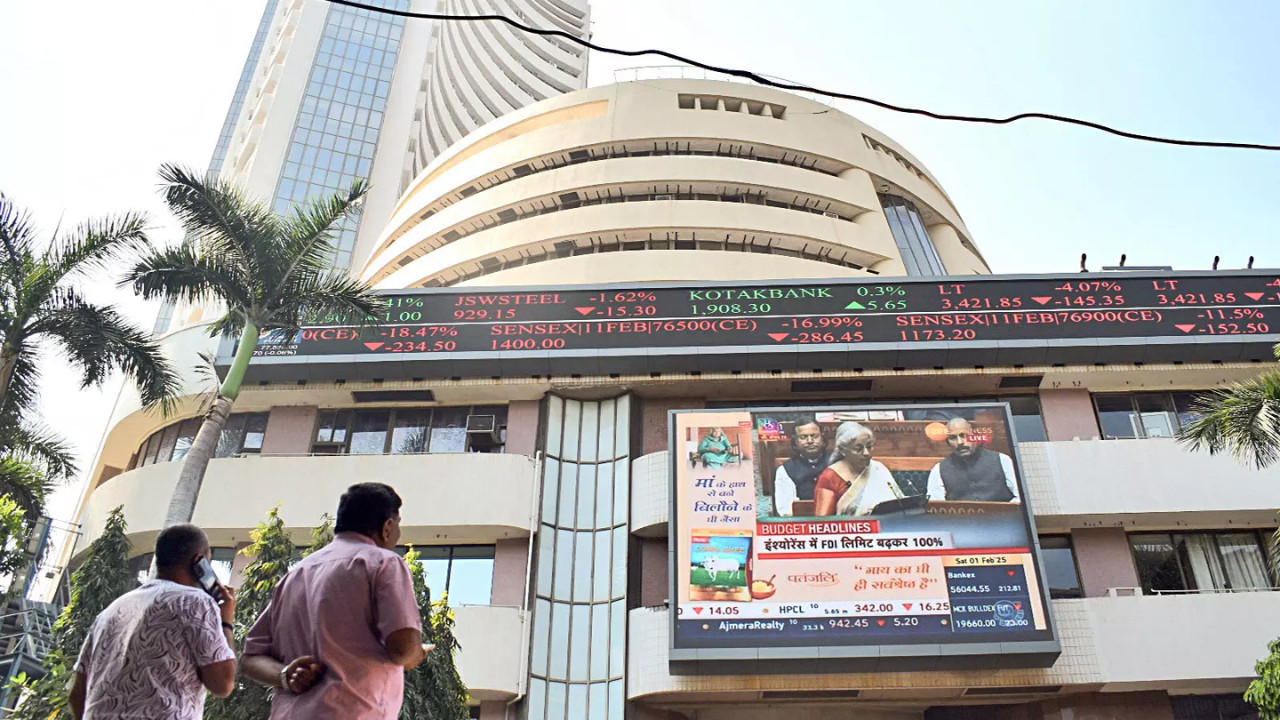
Equity benchmarks concluded last week with a third consecutive winning streak, reaching fresh all-time highs. Global markets were boosted by U.S. Federal Reserve rate cut expectations and hopes for progress in Russia-Ukraine talks. Domestically, strong growth projections supported confidence, despite weak export trends.
Riding the Bull: Decoding the Factors Driving India’s Record-Breaking Market Surge
The Indian stock market is on fire! Both the Nifty and Sensex have been blazing trails, hitting fresh record highs, leaving investors and analysts alike buzzing with anticipation. But what’s fueling this incredible rally? Is it sustainable? And what can we expect in the week ahead? Let’s dive into the key factors shaping the market’s trajectory.
RBI’s Monetary Policy: A Central Piece of the Puzzle
All eyes are glued to the Reserve Bank of India’s (RBI) Monetary Policy Committee (MPC) meeting. Its outcome could be a major catalyst for market movement. Will the RBI maintain its current stance, or will it signal a shift in its approach to inflation and interest rates? Any surprises from the MPC could send ripples through the market, impacting everything from banking stocks to consumer spending. Expect heightened volatility around the announcement.
Global Cues: Navigating the International Waters
The Indian market doesn’t exist in a vacuum. Global economic trends, geopolitical events, and the performance of international markets all play a significant role. Keep a close watch on developments in the US and European markets, as well as any shifts in global trade dynamics. For instance, rising oil prices or escalating trade tensions could dampen investor sentiment, potentially leading to a market correction.
Foreign Fund Flows: The Inflow Impact
Foreign Portfolio Investors (FPIs) have been significant contributors to the recent market rally. Their investment decisions can have a substantial impact on Indian stocks. Monitoring the trend of FPI inflows and outflows is crucial. A continued influx of foreign funds could further propel the market upwards, while a sudden reversal could trigger a downturn.

Corporate Earnings: Reading the Tea Leaves
The ongoing earnings season provides valuable insights into the financial health of Indian companies. Strong earnings reports and positive management commentary can boost investor confidence and drive stock prices higher. Conversely, disappointing results could lead to selling pressure. Analyzing corporate earnings trends across various sectors is essential for making informed investment decisions. Investors should pay close attention to profit margins, revenue growth, and future guidance.
Technical Indicators: Unveiling Market Signals
Technical analysts rely on charts and indicators to identify patterns and predict future price movements. Key technical levels, such as support and resistance, can provide valuable clues about potential entry and exit points. Keep an eye on indicators like the Relative Strength Index (RSI) and Moving Averages to gauge the market’s momentum and identify potential overbought or oversold conditions.

Domestic Macroeconomic Data: Building a Foundation
The health of the Indian economy is a fundamental driver of the stock market. Keep tabs on key macroeconomic data releases, such as GDP growth, inflation figures, and industrial production numbers. Positive economic data typically boosts market sentiment, while negative data can trigger concerns about future growth prospects. Government policies and reforms also play a crucial role in shaping the macroeconomic landscape.
Sector-Specific Trends: Identifying Opportunities

Different sectors of the Indian economy perform differently at various times. Identifying sectors that are poised for growth can lead to lucrative investment opportunities. For instance, the infrastructure sector could benefit from increased government spending, while the IT sector may continue to thrive due to global demand for digital services. Analyzing sector-specific trends and identifying emerging winners is crucial for portfolio diversification.
Investor Sentiment: The Human Factor
Ultimately, the stock market is driven by human emotions and expectations. Investor sentiment can swing wildly, influenced by news headlines, social media chatter, and even personal biases. Gauging investor sentiment is difficult but important. Fear and greed can often drive irrational market behavior, leading to bubbles and crashes. Understanding the prevailing sentiment and avoiding herd mentality is key to successful investing. We have covered similar market analysis on our platform, find more insights about navigating market fluctuations [here](internal-link-to-related-article).
Navigating the Week Ahead: Caution and Opportunity
The Indian stock market is currently riding a wave of optimism, but it’s important to remain cautious. While the long-term outlook for the Indian economy remains positive, short-term volatility is inevitable. Investors should focus on fundamentally sound companies with strong growth prospects and avoid getting caught up in speculative bubbles. Diversification, disciplined investing, and a long-term perspective are crucial for navigating the market’s ups and downs. The Indian Stock Market rally is exciting, but prudent decision-making is paramount.
In conclusion, the confluence of factors – from the RBI’s monetary policy to global cues and investor sentiment – are shaping the current market landscape. Staying informed, analyzing data diligently, and maintaining a disciplined approach will be key to capitalizing on the opportunities that lie ahead.