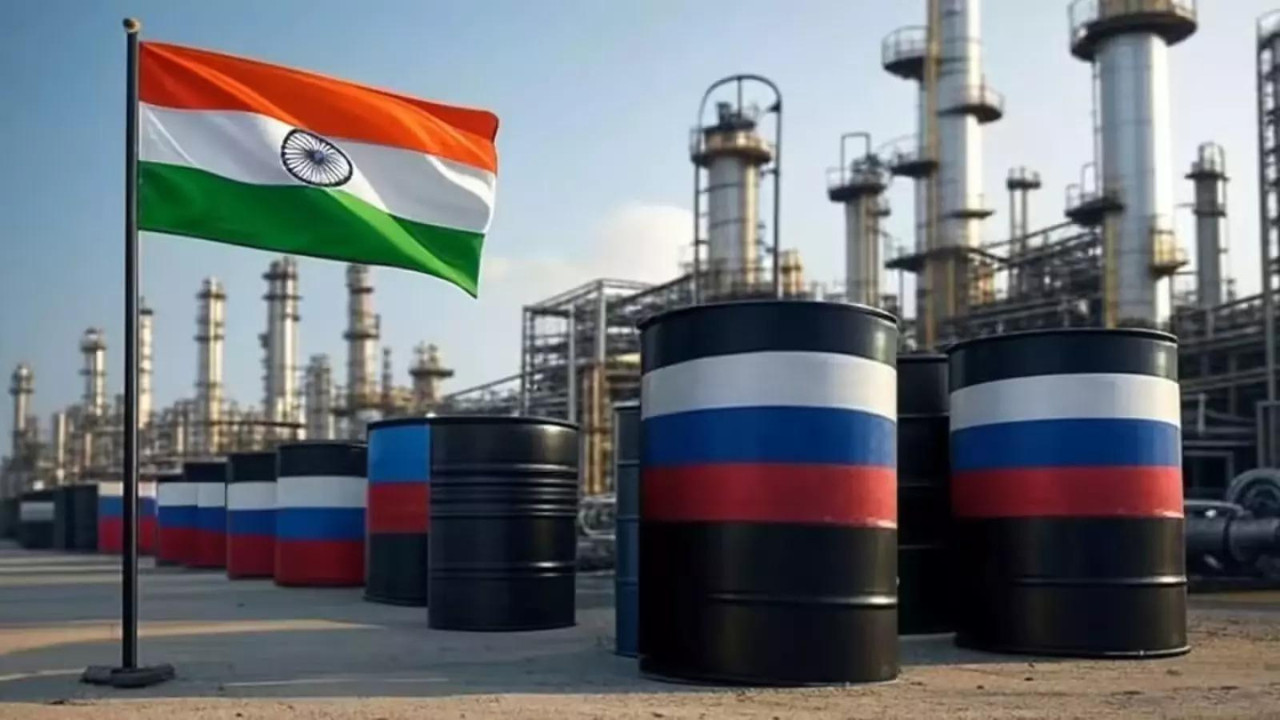
Despite US pressure, Indian Oil Corporation has ordered five Russian crude oil shipments for December delivery from non-sanctioned entities. While some Indian refiners have suspended purchases due to sanctions, IOC plans to continue procuring Russian crude as long as it complies with regulations.
India’s Unwavering Energy Strategy: Why Russian Oil Remains in the Mix
The global energy landscape is a complex chessboard, with nations strategically positioning themselves for long-term security and economic advantage. Recent headlines have buzzed with discussions about India’s continued procurement of Russian oil, especially considering geopolitical pressures. But digging deeper reveals a calculated strategy driven by India’s energy needs and economic considerations. The picture isn’t simply black and white.
India, a nation with a rapidly growing economy and a burgeoning population, has an insatiable appetite for energy. This demand translates to a critical need for reliable and affordable oil supplies. Meeting this need often means navigating a complex web of international relations and economic realities. And right now, that web involves Russian oil.
How India Secures Its Russian Oil Supply
Despite external pressures, India has maintained a consistent flow of Russian crude oil, buying it from entities not subject to sanctions. This is a key point to understand: India isn’t necessarily flouting international sanctions, but rather working within the established framework, sourcing oil from Russian companies and intermediaries that aren’t directly targeted. It’s a delicate dance, but one that allows India to secure crucial resources at competitive prices.
The Indian government has consistently emphasized that its oil purchases are driven by national interest. The country believes that ensuring energy security for its citizens is paramount. Think of it as a basic survival need – fueling industry, powering homes, and keeping the economy running. The purchase decisions are made based on commercial considerations, prioritizing affordability and availability. Diversification of sources remains important; however, when Russian oil presents a financially attractive option, it’s difficult to ignore.

The Economic Factors Influencing India’s Decision
The economic advantages of importing Russian oil are significant. Often, Russian crude is offered at a discount compared to other sources. This price difference can translate into substantial savings for Indian refineries and ultimately, lower costs for consumers. In a price-sensitive market like India, these cost savings are crucial for maintaining economic stability and competitiveness.
Furthermore, diversifying its oil sources reduces India’s reliance on traditional suppliers. Depending on a single region or a small group of countries for energy needs can create vulnerabilities to price fluctuations and geopolitical instability. By sourcing from multiple regions, including Russia, India mitigates these risks and ensures a more stable energy supply.
No Impact of Trump Pressure? A Broader Perspective
The initial reports suggested that “no impact of Trump pressure” was felt on India’s oil-buying decisions. While specific political pressure from any single entity may or may not have a direct effect, the broader geopolitical landscape undeniably influences these decisions. India operates within a globalized economy and is keenly aware of international relations. However, its energy strategy is ultimately determined by its own national interests and economic realities.
The relationship between India and Russia extends beyond oil trade. There are longstanding strategic partnerships and diplomatic ties that further complicate the picture. India’s approach to Russian oil should be viewed within the context of these multifaceted relationships. The country needs to maintain critical infrastructure and supplies, so  decisions on where to procure that oil are carefully considered.
The Future of India’s Energy Strategy
Looking ahead, India’s energy strategy will likely continue to evolve. While Russian oil remains a significant part of the equation for now, the country is also investing heavily in renewable energy sources and exploring alternative fuels. The long-term goal is to create a more sustainable and diversified energy mix, reducing dependence on any single source. India’s commitment to green energy is exemplified in its ambitious solar and wind power projects. This is bolstered by a national green hydrogen mission, creating a pathway for alternative energy sources. (Related content: [link to article on India’s renewable energy goals]).

Ultimately, India’s energy decisions are driven by a pragmatic assessment of its needs and resources. The country is navigating a complex geopolitical landscape while prioritizing its own economic development and energy security. This strategy, while subject to scrutiny, reflects a nation determined to secure its future in a rapidly changing world.
Key Takeaways
India’s continued purchase of Russian oil is a calculated move based on economic necessity and energy security. It reflects a commitment to meeting the growing energy demands of a rapidly developing nation while mitigating risks through diversification. While external pressures and geopolitical factors undoubtedly play a role, India’s energy strategy is ultimately driven by its own national interests and long-term goals.