The government has confirmed no current plans for merging public sector banks. Foreign Direct Investment limits in banks have been detailed. The sale of IDBI Bank is proceeding as planned, with significant stakes being divested by the government and LIC. Regional Rural Banks have shown strong financial performance, achieving record profits.
No Mega-Mergers on the Horizon for Public Sector Banks, Says Government
The rumor mill has been churning, fueled by speculation about potential consolidation within India’s public sector banking landscape. But put those merger predictions to rest, at least for now. The government has stepped forward to clarify that there are currently no plans to initiate a fresh wave of mergers involving public sector banks (PSBs). This announcement comes as a welcome sigh of relief for some, and perhaps a disappointment for others who anticipated further restructuring within the sector.
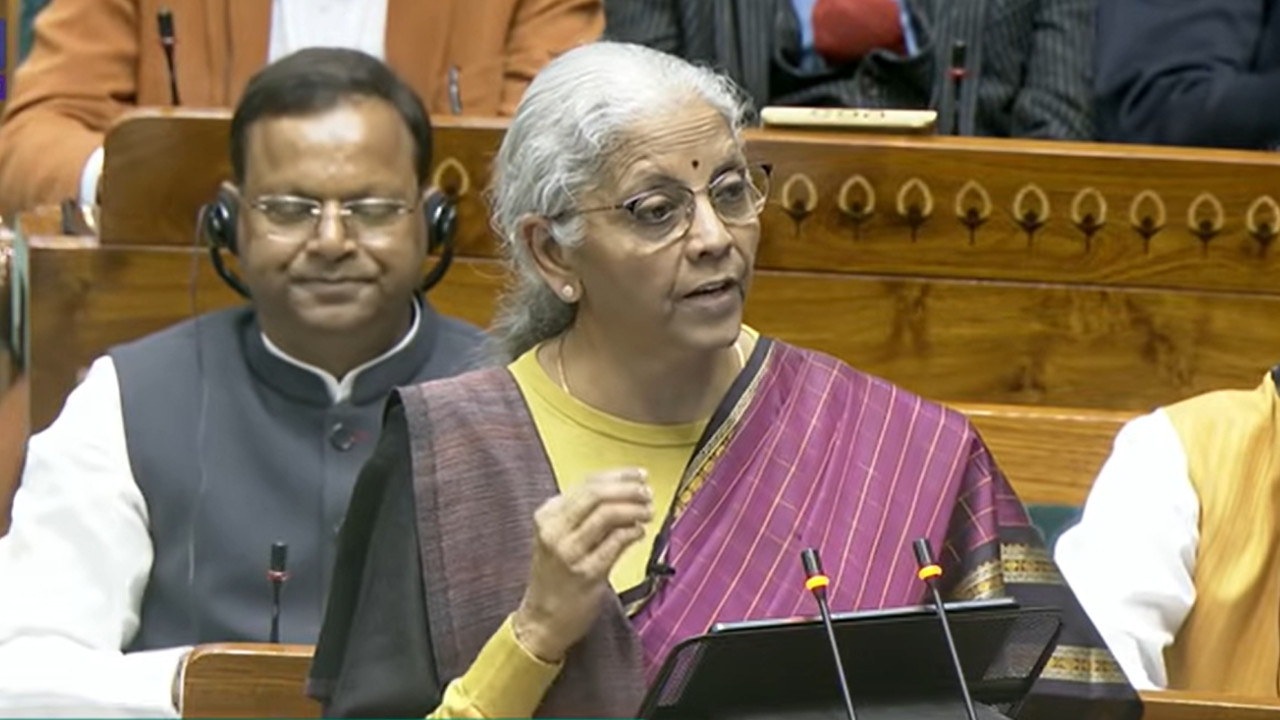
The clarification arrived via Minister of State for Finance, Bhagwat Karad, who addressed concerns and questions surrounding the future of PSBs. Karad’s statements aimed to quell any uncertainties circulating within the financial community and among the general public. This news offers a sense of stability, assuring stakeholders that the government is focused on organic growth and efficiency improvements within the existing PSB framework rather than pursuing large-scale consolidation.
Why the Merger Speculation?
The buzz around potential PSB mergers isn’t entirely unfounded. In recent years, India has witnessed significant consolidation in the banking sector. The government spearheaded a series of mergers with the objective of creating stronger, more competitive banks capable of supporting the nation’s growing economy. These previous mergers aimed to enhance operational efficiency, reduce NPAs (Non-Performing Assets), and improve the overall financial health of the participating banks. Some notable examples include the merger of Dena Bank and Vijaya Bank with Bank of Baroda, and the amalgamation of several associate banks into State Bank of India. Given this history, the speculation about further mergers was, to some extent, a natural consequence.

However, the current focus appears to be on allowing the already merged entities to fully integrate and realize the intended benefits of those prior consolidations. The government likely wants to assess the long-term impact of these mergers before embarking on another round of large-scale restructuring. This measured approach suggests a commitment to careful planning and data-driven decision-making in shaping the future of India’s banking sector.

FDI Inflows and the IDBI Bank Offloading Plan
While large-scale public sector bank mergers are off the table, the government remains actively engaged in other strategic initiatives within the financial sector. A key area of focus is attracting Foreign Direct Investment (FDI) to bolster economic growth and support various developmental projects. Karad highlighted the government’s commitment to creating a conducive environment for FDI, emphasizing policies designed to streamline investment processes and encourage foreign participation in key sectors.
Furthermore, the government is moving forward with its plan to offload its stake in IDBI Bank. This strategic disinvestment is a significant step towards privatization and is expected to attract considerable interest from both domestic and international investors. The offloading of IDBI Bank aligns with the government’s broader agenda of reducing its ownership in non-strategic sectors and improving the efficiency of public resources. The proceeds from this sale are expected to contribute to the government’s fiscal goals and potentially fund other priority areas. Find out more about the impact of previous bank reforms on our [dedicated finance page](internal-link-to-related-content).

Focus on Strengthening Existing PSBs
The absence of immediate merger plans doesn’t imply stagnation. The government is emphasizing a different path forward, one centered on strengthening the existing public sector banks. This involves a multi-pronged approach encompassing improved governance, enhanced risk management practices, and greater adoption of technology. The goal is to make PSBs more resilient, efficient, and competitive in the evolving financial landscape.
Initiatives aimed at reducing NPAs remain a top priority. By tackling the issue of bad loans, PSBs can free up capital for lending and contribute more effectively to economic growth. Furthermore, the government is encouraging PSBs to embrace digital transformation, leveraging technology to enhance customer service, improve operational efficiency, and expand their reach to underserved populations. This focus on internal improvements and technological advancement signals a commitment to sustainable growth and long-term competitiveness for India’s public sector banks.
A Period of Consolidation and Growth?
The government’s recent clarification offers a clear message: for the time being, large-scale public sector bank mergers are not on the agenda. Instead, the focus is on consolidating the gains from previous mergers, attracting foreign investment, and strengthening the existing PSBs through improved governance, risk management, and technological adoption. This strategy suggests a period of internal growth and refinement, aimed at building a more robust and efficient public banking sector capable of supporting India’s economic ambitions. While the future remains dynamic, this current direction provides a degree of certainty and allows stakeholders to focus on optimizing the existing financial infrastructure.