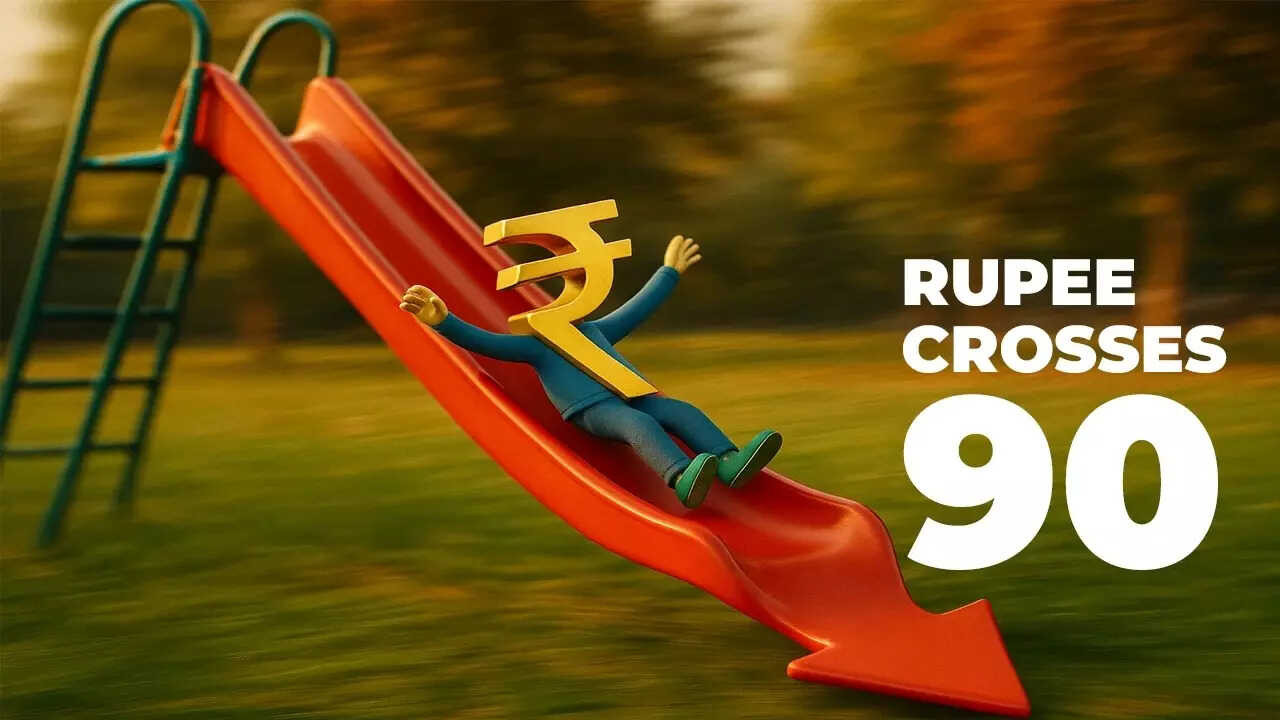
India’s rupee hit a historic low of 90.30 against the US dollar, yet the government remains unconcerned. Chief Economic Adviser V Anantha Nageswaran stated the depreciation hasn’t impacted inflation or exports, expressing optimism for a recovery next year. Factors like FII outflows and dollar demand are influencing the currency’s slide.
Is a Weaker Rupee Really Something to Worry About? India’s Economic Chief Weighs In
The headlines scream: “Rupee Plunges!”, “Dollar Dominates!”, “Economic Crisis Looming?”. It’s enough to make anyone reach for their wallet and wonder what’s in store. But is the weakening rupee against the US dollar really a cause for panic?
India’s Chief Economic Advisor (CEA), V. Anantha Nageswaran, offers a surprisingly calm perspective amidst the financial fray. He suggests that the narrative surrounding the falling rupee might be more sensational than substantial. Instead of hitting the panic button, he encourages a deeper dive into the factors at play.
So, what’s fueling this apparent indifference to the rupee’s movement?
Understanding the Context: It’s Not Just About the Rupee
Nageswaran emphasizes that focusing solely on the rupee’s exchange rate in isolation paints an incomplete picture. The dollar, he points out, is experiencing a period of broad strength against multiple currencies, not just the Indian rupee. This dollar strength is driven by several interconnected factors, including the US Federal Reserve’s aggressive interest rate hikes aimed at curbing inflation. These hikes make dollar-denominated assets more attractive to investors, leading to increased demand and a stronger dollar.
Think of it like this: it’s not just that the rupee is getting weaker, it’s that the dollar is getting stronger, pulling other currencies along with it. Therefore, the falling rupee needs to be looked at in the context of other major global currencies’ performances against the dollar, and the reasons behind a strengthened dollar globally.

The Indian Economy: Resilient and Diversified
Another critical point that Nageswaran stresses is the underlying strength and resilience of the Indian economy. India has demonstrated remarkable economic growth in recent quarters, buoyed by a robust domestic demand. This internal strength provides a buffer against external shocks, including currency fluctuations.
India’s economic diversity is another key factor. The country isn’t solely reliant on exports; a significant portion of its economic activity is driven by domestic consumption and investment. This diversification reduces the impact of a weaker rupee on the overall economy.

Focusing on Long-Term Fundamentals
The CEA advocates for a focus on long-term economic fundamentals rather than getting caught up in short-term currency movements. These fundamentals include things like sustainable growth, fiscal discipline, and structural reforms. While a falling rupee might create short-term challenges, a strong foundation allows the economy to weather these storms more effectively.
Nageswaran is confident that the Indian economy is on a sustainable growth path. He highlights the government’s commitment to infrastructure development, manufacturing sector growth, and improved ease of doing business as key drivers of long-term economic prosperity.
For instance, India’s Production Linked Incentive (PLI) schemes are incentivizing companies to boost domestic manufacturing. Read more about the positive effects of government incentives on our [impact investing page](/impact-investing).

Managing Volatility, Not Fighting the Market
Instead of attempting to artificially prop up the rupee, Nageswaran believes in managing volatility. He suggests that the Reserve Bank of India (RBI) should intervene in the currency market only to prevent excessive fluctuations, not to dictate the exchange rate. This approach acknowledges the market forces at play and aims to maintain stability without distorting the price discovery process.
The Bottom Line: A Balanced Perspective
While a falling rupee certainly warrants attention, it’s crucial to avoid knee-jerk reactions and panic-driven narratives. India’s Chief Economic Advisor offers a refreshing perspective, emphasizing the importance of understanding the global context, recognizing the underlying strength of the Indian economy, and focusing on long-term fundamentals. A balanced approach to managing volatility, rather than fighting market forces, seems to be the preferred strategy.
Instead of losing sleep over the rupee’s movement, perhaps it’s time to focus on the bigger picture: a resilient Indian economy navigating a complex global landscape.