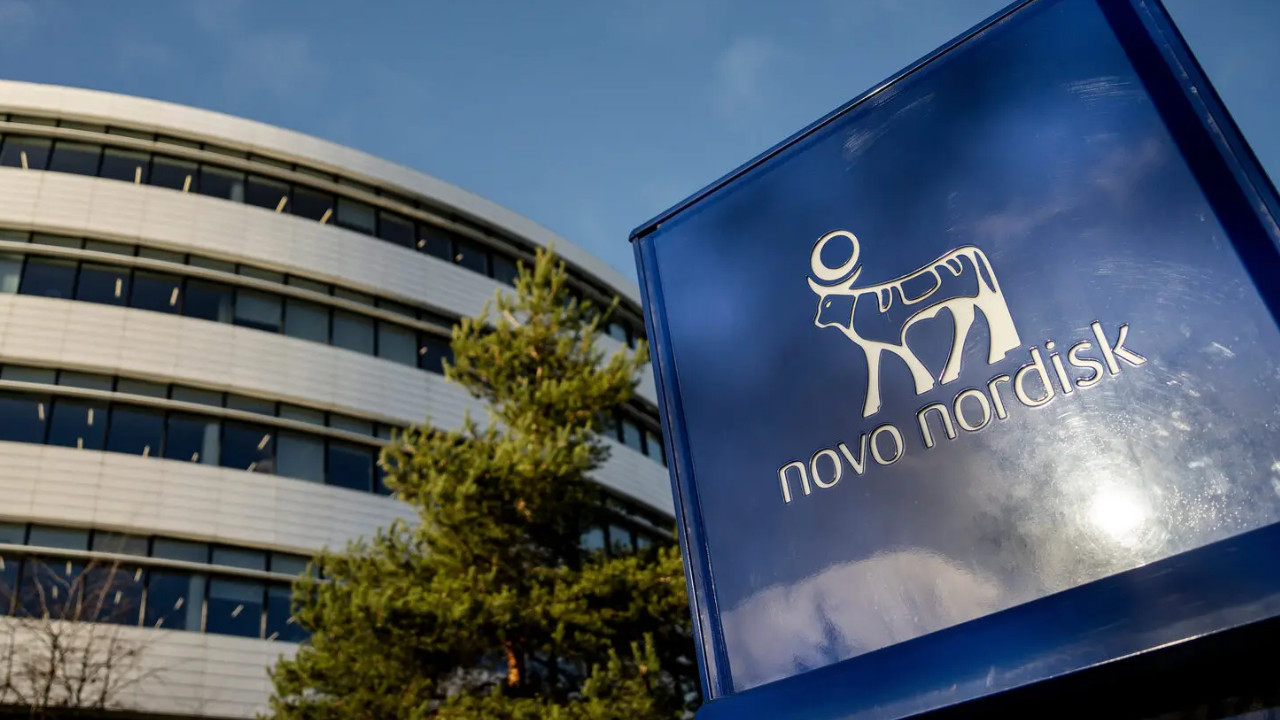
Novo Nordisk, maker of Ozempic and Wegovy, lowered its 2025 sales outlook for the fourth time, citing slower growth in diabetes and obesity treatments. The company announced 9,000 job cuts and is in a bidding war with Pfizer for Metsera, raising its offer to $10 billion.
Ozempic’s Ripple Effect: Novo Nordisk Navigates Choppy Waters
The Danish pharmaceutical giant Novo Nordisk, the name behind blockbuster drugs like Ozempic and Wegovy, recently released its Q3 results, revealing a complex picture. While demand for their weight-loss and diabetes medications continues to surge, the company is simultaneously navigating some significant headwinds, resulting in a dip in profits and a restructuring plan that includes a substantial reduction in its workforce. What’s driving this dynamic, and what does it mean for the future of Novo Nordisk and the market for these revolutionary drugs?
The headline figures tell part of the story. Novo Nordisk’s Q3 profits fell by 27% – a stark contrast to the soaring sales of Ozempic and Wegovy that have dominated headlines. However, digging deeper reveals that these figures aren’t necessarily indicative of a crisis. Several factors contribute to this apparent paradox, most notably increased competition, pricing pressures, and strategic investments in research and development to fuel future growth.

One crucial element is the evolving competitive landscape. While Novo Nordisk has enjoyed a significant first-mover advantage in the GLP-1 receptor agonist market, other pharmaceutical companies are rapidly developing and launching their own competing products. This increased competition is naturally putting downward pressure on prices and impacting Novo Nordisk’s overall profitability. As more players enter the field, the market share will inevitably become more fragmented.

Furthermore, Novo Nordisk is proactively investing heavily in its future. A significant portion of its revenue is being channeled into research and development of new and improved therapies. This commitment to innovation is essential for maintaining its leadership position in the long run, but it also impacts short-term profitability. These investments include exploring new formulations, delivery methods, and even entirely new therapeutic targets for diabetes, obesity, and other related metabolic disorders. This commitment to long-term growth, while impacting current numbers, is crucial for securing the company’s future. You can compare it to investing in a new factory; there is upfront cost, but the benefits will follow later.
The decision to cut 9,000 jobs also plays a key role. This restructuring initiative is designed to streamline operations, reduce costs, and improve efficiency. It’s a strategic move aimed at ensuring the company’s long-term financial health and competitiveness. While job losses are always difficult, Novo Nordisk is framing this as a necessary step to optimize its resources and focus on its core strategic priorities. Restructuring the workforce is also an important business tool to remain competitive.
What Does This Mean for the Future of Ozempic and Weight Loss Drugs?
Despite the profit dip, the underlying demand for Ozempic and similar weight-loss medications remains incredibly strong. Obesity is a global health crisis, and these drugs offer a potentially transformative solution for millions of people struggling to manage their weight. This is supported by several factors: rising rates of obesity, a growing awareness of the health risks associated with excess weight, and increasing acceptance of medication as a viable treatment option.
However, the long-term success of these drugs depends on several factors. One key challenge is ensuring affordability and accessibility. Currently, Ozempic and Wegovy are relatively expensive, which limits their availability to many patients, particularly in developing countries. Addressing this issue through innovative pricing strategies and partnerships with healthcare providers is crucial for maximizing the impact of these medications.

Another challenge is managing potential side effects and ensuring patient safety. While Ozempic and Wegovy are generally considered safe and effective, they can cause side effects in some individuals. Ongoing research is needed to better understand the long-term safety profile of these drugs and to identify strategies for minimizing potential risks.
Finally, the long-term success of Novo Nordisk and the broader market for weight-loss drugs will depend on continued innovation. The company must continue to invest in research and development to develop new and improved therapies that are more effective, safer, and more affordable. This includes exploring personalized medicine approaches that tailor treatment to individual patient needs and characteristics. We have covered some of these options in our blog: “Revolutionizing Diabetes Treatment”.
Novo Nordisk‘s path forward involves a tightrope walk between meeting current demand, managing competition, and investing in future innovation. While recent results paint a complex picture, the underlying demand for their core products remains strong. How effectively they navigate these challenges will ultimately determine their long-term success in the dynamic pharmaceutical landscape.