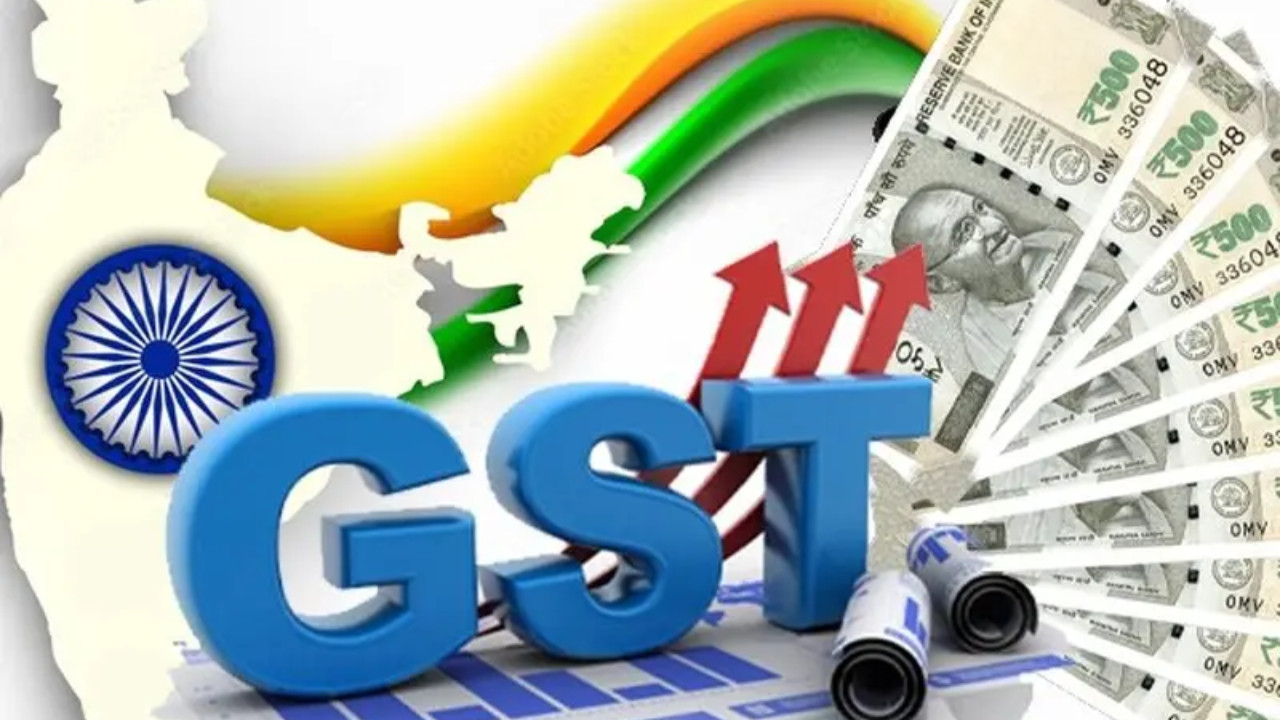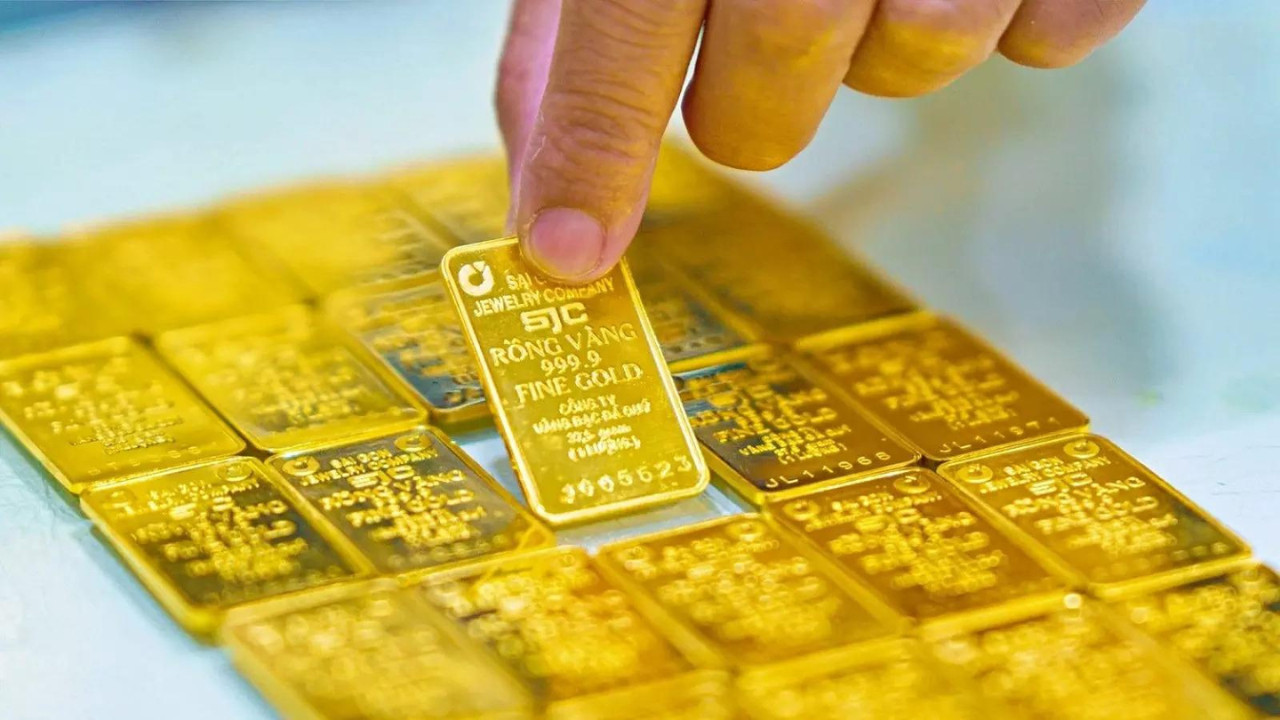
Indian consumers, initially hesitant due to rising prices, significantly boosted gold imports in October following a GST rate reduction, recovering from a first-half deficit. Silver imports also surged, driven by increased industrial demand and higher international prices, with both metals seeing a notable spike attributed to festival and wedding season purchases.
Gold’s Gleaming Comeback: Why India’s October Imports Sparkle
For months, the Indian gold market felt a bit…lackluster. The first half of the year saw a dip in imports, leaving many wondering if the traditional allure of the yellow metal was fading. But hold on to your hats (and your gold bangles!), because October brought a dramatic reversal of fortune. India’s gold imports surged, not just recovering lost ground, but exceeding expectations and painting a very different picture for the second half of the year.
So, what fueled this golden renaissance?
Several factors played a key role in this unexpected surge. First, we need to rewind a bit. The earlier part of the year was marked by increased gold prices and global economic uncertainties. This naturally dampened demand, as consumers and investors alike became more cautious. However, as the festive season approached – with its auspicious days for buying gold for weddings and celebrations – the pent-up demand was unleashed.

Adding to the festive fervor, gold prices experienced a slight dip towards the end of October, making it an opportune time for consumers to make purchases. This price correction, coupled with the cultural significance of gold during festivals like Diwali and Dhanteras, created a perfect storm for a surge in gold imports.

Think of it this way: imagine a dam holding back a river. The first half of the year was the dam, restricting the flow of gold. October was when the dam broke, releasing the pent-up demand in a powerful rush.
Furthermore, the government’s efforts to promote the gold sector through various initiatives may have also contributed to the increased activity. While the direct impact is difficult to quantify, these policies can indirectly influence market sentiment and encourage investment in gold.
Beyond the Festive Sparkle: Understanding the Broader Implications
The surge in October’s gold imports isn’t just a fleeting festive phenomenon. It has broader implications for India’s economy, trade balance, and the global gold market.
A significant increase in gold imports can impact India’s current account deficit. Gold is a major import item, and a large influx can widen the deficit. However, the robust performance of other export sectors can potentially offset this impact. Economists will be closely watching the overall trade figures in the coming months to assess the net effect.
Looking globally, the surge in Indian demand can put upward pressure on gold prices worldwide. India is one of the largest consumers of gold, and a sudden increase in its appetite can influence the global supply-demand dynamics. This is good news for gold miners and traders, but it could also mean higher prices for consumers in other countries.
Navigating the Golden Path: What Lies Ahead for the Indian Gold Market?
The million-dollar question is: Can this golden momentum be sustained? While October’s performance was undeniably impressive, several factors will determine the future trajectory of India’s gold market.

Global economic conditions play a crucial role. If the global economy continues to face uncertainties, gold could remain an attractive safe-haven asset, driving demand. Conversely, a strong economic recovery could shift investment towards riskier assets, potentially dampening the enthusiasm for gold.
Government policies, both domestic and international, will also have a significant impact. Changes in import duties, taxes, or regulations can directly influence the cost and availability of gold in the Indian market.
And, of course, the most unpredictable factor: consumer sentiment. The cultural significance of gold in India is deeply ingrained, but changing lifestyles and investment preferences could influence long-term demand.
To understand how this all relates, reading up on strategies to grow wealth in volatile markets provides a great foundation.
October’s surge in gold imports in India offered a compelling snapshot of the market’s resilience and responsiveness to price fluctuations and cultural events. While projecting long-term trends with certainty remains challenging, it’s clear the Indian gold market continues to be a dynamic force with significant implications, both domestically and on the world stage. Whether this golden age continues depends on a complex interplay of economic forces, government actions, and, ultimately, the enduring allure of the yellow metal itself.