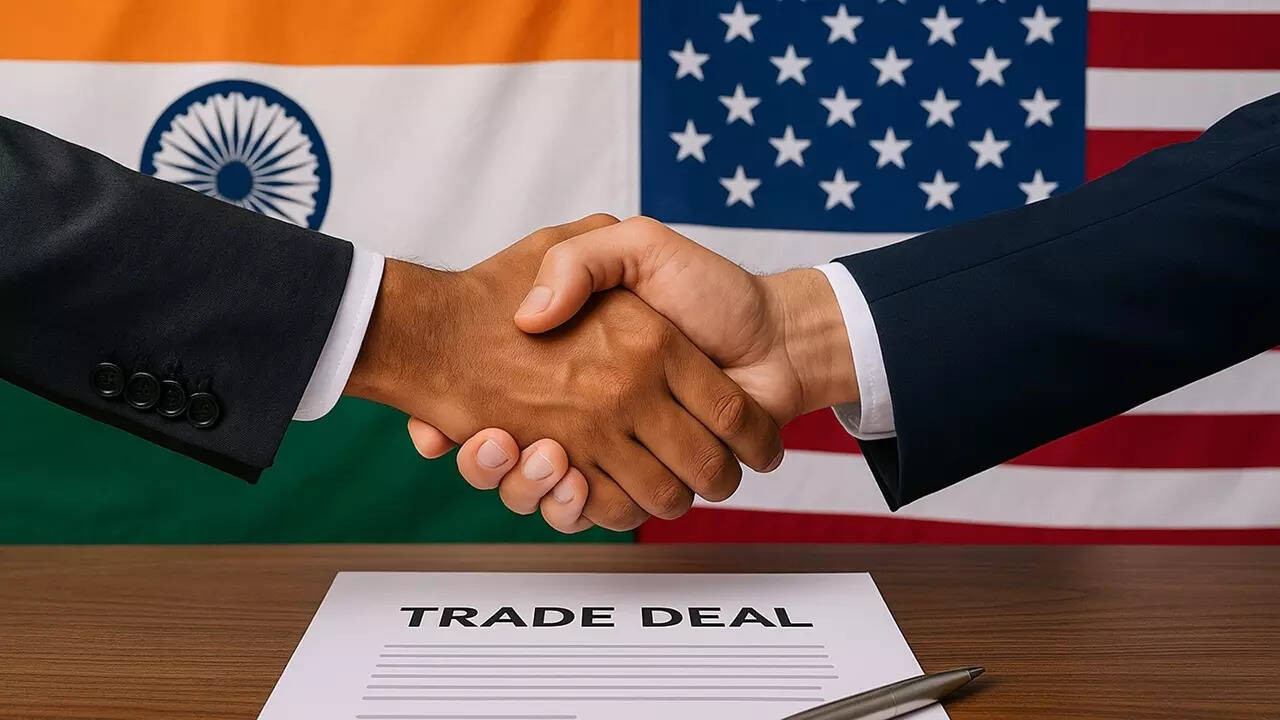
US producer price inflation soared in July, reaching its highest level since 2022, fueled by rising service and goods costs. Economists suggest that President Trump’s tariffs are contributing to increased business expenses, particularly in sectors like steel, aluminum and food products.
The Price Squeeze: Are US Businesses Feeling the Tariff Pinch?
Inflation. It’s the word on everyone’s lips, from economists huddled in dimly lit offices to families budgeting at the kitchen table. We’ve been navigating rising consumer prices for a while, but a recent report throws a spotlight on a less discussed, yet equally important aspect: what’s happening with producer prices? And are trade tariffs playing a bigger role than we think?
July’s Producer Price Index (PPI) figures are out, and they’re painting a picture of a US economy where businesses are facing increasing cost pressures. The PPI, which measures the average change over time in the selling prices received by domestic producers for their output, jumped a surprising 0.3% in July, a sharper increase than many economists anticipated. This translates to a 0.8% rise over the past 12 months – the highest in three years. Suddenly, whispers about tariffs and their impact on business are getting louder.
Unpacking the Producer Price Surge
What’s driving this surge in producer prices? A complex interplay of factors seems to be at play. For starters, the cost of services, particularly portfolio management, is on the rise. That alone accounted for most of the July increase. But the rise isn’t just about service fees.
Dig a little deeper, and you’ll notice increases in the costs of goods like food, energy, and chemicals. These are the raw materials and intermediate products that businesses rely on to create their own goods and services. When their costs go up, it creates a ripple effect that eventually hits consumers in the form of higher prices at the checkout counter.


The Tariff Tightrope: Walking a Fine Line
Now, let’s talk about tariffs. For years, the US has engaged in trade disputes with various countries, imposing tariffs on imported goods. The intention was often to protect domestic industries and encourage local production. However, tariffs are essentially taxes on imports, and those taxes are often passed on to businesses in the form of higher input costs.
Consider a manufacturer who relies on imported steel to build their products. If a tariff is imposed on that steel, the manufacturer now pays more for it. They have a few choices: absorb the cost (which cuts into their profits), find a different (potentially lower-quality) supplier, or pass the cost on to their customers by raising prices. And it looks like many businesses are feeling the squeeze.
These rising US producer prices are placing additional pressure on the Federal Reserve, which is tasked with keeping inflation under control.
Navigating the Inflation Maze
So, where does this leave us? The increase in producer prices suggests that inflationary pressures are still present in the US economy, even as consumer inflation has started to cool slightly. Businesses are facing higher costs for raw materials, energy, and transportation, and they are increasingly having to make tough decisions about how to absorb or pass on those costs.

One potential solution for businesses is to optimize their supply chains, seeking out more efficient and cost-effective ways to source materials and transport goods. Embracing technology and automation can also help to streamline operations and reduce labor costs. Strategic pricing decisions, combined with a keen understanding of market dynamics, are crucial for navigating this complex economic landscape. We’ve written about some of those cost savings and tech options [here](internal-link-to-relevant-article).
Looking Ahead: Price Pain or Plateau?
The July PPI data serves as a reminder that the fight against inflation is far from over. While consumer inflation may be showing signs of easing, the upward pressure on producer prices suggests that businesses are still grappling with significant cost challenges. The impact of tariffs, while difficult to isolate precisely, is undoubtedly a contributing factor.
Ultimately, the ability of businesses to adapt and innovate will determine whether these rising producer prices translate into sustained consumer inflation or whether they eventually plateau as supply chains normalize and trade tensions ease. The next few months will be crucial in determining the trajectory of inflation and the overall health of the US economy.