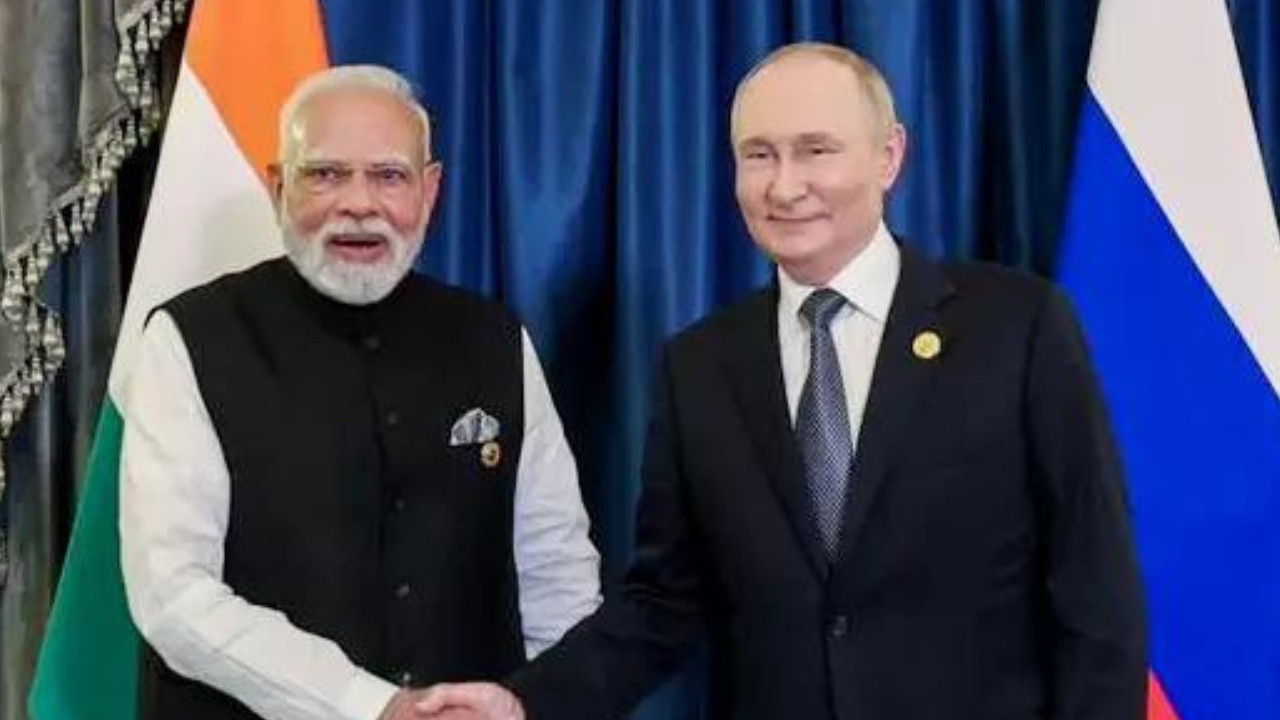
Russian President Vladimir Putin’s visit to India aims to significantly boost economic cooperation, with New Delhi seeking to reduce its trade deficit and expand market access for Indian goods like pharmaceuticals and agricultural products. The trip, accompanied by a large business delegation, is expected to yield agreements in shipping, healthcare, and connectivity, alongside a long-term economic roadmap until 2030.
India and Russia: More Than Just Military Allies?
For decades, the relationship between India and Russia has been primarily defined by defense cooperation. Think Sukhoi fighter jets and S-400 missile systems. But could that be shifting? With a recent visit from President Putin, the spotlight is intensifying on the economic side of this long-standing partnership, particularly India’s drive to reduce its trade deficit. The question isn’t whether India wants to do more business with Russia, it’s how they will achieve that.
The existing trade balance leans heavily in Russia’s favor, largely fueled by India’s substantial purchases of Russian oil and gas. As India navigates global economic currents, diversifying its import basket and boosting exports are top priorities. And Russia, despite sanctions and geopolitical pressures, represents a market with significant, albeit complex, opportunities.
Pharma and Agriculture: India’s Export Aces?
So, what does this potential economic rebalancing look like? Two sectors appear poised for growth: pharmaceuticals and agriculture. India boasts a globally competitive pharmaceutical industry, known for producing affordable and high-quality generic drugs. As Western markets become increasingly saturated and competitive, Russia presents a viable alternative market for Indian pharma companies looking to expand their footprint. The demand is certainly there; Russia needs reliable sources for medications, and India can provide them.


Similarly, India’s agricultural sector, a cornerstone of its economy, has the potential to significantly increase exports to Russia. Think of basmati rice, spices, tea, and even fruits and vegetables. While logistical hurdles exist, including transportation and maintaining product quality during transit, the potential rewards are substantial. With disruptions to global supply chains impacting Russia’s access to certain agricultural products, India can step in to fill the gap.
The Ruble-Rupee Trade Mechanism: A Game Changer?
One of the key strategies being explored to facilitate this increased trade is the Ruble-Rupee trade mechanism. This system, designed to bypass the need for US dollars or Euros, allows Indian and Russian companies to trade directly in their respective currencies. While not a new concept, its implementation faces complexities. Ensuring stable exchange rates and navigating the intricacies of international banking are key challenges. However, if successfully implemented, this mechanism could significantly reduce transaction costs and streamline trade, making it more attractive for businesses on both sides. Imagine the possibilities for small and medium-sized enterprises (SMEs) who often find the complexities of international transactions daunting.
Geopolitical Considerations and the Balancing Act
Of course, the strengthening of economic ties between India and Russia is happening against a complex geopolitical backdrop. India maintains a delicate balancing act, fostering relationships with both Russia and Western powers. While pursuing its economic interests with Russia, India must also navigate potential concerns from its Western partners, particularly regarding sanctions and the ongoing conflict in Ukraine. This requires careful diplomacy and a clear articulation of India’s independent foreign policy. The world is watching closely to see how India manages these competing pressures.

Beyond Commodities: Exploring New Avenues
While commodities like oil, pharmaceuticals, and agricultural products are central to the current trade relationship, there’s scope to explore new avenues. This could include collaboration in areas like technology, renewable energy, and infrastructure development. Joint ventures, technology transfer, and knowledge sharing could unlock significant potential for both countries. For example, India’s expertise in software development could complement Russia’s strengths in engineering and hardware manufacturing. This kind of synergistic partnership could create new opportunities and drive economic growth on both sides. Consider India’s push for renewable energy, which could greatly benefit from Russia’s natural resources.
Can India Reduce its Trade Deficit with Russia?
The push to enhance trade and reduce the deficit presents both opportunities and challenges. Success hinges on strategic implementation, addressing logistical bottlenecks, and navigating the complex geopolitical landscape. The Ruble-Rupee trade mechanism, if effectively implemented, could be a game-changer, streamlining transactions and fostering greater trade volume. However, the ultimate outcome depends on the ability of both countries to adapt to evolving global dynamics and forge deeper, more diversified economic partnerships. The coming years will be crucial in determining whether India can significantly rebalance its trade relationship with Russia and unlock the full potential of this long-standing alliance.
URL slug: india-russia-trade