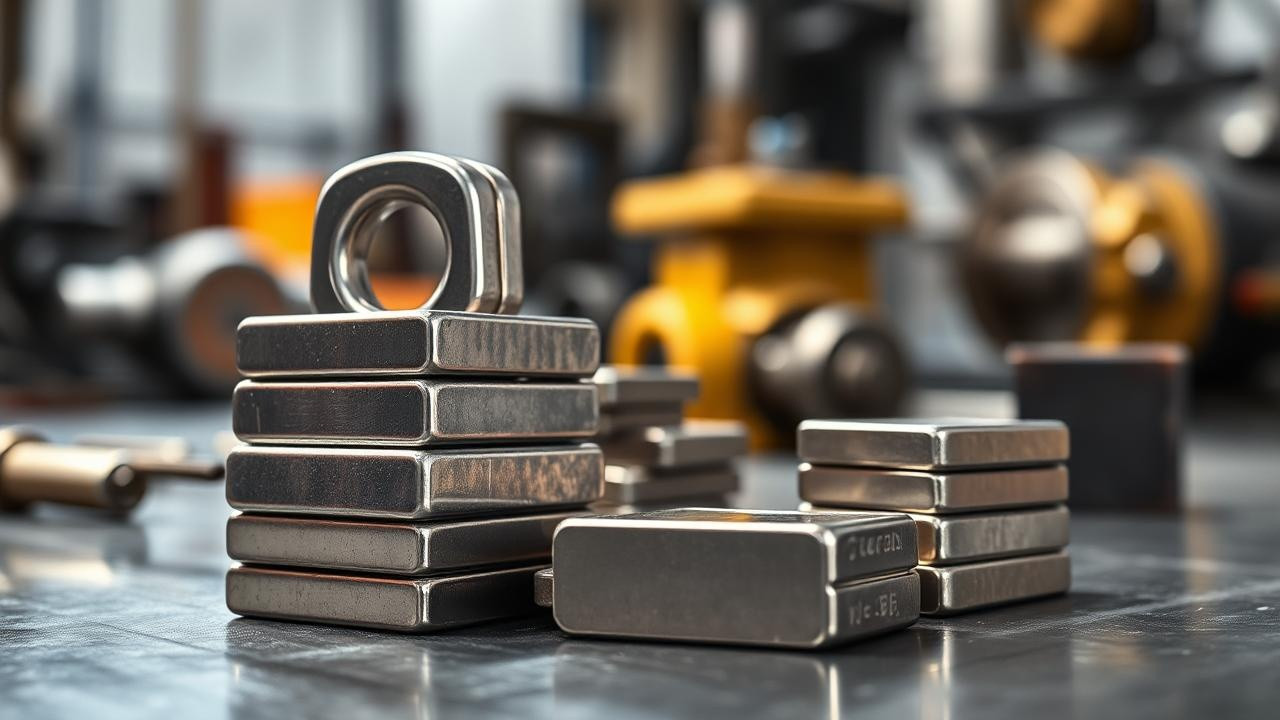
Indian companies have secured licenses to import rare earth magnets from China, following US-China trade talks. The agreement aims to de-escalate the trade war, with Washington reducing tariffs and Beijing ensuring critical rare earth supplies. This development is being closely monitored for its impact on India’s domain.
China Thaws Trade Winds: Import Licenses Granted for Indian Rare Earth Firms
For years, a shadow has hung over the global supply chain of rare earth elements, those vital ingredients in everything from smartphones to electric vehicles. China, holding the lion’s share of global production, has wielded considerable influence. Now, a subtle but significant shift seems to be unfolding, with Beijing granting import licenses to several Indian companies. What does this mean for India’s ambitions, the global market, and the intricate dance between geopolitical rivals?
The whispers started a few weeks ago and have now solidified into a tangible development. Several Indian firms involved in processing these critical minerals have received the green light to import rare earth oxides from China. This move, seemingly small on the surface, carries considerable weight when viewed within the larger context of global trade and strategic autonomy. It’s a potential game-changer for India’s burgeoning technology and manufacturing sectors.
India’s Rare Earth Element Strategy Takes a Step Forward
For India, securing a reliable supply of these materials is paramount. Imagine trying to build a cutting-edge electric vehicle industry without the rare earth elements needed for the motors. It’s simply not feasible. This recent development, then, marks a crucial step in bolstering India’s supply chain resilience.
The move aligns with India’s broader strategy of diversifying its sources for essential minerals. Dependence on a single nation for such crucial materials leaves any economy vulnerable to disruptions, whether caused by geopolitical tensions or unforeseen events. By allowing Indian companies access to Chinese rare earth oxides, Beijing is potentially easing those concerns, at least for the time being.

But why now? What prompted this shift in policy from the Chinese side? The answer likely lies in a complex web of factors, including global demand, internal economic pressures within China, and perhaps even a strategic calculation related to the growing US-China rivalry.

Decoding Beijing’s Decision
Some observers speculate that China might be seeking to maintain its market share in the face of increasing competition from other potential suppliers. As other nations, including the US and Australia, ramp up their rare earth exploration and processing capabilities, China might be aiming to solidify its existing customer base. Moreover, granting these licenses could be interpreted as a gesture of goodwill, potentially easing trade tensions and fostering a more cooperative economic environment.
However, it’s crucial to approach this development with a healthy dose of pragmatism. The global rare earth market is notoriously complex and often subject to political considerations. The licenses granted are for specific quantities and durations, and it remains to be seen whether this will translate into a long-term, stable supply for Indian companies. Further, this action could have far reaching consequences like the potential impact on smaller, independent rare earth mining firms in other parts of the world as China maintains its grip on the market.
The US-China Dynamic: A Shadow Over the Horizon
The Ministry of External Affairs (MEA) is reportedly studying the recent agreement between the US and China, hinting at the underlying geopolitical currents influencing these trade decisions. The US, keen to reduce its own reliance on China for rare earth elements, has been actively pursuing partnerships with other nations to develop alternative supply chains. This adds another layer of complexity to the situation, as India navigates its own strategic interests within the evolving global landscape. You can learn more about India’s other resource diversification efforts [here](internal_link_to_related_content).

While the import licenses are a positive development, it’s important to remember that true supply chain security requires a multifaceted approach. This includes not only diversifying import sources but also investing in domestic exploration, processing, and refining capabilities. India has significant reserves of rare earth elements, but unlocking their full potential requires sustained investment in research, technology, and infrastructure.
Ultimately, the granting of import licenses to Indian firms represents a tentative step towards a more balanced global rare earth market. It provides India with a crucial lifeline in the short term but also underscores the importance of pursuing a long-term strategy of self-reliance and diversification. Whether this marks a genuine thawing of trade relations or a tactical maneuver remains to be seen, but one thing is certain: the global race for rare earth dominance is far from over.