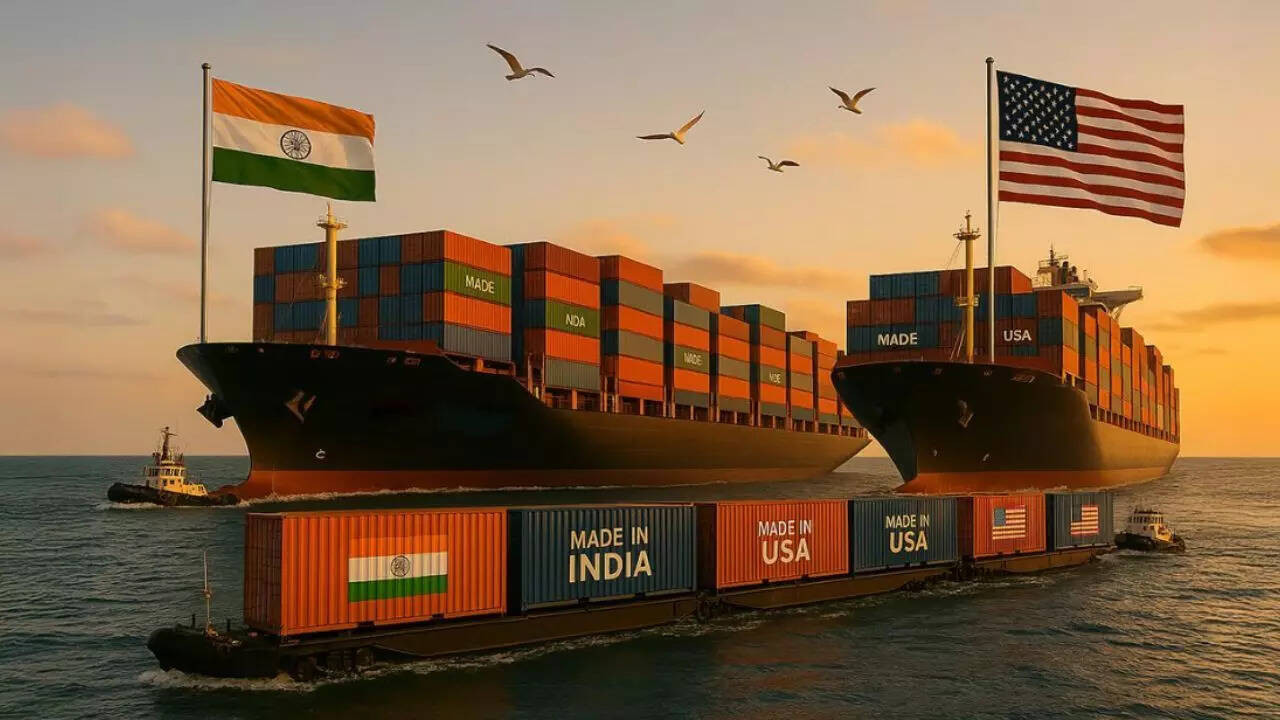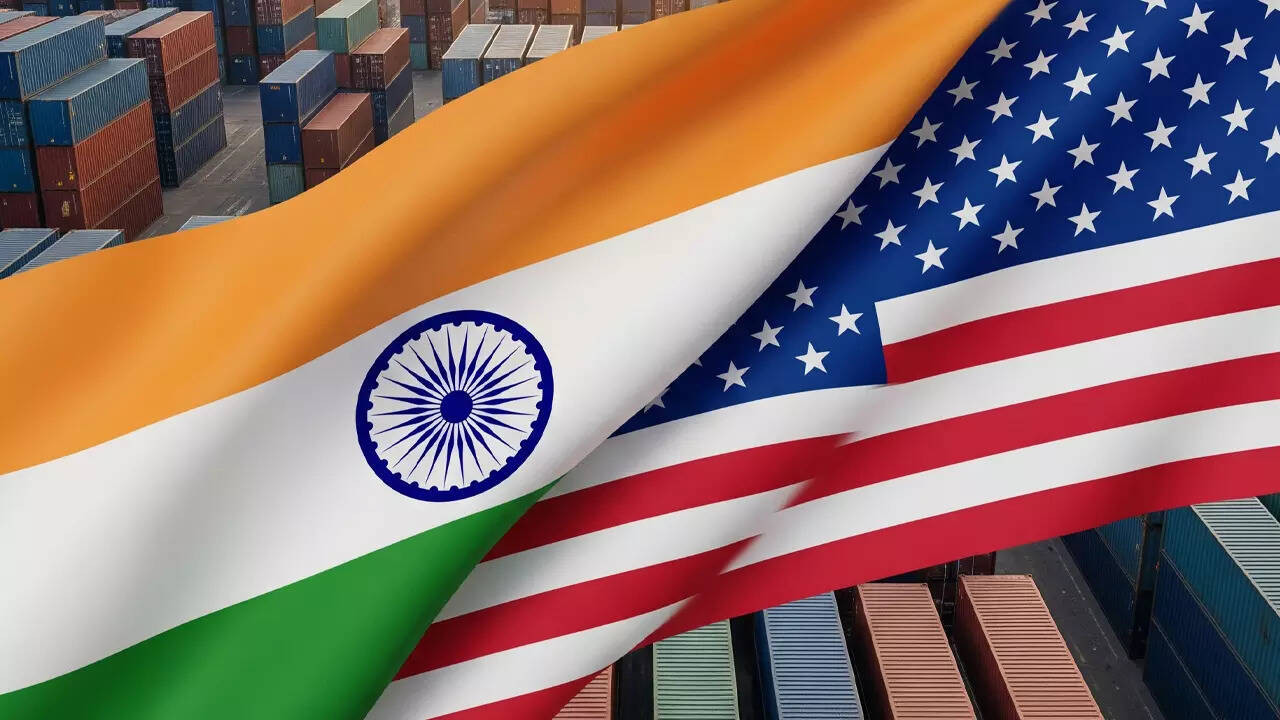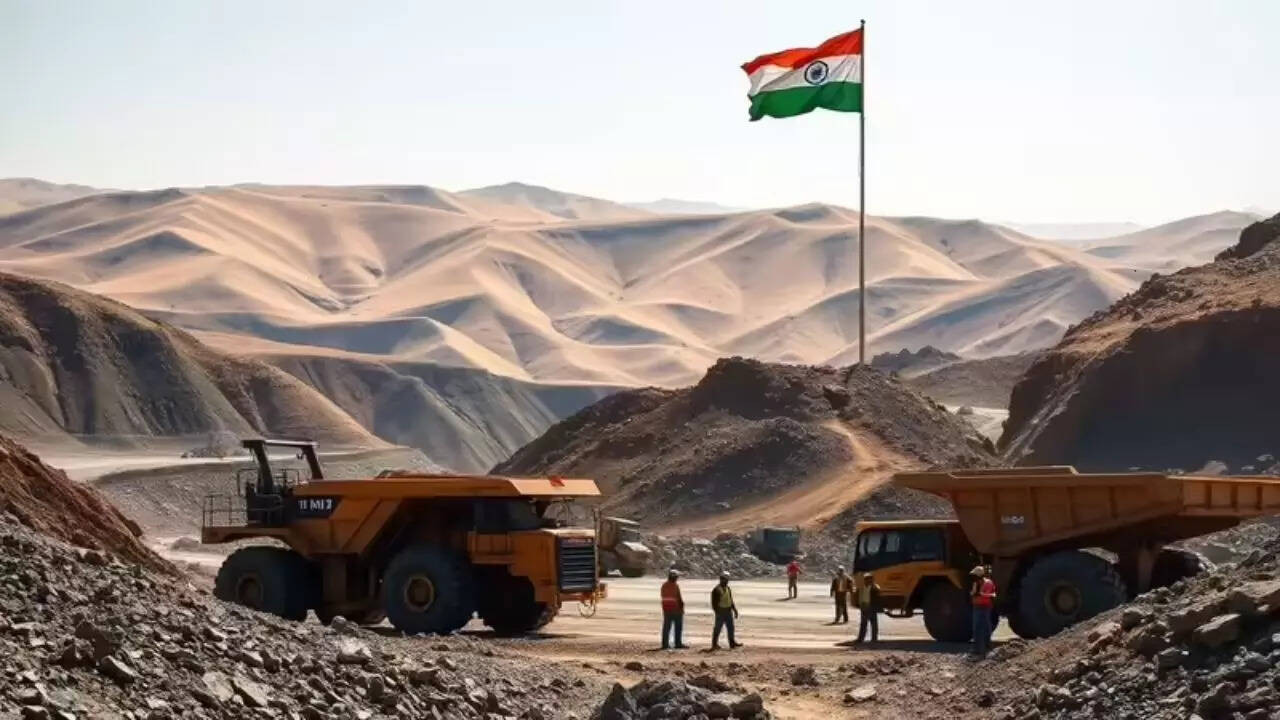
India is poised to become a major force in the global rare-earth market. A recent trade agreement provides a crucial window for New Delhi to boost its processing and manufacturing. With rich mineral reserves and strong political backing, India can establish itself as a vital hub. This development offers a path to diversify supply chains and enhance global resilience.
India: The Rising Star in Rare Earth Minerals?
The global stage is shifting, and the spotlight is increasingly turning towards India. Not just for its booming tech sector or its burgeoning middle class, but for something far more elemental: its potential role in reshaping the world’s rare earth mineral supply chain. For years, China has held a near-monopoly on these vital components, essential for everything from smartphones and electric vehicles to wind turbines and advanced defense systems. But that dominance may soon face a serious challenge.
A recent analysis suggests India is poised to become a critical third pillar in a strategic alliance with the United States and Japan, aiming to diversify and secure access to these crucial resources. Could this be the dawn of a new era in global trade, where India plays a pivotal role in the future of technology and energy?
Breaking the Rare Earth Monopoly
For decades, concerns have simmered about the world’s reliance on a single nation for rare earth elements. The geopolitical implications are clear: dependence creates vulnerability. A disruption in supply, whether due to political tensions, trade disputes, or unforeseen circumstances, could cripple entire industries. This vulnerability has spurred a global scramble to find alternative sources and build more resilient supply chains.
The United States and Japan, both technological powerhouses with significant demand for rare earth minerals, have been actively seeking ways to reduce their dependence on China. And India, with its substantial reserves and growing industrial capabilities, presents a compelling solution.


India’s Rare Earth Advantage
So, what makes India such an attractive partner in this endeavor? Several factors are at play. First and foremost, India possesses significant deposits of rare earth elements. While the exact extent of these reserves is still being explored, initial findings suggest they are substantial enough to support a thriving domestic industry and potentially contribute to global supply.
Furthermore, India has a well-established mining sector, a skilled workforce, and a growing commitment to developing its technological capabilities. This combination of resources and expertise positions India as a credible and reliable partner in the rare earth mineral market. The Indian government is also actively promoting investment in the sector, streamlining regulations, and offering incentives to attract foreign companies.
A Trilateral Partnership: US, Japan, and India
The potential alliance between the United States, Japan, and India is not just about diversifying supply; it’s about building a more secure and stable global economy. The United States brings its technological expertise and financial resources to the table, while Japan offers its advanced processing and manufacturing capabilities. India, in turn, provides access to its mineral reserves and its growing industrial base.
This trilateral partnership could take several forms, including joint ventures, technology transfer agreements, and investments in infrastructure development. The goal is to create a vertically integrated supply chain, from mining and processing to manufacturing and distribution, that is less vulnerable to disruptions and geopolitical pressures.

The Road Ahead for India
Of course, there are challenges to overcome. India’s rare earth industry is still in its early stages of development, and significant investments will be required to scale up production and meet global demand. Furthermore, environmental concerns related to mining and processing need to be addressed to ensure sustainable and responsible development. This needs careful planning and long-term strategy.
Despite these challenges, the potential benefits of India becoming a major player in the rare earth mineral market are immense. It would not only boost India’s economy but also contribute to global energy security, promote technological innovation, and create a more balanced and resilient global trading system. Related content on mineral processing is available here: [Link to Internal Article].
The Future is Bright for Rare Earth Minerals
The world is on the cusp of a new era in the rare earth minerals market, one where India is poised to play a pivotal role. While challenges remain, the strategic alignment of the United States, Japan, and India suggests a promising future for diversified and secure access to these critical resources. As demand for technologies reliant on rare earth elements continues to soar, this trilateral partnership offers a beacon of hope for a more stable and prosperous global economy. The rise of India as a key player is not just good news for these three nations, but for the entire world.
Slug: india-rare-earth-minerals