India’s non-fossil fuel power capacity is nearing 300 GW, with over 40 GW of renewable projects in advanced stages. This surge, driven by robust policies and private sector funding, positions India as a global leader in renewable energy growth, on track to meet its ambitious 2030 targets. Annual additions remain strong despite global challenges.
India’s Green Energy Revolution: Charging Towards a Sustainable Future
India’s power sector is undergoing a monumental transformation, shifting gears towards a cleaner, greener horizon. The latest buzz centers on the rapid expansion of the nation’s non-fossil fuel power capacity, poised to breach the impressive 300 GW mark very soon. This isn’t just a number; it’s a testament to India’s unwavering commitment to sustainable energy and a significant leap towards a future powered by renewables.
But what’s driving this incredible surge? A potent combination of government initiatives, technological advancements, and a growing awareness about the environmental impact of traditional energy sources are all playing a crucial role. The government’s push for renewable energy through policies and incentives has created a fertile ground for investment and innovation. Simultaneously, advancements in solar, wind, and other renewable technologies have made them increasingly efficient and cost-competitive, making them an attractive alternative to fossil fuels.
Renewable Energy Capacity: A Snapshot of Progress
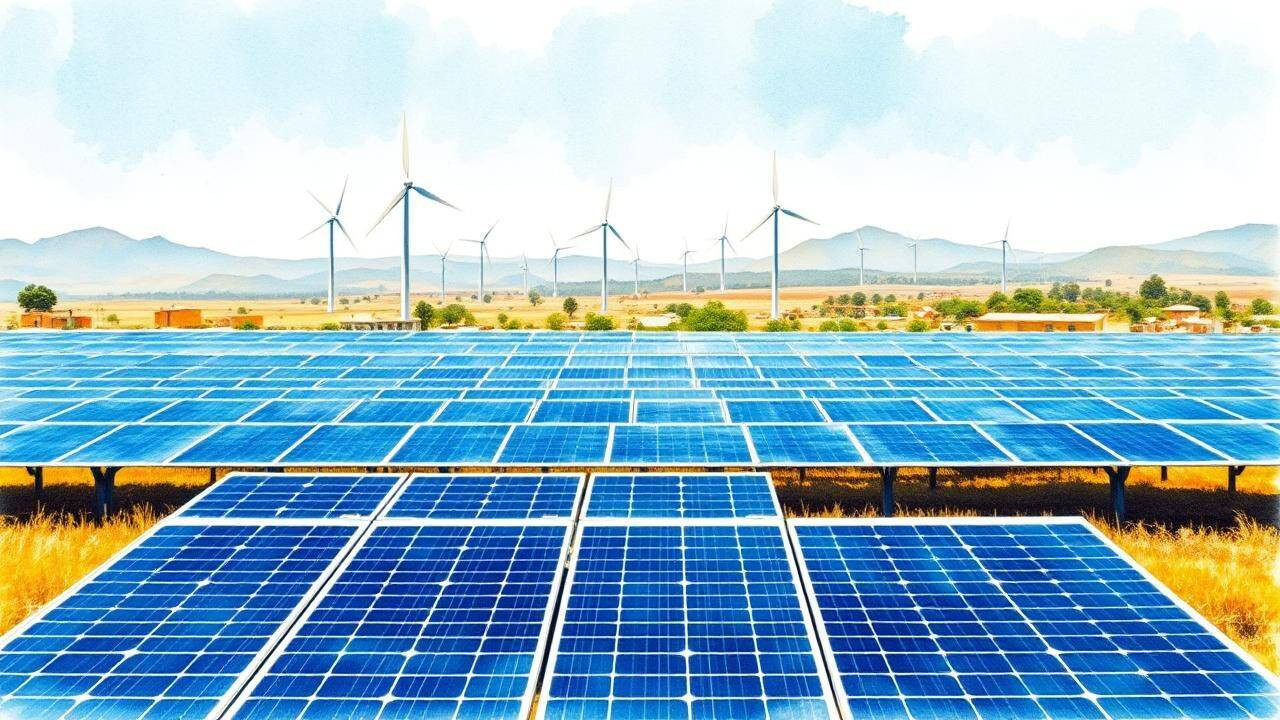
Currently, India’s non-fossil fuel power capacity stands at a robust 298.96 GW, a figure that includes solar, wind, hydro, and nuclear power. Solar power leads the charge, contributing the most significant chunk to this impressive total. Wind energy follows closely behind, with hydro and nuclear power providing a stable base load. And the momentum isn’t slowing down. A substantial pipeline of projects, totaling approximately 40 GW, is currently in advanced stages of development, signaling an even brighter future for India’s green energy sector.


These upcoming projects span across various renewable energy technologies, showcasing a diversified approach to energy generation. Large-scale solar parks, wind farms in coastal regions, and hydro projects in the Himalayas are all contributing to the country’s ambitious renewable energy targets. This diversified approach not only enhances energy security but also mitigates the risks associated with relying on a single source of energy.
Impact on India’s Energy Landscape
The growth in renewable energy capacity is having a profound impact on India’s energy landscape. Firstly, it is reducing the country’s reliance on fossil fuels, which are often imported and contribute significantly to air pollution. By generating more power from clean, domestic sources, India is enhancing its energy independence and reducing its carbon footprint.
Secondly, the renewable energy sector is creating new economic opportunities. The development, construction, and operation of renewable energy projects are generating jobs and attracting investments. This is particularly beneficial in rural areas, where renewable energy projects can provide access to electricity and boost local economies. To learn more about similar projects, check out our piece on [sustainable energy initiatives in rural India](internal-link-to-related-article).
Finally, the expansion of renewable energy is helping India meet its international climate commitments. As a signatory to the Paris Agreement, India has pledged to reduce its carbon emissions and increase the share of renewable energy in its energy mix. The progress made in the renewable energy sector is a significant step towards achieving these goals and contributing to global efforts to combat climate change.
Challenges and the Path Forward
While India has made significant strides in expanding its non-fossil fuel power capacity, challenges remain. Integrating renewable energy into the grid can be complex, requiring investments in grid infrastructure and smart grid technologies. The intermittent nature of solar and wind energy also poses challenges for grid stability, requiring energy storage solutions and flexible power plants to balance supply and demand.

Addressing these challenges will require a concerted effort from the government, industry, and research institutions. Continued policy support, technological innovation, and investments in grid infrastructure are crucial for ensuring the smooth integration of renewable energy into the grid. Furthermore, promoting energy efficiency and conservation can help reduce overall energy demand and lessen the burden on the power system.
India’s journey towards a sustainable energy future is an inspiring story of ambition, innovation, and commitment. As the country continues to embrace renewable energy, it is not only securing its energy future but also paving the way for a cleaner, healthier, and more prosperous world. The 300 GW milestone is just the beginning. India’s renewable energy revolution is well underway, and the future looks brighter than ever.