IndiGo’s massive operational chaos led to hundreds of flight cancellations and exorbitant domestic fares, with Delhi-Bengaluru tickets reaching Rs 70,000. International destinations like Thailand and London offered significantly cheaper alternatives. The airline’s miscalculation of pilot needs under new regulations caused widespread traveler distress and criticism over its management.
Sky-High Prices: Why Are Airfares Suddenly Soaring?
Remember the days of snagging a surprisingly affordable flight? Those days might feel like a distant memory right now. The airline industry, typically a delicate balance of supply, demand, and fuel costs, is currently experiencing some serious turbulence, and travelers are feeling the brunt of it. We’re talking about eye-watering price hikes, especially on popular routes, turning dream vacations into budget-busting nightmares. But what exactly is fueling this sudden surge?
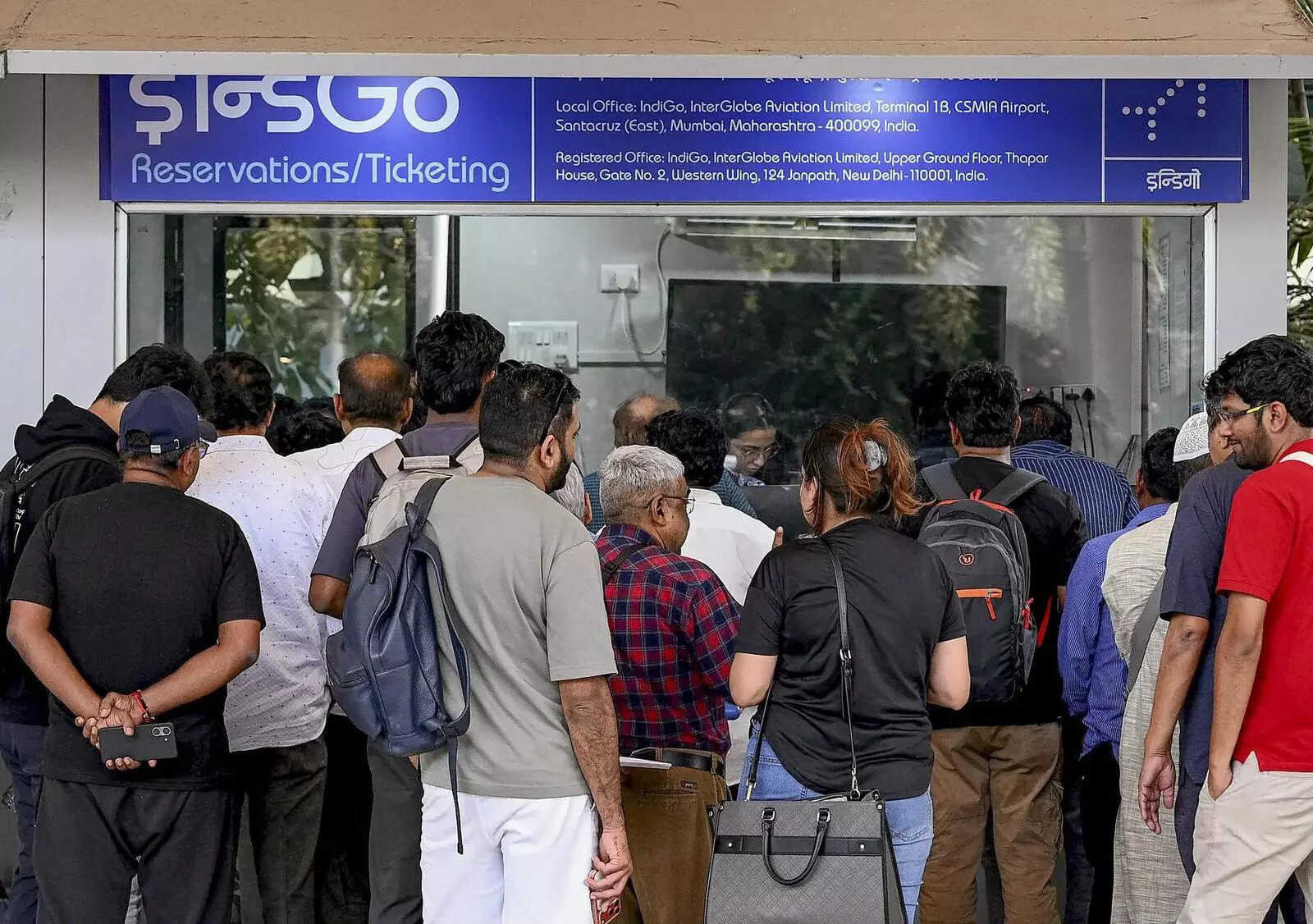
One major factor contributing to this price inflation is the recent operational challenges faced by IndiGo, one of India’s largest airlines. Imagine planning a trip, only to discover a significant portion of the flights you were relying on are suddenly canceled or severely delayed. That’s precisely what happened, triggering a scramble for alternative options and leaving passengers frustrated and airlines scrambling.
The ripple effect of this disruption has been dramatic. As thousands of passengers sought to rebook their journeys, demand skyrocketed on other airlines operating similar routes. Basic economics dictates that when demand increases and supply struggles to keep pace, prices inevitably rise. And rise they did, in some cases to levels that seem almost unbelievable.
Consider the popular Delhi-Bengaluru route. Before the IndiGo disruption, a one-way ticket might have cost a reasonable ₹7,000–₹10,000. In the aftermath, reports surfaced of fares soaring to ₹70,000 or even higher! That’s a tenfold increase, effectively pricing out a large segment of the traveling public.


But the story doesn’t end there. It’s not just domestic routes feeling the pinch. International travel, often considered a more premium experience, is also becoming increasingly expensive. Perhaps more surprisingly, even destinations closer to Europe than India are seeing relatively lower price points than some within India. The Times of India reported instances where a flight from Delhi to London could be secured for around ₹25,000, a stark contrast to the exorbitant fares on domestic routes like Delhi-Bengaluru. This anomaly highlights the complexities of airline pricing, which are influenced by factors beyond just distance traveled.
So, what’s behind this pricing disparity? Several factors come into play. International routes often have more competition, with multiple airlines vying for passengers. This increased competition can help keep prices in check. Additionally, government regulations and bilateral agreements between countries can also influence airfare costs. Finally, the type of aircraft used and the operational costs associated with different routes can vary significantly.
The IndiGo situation underscores how vulnerable the airline industry can be to unforeseen disruptions. Whether it’s logistical issues, maintenance delays, or external factors like weather events or geopolitical instability, any significant operational challenge can have a cascading effect on prices. The airline industry operates on razor-thin margins, so any disruption that reduces capacity inevitably leads to increased fares as airlines try to recoup lost revenue. If you’re flying with kids, also see these tips on [how to make travel easier on families](link-to-related-article).
For travelers, this period of high airfares presents a challenge. Flexibility is now more valuable than ever. Consider flying on less popular days or at off-peak times. Exploring alternative airports or even modes of transportation could also save you money. Being proactive and booking well in advance, or even waiting for last-minute deals (though this carries some risk), can also potentially lead to lower fares.

The current situation serves as a reminder that air travel is not always a predictable or affordable experience. While the immediate price surge may subside as IndiGo resolves its operational issues, the underlying factors that contribute to airfare volatility will likely persist. As airlines navigate rising fuel costs, increased demand, and ever-evolving regulatory landscapes, passengers must remain vigilant and resourceful to find the best possible deals.
The question isn’t just “why are airfares so high now?” but “how can we adapt to this new reality of travel?” Only time will tell if this is a temporary blip or the new normal.