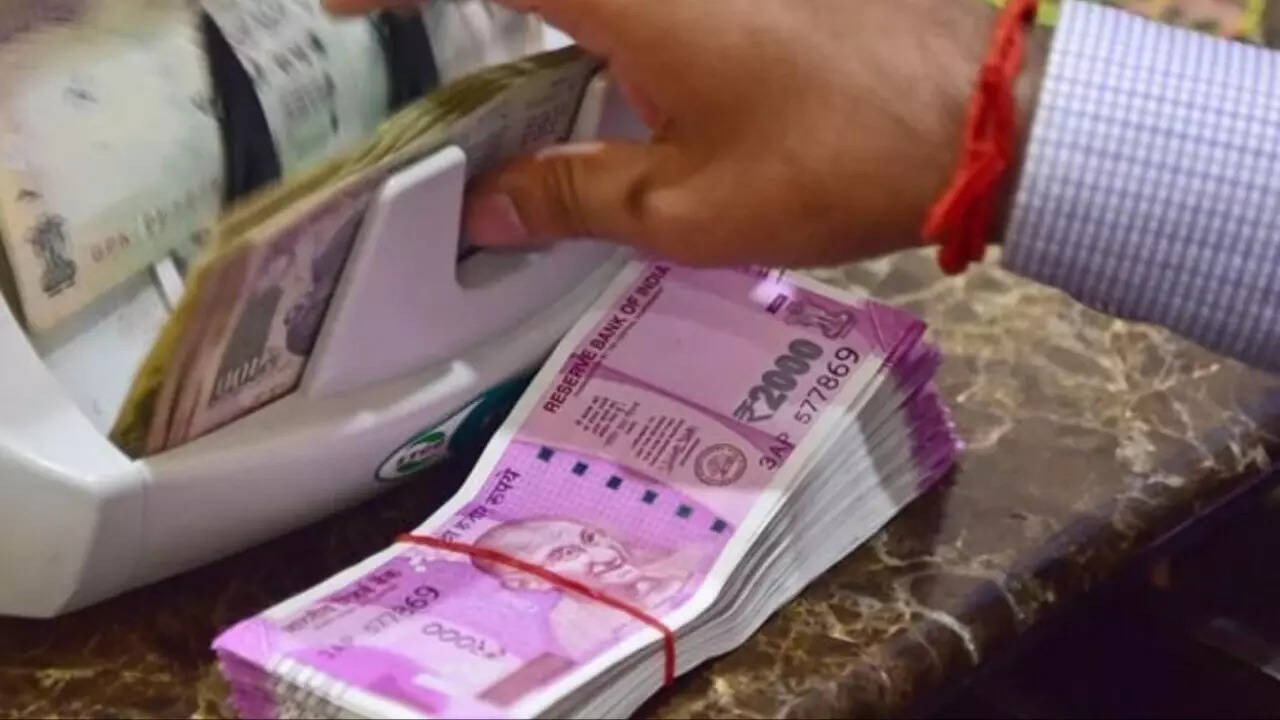
The rupee plummeted to a record low of 88.73 against the US dollar due to continuous foreign fund outflows and concerns over the increased US H-1B visa fee, which could negatively impact India’s IT sector. The decline occurred amidst bearish market sentiment, external pressures, and persistent outflows, despite positive domestic economic data.
The Rupee’s Dance with the Dollar: Decoding the Recent Dip
The Indian rupee has been on a bit of a rollercoaster lately, and the latest dip against the US dollar has certainly got people talking. On a particular day, the currency closed at a record low of 83.73, plunging a significant 45 paise. What’s behind this movement, and what does it mean for the average Indian? Let’s break it down.
Several factors seem to be contributing to the rupee’s weakening. One major influence is the persistent outflow of foreign institutional investors (FIIs). These investors, who play a crucial role in the Indian stock market, have been pulling out their investments, putting downward pressure on the rupee. This exodus can be triggered by various global and domestic factors, including concerns about economic growth and interest rate differentials.
The dollar’s strength also plays a significant role. The US dollar has been riding high lately, buoyed by a resilient American economy and the Federal Reserve’s monetary policy stance. When the dollar strengthens, it naturally makes other currencies, including the rupee, appear weaker in comparison. Think of it like a seesaw – when one side goes up, the other inevitably comes down.


Unpacking the Visa Fee Hike and Its Ripple Effects
Another potential, though perhaps less direct, contributor to the recent rupee depreciation is the revised visa fee structure implemented by the US. The updated fees, particularly for certain business and tourism visas, will undoubtedly increase the cost of travel and doing business with the US. This, in turn, could lead to a marginal decrease in demand for rupees as fewer Indians convert their currency to dollars for travel or business purposes. While the direct impact might be relatively small, it adds another layer of complexity to the overall economic landscape. The long-term effects of this decision will be observed over time.
Decoding the Impact of a Weakening Indian Rupee
So, what are the implications of a weaker rupee? It’s a double-edged sword, really.
On the one hand, a weaker rupee can boost exports. Indian goods and services become more competitive in the international market, potentially leading to increased export earnings. This is good news for businesses involved in exporting everything from textiles to technology.
However, a weaker rupee also makes imports more expensive. This means that items like crude oil, electronics, and other essential commodities become pricier, contributing to inflationary pressures within the country. This can impact the common person’s budget as the cost of everyday goods and services rises.
For travelers, a weaker rupee means that international trips become more expensive. You’ll need to shell out more rupees to buy the same amount of dollars (or other foreign currencies), making your vacation or business trip a bit heavier on the wallet.

Navigating the Economic Seas: What Lies Ahead for the Indian Rupee?
Predicting the future of any currency is a tricky business. The rupee’s trajectory will depend on a complex interplay of global economic conditions, domestic policy decisions, and investor sentiment.
The Reserve Bank of India (RBI) will likely play a crucial role in managing the rupee’s volatility. The central bank can intervene in the foreign exchange market to stabilize the currency, but these interventions are often carefully calibrated to avoid depleting the country’s foreign exchange reserves. Find out more about the role of the RBI in managing the economy here.
Global factors, such as the US Federal Reserve’s interest rate decisions and geopolitical events, will also continue to influence the rupee’s movement. Keeping a close watch on these developments is essential for understanding the broader context.
Ultimately, the story of the Indian rupee is a reflection of India’s economic journey. While the recent depreciation might cause some concern, it’s important to remember that currency fluctuations are a normal part of a dynamic global economy. By understanding the underlying factors and staying informed, we can better navigate the challenges and opportunities that lie ahead.