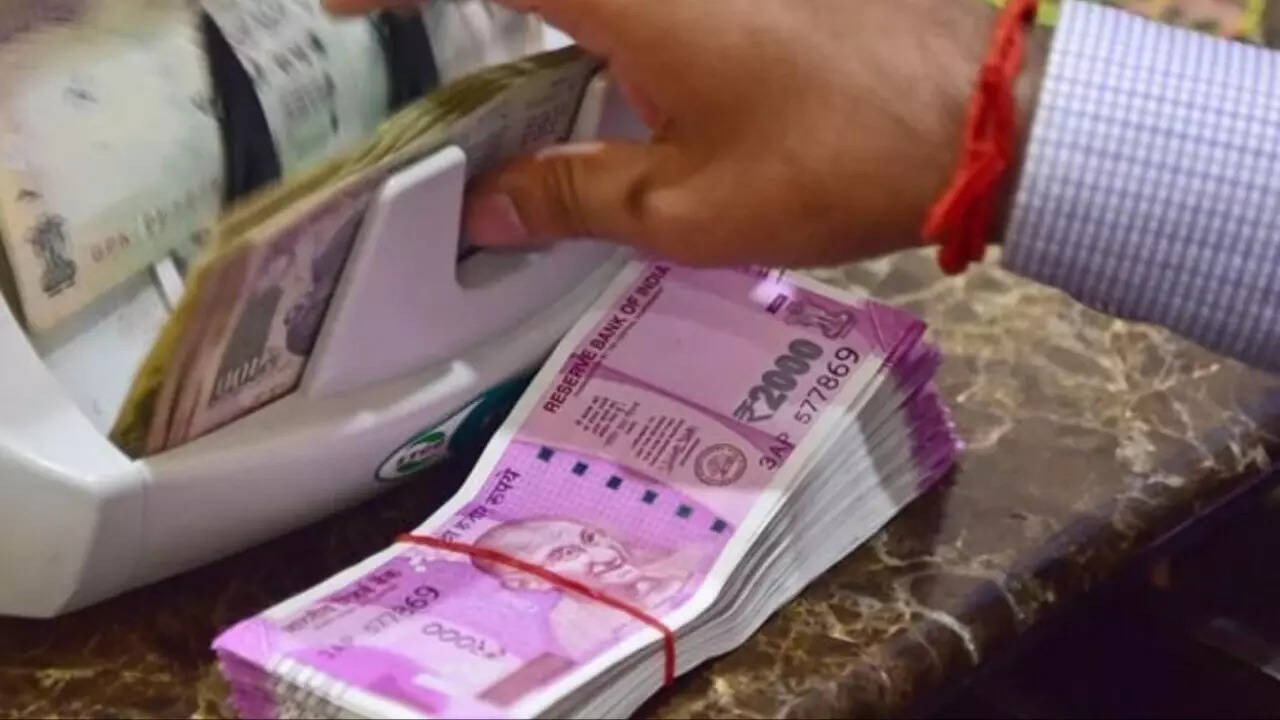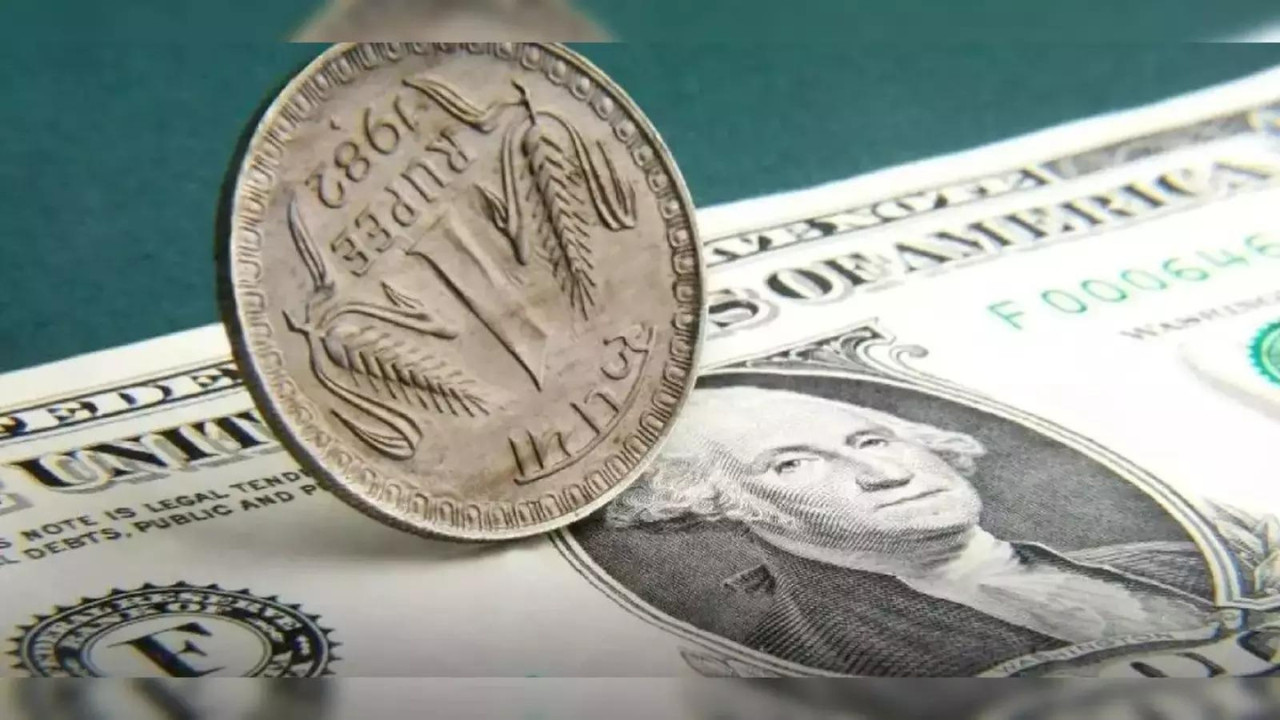
The Indian rupee plummeted to a record low of 89.49 against the dollar on Friday, experiencing its sharpest fall since May. This decline was driven by strong dollar demand, portfolio outflows, and concerns over US sanctions on entities facilitating Iranian oil sales. Despite the RBI’s stance on not targeting specific levels, intervention occurred after the 89 mark was breached.
Riding the Forex Rollercoaster: Decoding the Rupee’s Recent Dip
The Indian rupee recently took a tumble, breaching the 83 mark against the US dollar in what market watchers are calling a significant, albeit perhaps temporary, shift. It wasn’t just a gentle dip; it was a bit of a freefall, marking its worst single-day performance since May. If you’re like most people, you might be wondering, “What does this actually mean for me, and why should I care?” Let’s break it down.
The immediate cause can be traced back to a confluence of global and domestic factors creating a perfect storm in the forex market. Stronger-than-expected US economic data fueled speculation that the Federal Reserve might maintain its hawkish stance on interest rates for longer than initially anticipated. This, in turn, bolstered the dollar’s appeal as a safe-haven asset, drawing capital away from emerging markets like India. Think of it as a seesaw: when the dollar goes up, other currencies often feel the pressure.

On the home front, rising crude oil prices added another layer of complexity. India, being a major oil importer, sees its import bill swell when crude prices rise. This increased demand for dollars to pay for oil puts downward pressure on the rupee. It’s a classic supply and demand scenario: more demand for dollars, less demand for rupees, and the value of the rupee slides.
What Does a Weaker Rupee Mean for You?

So, how does this all translate to your everyday life? The impact is multifaceted. Firstly, imported goods become more expensive. That fancy gadget you’ve been eyeing, the imported cheese at your local supermarket, or even the components used in manufacturing many domestic products—all will likely see a price hike. This contributes to inflationary pressures, potentially eroding your purchasing power.
Secondly, travel plans might need revisiting. If you’re planning an international trip, your rupees won’t stretch as far as they used to. Accommodation, flights, and general expenses abroad will effectively become more costly.
However, there’s a silver lining for some. Exporters stand to benefit from a weaker rupee. Indian goods and services become more competitive in the global market, potentially boosting exports and generating more revenue for Indian businesses. This could lead to job creation and economic growth in certain sectors.
Navigating the Forex Fluctuations
The Reserve Bank of India (RBI) plays a crucial role in managing the rupee’s volatility. The central bank typically intervenes in the forex market to smooth out excessive fluctuations and prevent disruptive movements. They do this by buying or selling dollars to influence the supply and demand dynamics. The extent of the RBI’s intervention depends on various factors, including the severity of the rupee’s depreciation and the overall economic outlook.
While the recent dip in the Indian rupee is noteworthy, it’s crucial to remember that currency markets are inherently volatile. A multitude of factors, both domestic and global, can influence currency movements. Geopolitical events, changes in investor sentiment, and shifts in economic policies all play a role.

Looking Ahead: The Future of the Rupee
Predicting the future of any currency is a tricky business, but several factors will likely influence the rupee’s trajectory in the coming months. These include the direction of US interest rates, the global economic outlook, and India’s economic performance. Continued strong economic growth, coupled with prudent fiscal policies, could help stabilize the rupee and attract foreign investment.
It’s essential to stay informed and understand the underlying factors driving currency movements. While short-term fluctuations are inevitable, a long-term perspective and a diversified investment portfolio can help mitigate the impact of currency volatility. For example, reading about [how global events influence your investment portfolio](link-to-internal-article) can provide additional insight.
In conclusion, the recent weakening of the rupee is a complex issue with both challenges and opportunities. Understanding the drivers behind these fluctuations and their potential impact is crucial for businesses and individuals alike. While the ride might be a bit bumpy at times, informed decision-making can help navigate the forex rollercoaster and emerge stronger.