Riding the Wave: Understanding the Rupee’s Recent Surge
The Indian Rupee recently experienced a noticeable upswing, a welcome shift after facing considerable headwinds. But what spurred this positive momentum, and what does it mean for the Indian economy and everyday citizens? Let’s dive into the factors contributing to the Rupee’s rise and explore the potential implications.
The immediate trigger appears to be intervention by the Reserve Bank of India (RBI). Imagine the currency market as a vast ocean, constantly influenced by tides of supply and demand. When the Rupee showed signs of weakening, the RBI stepped in, effectively smoothing out the choppy waters. This intervention, likely involving the sale of US dollars and the purchase of Rupees, helped bolster the Rupee’s value.
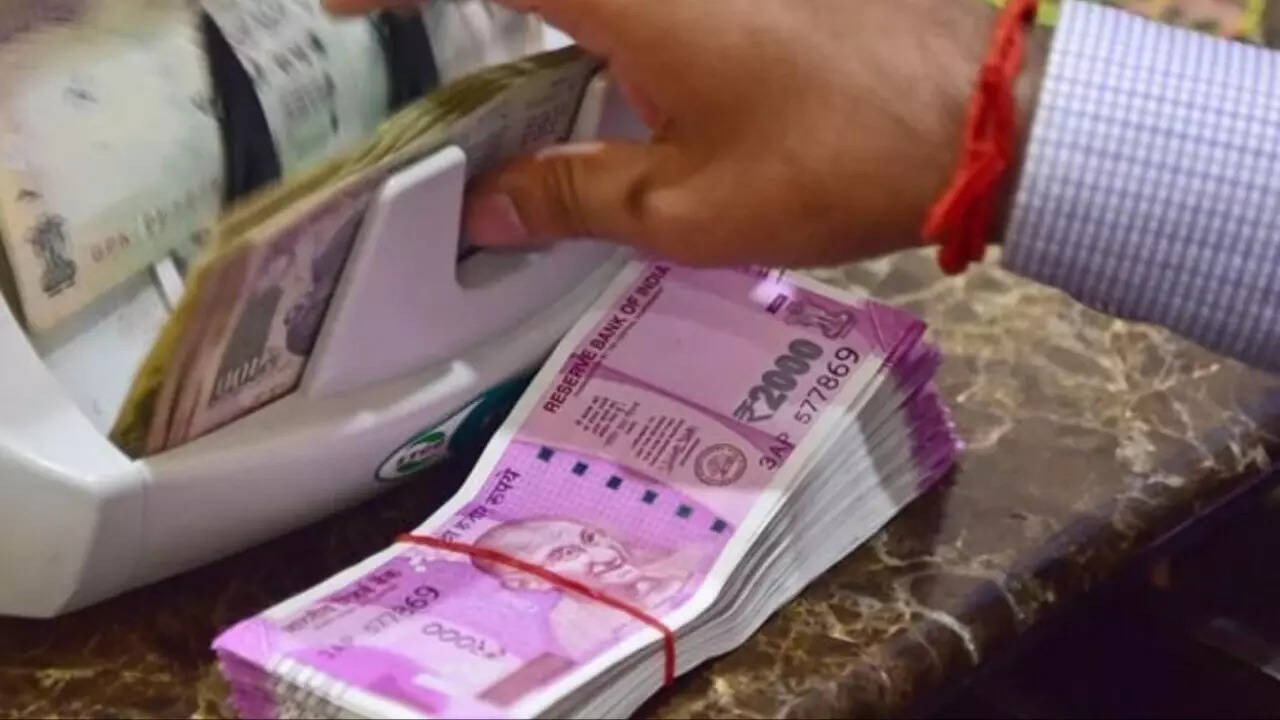
<img src="image-of-indian-rupee.jpg" alt="Image highlighting the strengthening Indian Rupee.” width=”600″ height=”400″>
However, RBI intervention isn’t the whole story. Several underlying currents also contributed to this positive trend. Global oil prices, a significant factor influencing India’s import bill and consequently the Rupee’s strength, have shown some signs of stabilization. A calmer oil market takes some pressure off the Rupee. Furthermore, positive sentiments stemming from foreign portfolio investments (FPIs) flowing into the Indian stock market also played a crucial role. These investments increase the demand for Rupees, naturally driving its value upward.

It’s not just about external factors either. India’s own economic performance plays a vital role. Recent data suggesting a robust economic recovery have instilled confidence in investors, both domestic and international. This optimism translates into increased demand for Indian assets, further strengthening the Rupee. The narrative around India as a growing economic powerhouse seems to be resonating, drawing in investment and bolstering the national currency.
What Does a Stronger Rupee Mean for You?
A strengthening Indian Rupee has a ripple effect, impacting various aspects of the economy and ultimately affecting individuals. For starters, imports become cheaper. This can translate to lower prices for imported goods, ranging from electronics to raw materials. For businesses that rely on imported components, a stronger Rupee can significantly reduce their costs, potentially leading to increased profitability and even lower prices for consumers.
Conversely, a stronger Rupee can make Indian exports more expensive for foreign buyers. This could potentially affect the competitiveness of Indian exporters in the global market. However, it’s worth noting that many Indian exporters hedge their currency risks, mitigating the impact of exchange rate fluctuations. Furthermore, the impact on exports depends on the specific sector and the overall demand for Indian goods and services. A high demand for Indian goods can offset the impact of a higher price due to a stronger rupee.
For individuals planning overseas travel or studying abroad, a stronger Rupee is undoubtedly good news. It means that your Rupees will go further, making your trips and educational expenses more affordable. Imagine that dream vacation to Europe suddenly becoming a little bit more attainable!

Navigating the Currency Market: Long-Term Considerations for the Indian Rupee
While the recent surge is encouraging, it’s crucial to remember that the currency market is inherently volatile. The Rupee’s future trajectory will depend on a complex interplay of global and domestic factors. Continued RBI vigilance, sustained economic growth, and stable commodity prices are all essential for maintaining the Rupee’s strength. Geopolitical events and shifts in global investor sentiment can also significantly impact the Rupee’s performance.
Looking ahead, keeping a close eye on these factors will be crucial for both businesses and individuals. Understanding the forces that influence the Rupee can help make informed financial decisions, whether it’s planning investments, managing import/export operations, or simply budgeting for international travel. Ultimately, a stable and well-managed Rupee is vital for ensuring sustainable economic growth and prosperity for India. Check out our other article on [India’s economic outlook](related-article-url) for more insights.
The Rupee’s recent rise highlights the dynamic nature of currency markets and the importance of strategic intervention and strong economic fundamentals. While challenges remain, the strengthening Indian Rupee offers a positive signal and underscores India’s growing prominence on the global economic stage.