The Indian rupee is unlikely to see a sharp fall soon, having already depreciated 4% this year and trading in a narrow band. Union Bank of India anticipates the rupee to remain range-bound between 88.80 and 89.50 through December, with potential strengthening contingent on equity inflows or progress on the India-US BTA.
The Rupee’s Resilience: Is Stability on the Horizon?
The Indian Rupee has certainly been on a rollercoaster ride this year, experiencing a roughly 4% dip against the US dollar. Anyone watching the markets has felt a flutter of uncertainty. But, before we brace ourselves for further turbulence, let’s dive into what’s fueling this volatility and, more importantly, whether calmer waters are ahead.
The recent weakening of the Rupee isn’t happening in a vacuum. Global economic winds, particularly the strength of the US dollar driven by robust economic data, have played a significant role. Add to that the ever-present geopolitical uncertainties, and you have a recipe for currency fluctuations. The foreign fund outflows have further contributed to this downward pressure.
However, the story doesn’t end there. A sense of cautious optimism is brewing among currency traders, hinting that the Rupee might be finding its footing. Several factors support this more stable outlook.
<img src="image-of-rupee-symbol.jpg" alt="Close-up of an Indian Rupee symbol, illustrating potential rupee stabilization.” width=”600″ height=”400″>
One key element is the Reserve Bank of India’s (RBI) active management of the currency market. The RBI has a history of intervening to curb excessive volatility, using its foreign exchange reserves to cushion the impact of global shocks. This intervention provides a safety net, signaling to the market that wild swings will be met with resistance.

Another factor lending support is India’s relatively strong economic performance. Compared to many other nations grappling with recession fears, India’s growth trajectory remains comparatively bright. This resilience acts as a magnet for foreign investment in the long run, ultimately bolstering the Rupee.
The India-US Trade Deal: A Potential Game Changer?
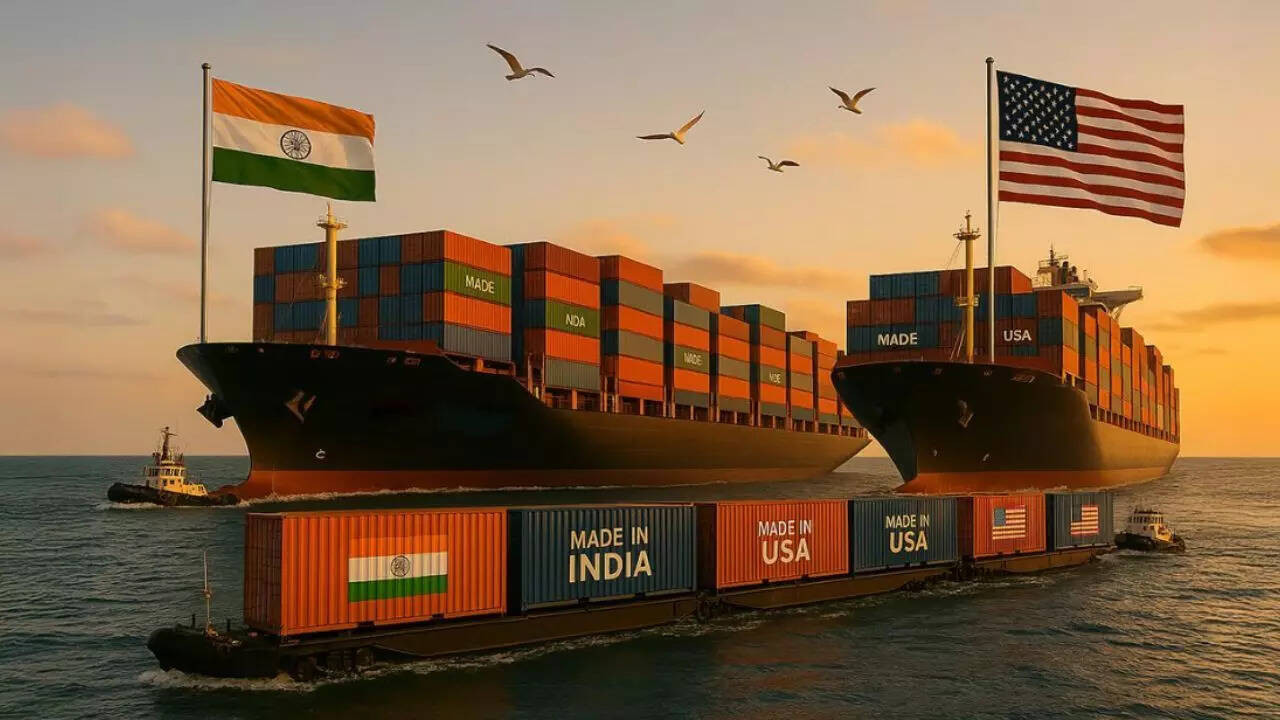
Looking ahead, currency traders are keenly watching the progress of the proposed trade deal between India and the United States. Such a deal could act as a catalyst for increased trade and investment flows between the two countries, providing a significant boost to the Indian economy and, consequently, the Rupee. Increased exports to the US would mean more dollars flowing into India, naturally strengthening the domestic currency.
The market is hungry for concrete cues on this front. Any positive developments or firm commitments regarding the trade deal could trigger a positive sentiment shift, leading to rupee stabilization and even potential appreciation.
Beyond Trade Deals: The Bigger Picture for Rupee Stabilization
While a trade deal with the US is a significant factor, the overall health of the Indian economy remains the most crucial determinant of the Rupee’s long-term trajectory. Sustained economic growth, coupled with prudent fiscal policies and a stable political environment, will create a solid foundation for a strong and stable currency. The nation’s current account deficit, a key indicator of the balance of payments, will also play a critical role. Managing this deficit effectively will be essential for maintaining confidence in the Rupee.

Furthermore, global oil prices will continue to exert influence. As a major oil importer, India is sensitive to fluctuations in global oil markets. Lower oil prices can ease pressure on the Rupee, while rising prices can have the opposite effect. Monitoring these trends is crucial for understanding the Rupee’s movements. You might also be interested in our article covering India’s import/export economy and its relationship to GDP.
Navigating the Currency Markets: A Word of Caution
Predicting currency movements with certainty is notoriously difficult. The global economic landscape is constantly shifting, and unforeseen events can quickly derail even the most carefully laid plans. Therefore, any forecasts should be viewed with caution. Investors and businesses should focus on managing risk effectively and diversifying their currency exposures to mitigate the impact of potential volatility.
The Bottom Line: Cautious Optimism for the Rupee
While the Indian Rupee has faced headwinds this year, the outlook is not entirely bleak. The RBI’s active intervention, India’s resilient economy, and the potential for a trade deal with the US all offer reasons for cautious optimism. However, ongoing monitoring of global economic trends, oil prices, and domestic policy developments is essential for understanding the Rupee’s future trajectory. Rupee stabilization relies on a complex interplay of factors, requiring careful analysis and strategic decision-making.