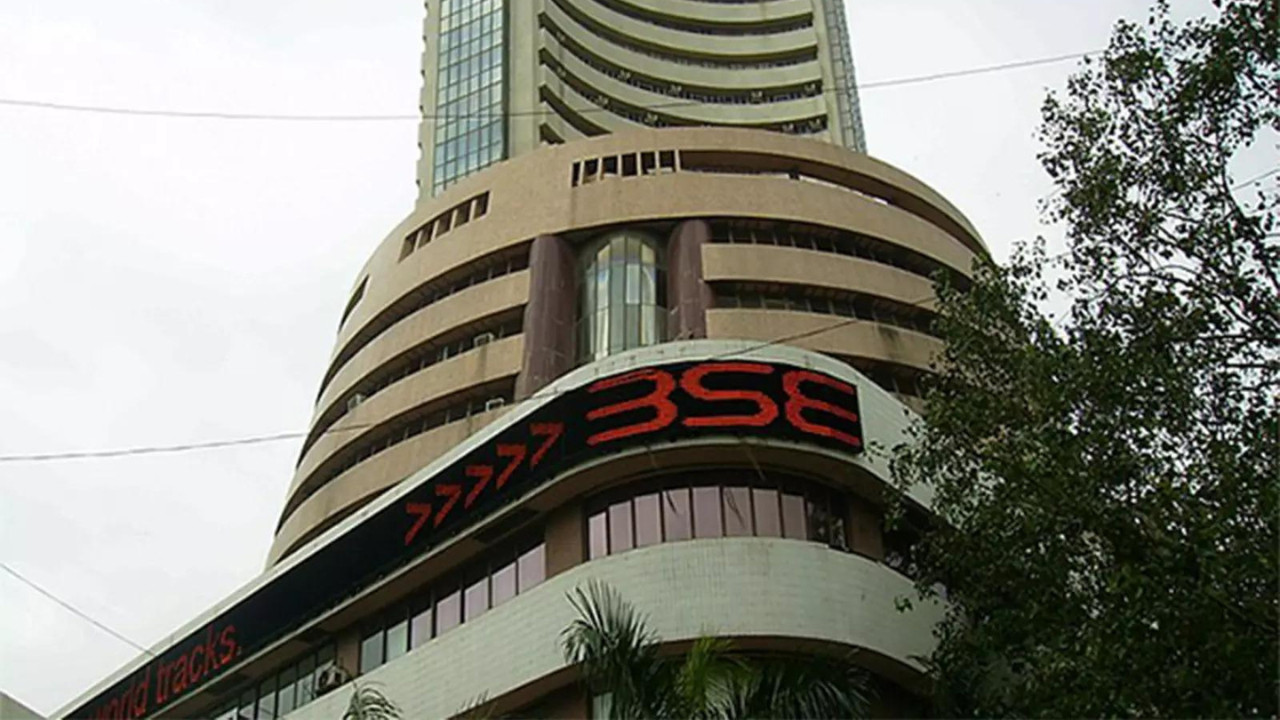
The Indian rupee has breached Rs 90 against the US dollar for the first time, driven by weak capital flows, importer demand, and trade deal uncertainty. This decline has impacted equity markets, prompting foreign investor selling despite strong domestic fundamentals. Analysts warn of further depreciation if the rupee sustains above this psychological barrier.
Is the Indian Rupee Nearing Uncharted Territory? Understanding the Recent Dip
The world of currency exchange rates can often feel like a high-stakes rollercoaster, with peaks and valleys dictated by a complex interplay of global economics and market sentiment. Lately, the Indian Rupee has been on a downward trajectory, sparking concern and prompting questions about what this means for the average investor and the Indian economy as a whole. Could the Rupee really slide past the psychologically significant 90 per dollar mark? And if it does, what are the implications?
Let’s unpack the recent movements of the Indian Rupee and explore the factors contributing to its current position. Several dynamics are at play. Firstly, the strength of the US dollar remains a significant headwind for many emerging market currencies. The dollar has been bolstered by robust economic data in the US and expectations regarding the Federal Reserve’s monetary policy. This strength makes the dollar an attractive option for investors, drawing capital away from other markets, including India.
Another contributing factor is the global economic uncertainty. Events like geopolitical tensions and concerns about global growth tend to increase risk aversion among investors. In such environments, they often flock to safer assets like the US dollar, further pressuring currencies like the Rupee. Add to this the complexities of international trade and fluctuating commodity prices, and you have a potent mix of forces influencing the Rupee’s performance.
<img src="image-of-indian-rupee.jpg" alt="Close-up of Indian Rupee banknotes, illustrating the impact of the Indian Rupee depreciation.” width=”600″ height=”400″>

Decoding the Impact on Investors
So, what does this all mean for investors? A weaker Rupee has a multi-faceted impact, influencing everything from import costs to investment returns.
For Indian companies that import goods or services, a depreciating Rupee translates to higher import costs. This increased cost burden can squeeze profit margins and potentially lead to inflationary pressures within the economy. Companies with significant dollar-denominated debt also face challenges as the cost of servicing that debt increases.
On the other hand, exporters stand to benefit from a weaker Rupee. Their goods and services become more competitive in the global market as they become relatively cheaper for foreign buyers. This can lead to increased export volumes and improved profitability for export-oriented businesses.
For individual investors, the Rupee’s depreciation can affect returns on international investments. Investments in foreign assets, particularly those denominated in US dollars, will see their Rupee value increase as the Rupee weakens. However, it’s also important to consider the specific performance of those assets in their local currency. A strong performing US stock can see even greater gains when translated back into Rupees in a depreciating currency environment.
Conversely, Indians planning to study or travel abroad will find that their expenses become more expensive. Everything from tuition fees to daily living costs will require more Rupees to cover.

Navigating the Volatility: Strategies for the Road Ahead
Given the current volatility, what steps can investors take to navigate these uncertain times? Diversification remains key. A well-diversified portfolio, encompassing both domestic and international assets, can help mitigate the risks associated with currency fluctuations. Consider allocating a portion of your investments to assets that tend to perform well in periods of Rupee weakness, such as export-oriented companies or foreign currency-denominated assets.
Another crucial aspect is to stay informed. Closely monitor global economic trends, policy announcements from the Reserve Bank of India (RBI), and developments in the international currency markets. This will enable you to make more informed investment decisions and adjust your portfolio as needed.
It’s also important to remember that currency fluctuations are a normal part of the economic cycle. Trying to time the market or predict the exact bottom of the Rupee’s decline is often a futile exercise. Instead, focus on building a long-term investment strategy that aligns with your risk tolerance and financial goals. Consider seeking advice from a qualified financial advisor who can provide personalized guidance based on your individual circumstances. Consider how inflation impacts your investment strategy alongside currency fluctuations. You can also explore our insights on [impact of inflation on investments](internal-link-to-inflation-article).
The Road Ahead: A Measured Approach
While the recent depreciation of the Indian Rupee has raised concerns, it’s crucial to maintain a balanced perspective. The currency market is influenced by a multitude of factors, and predicting its future trajectory with certainty is impossible. By understanding the underlying drivers of the Rupee’s movements, diversifying your portfolio, and staying informed, you can navigate the volatility and position yourself for long-term financial success. The key is to avoid knee-jerk reactions and instead adopt a measured, strategic approach to investing. The current situation highlights the importance of financial literacy and proactive portfolio management in an increasingly interconnected global economy.