Rural India’s consumption is outperforming urban markets, with a 7.7% year-on-year rise in Q2 FY26 driven by agricultural growth and stable wages. While urban demand remains muted, it is expected to gain momentum in Q3 FY26 due to policy measures and festive spending, particularly in discretionary categories like jewellery.
The Unsung Hero of India’s Economy: Rural Demand Steps into the Spotlight
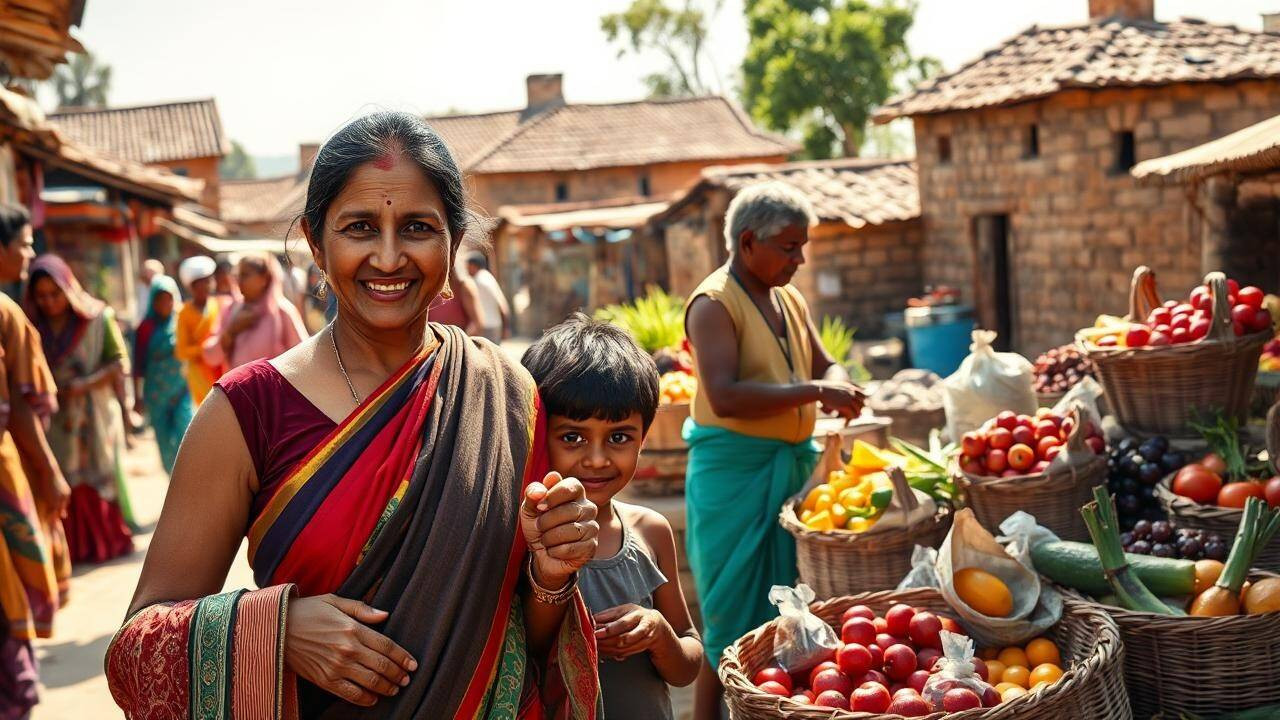
For quite some time, urban centers have been painted as the primary drivers of India’s economic engine. Gleaming skyscrapers, bustling malls, and the ever-present tech buzz have dominated the narrative. But beneath the surface, a different story is unfolding – a story where the Indian countryside is quietly, yet powerfully, reshaping the nation’s consumption landscape.
Forget the old stereotypes of rural India lagging behind. Recent indicators paint a compelling picture: rural demand is not only resilient, but actively fueling India’s consumption rebound. While urban growth has shown signs of softening, the heartland is stepping up, driving sales across various sectors. This shift is more than just a statistical blip; it signals a fundamental change in the dynamics of the Indian economy.
Why is Rural India Spending More?
Several factors are contributing to this surge in rural consumption. For starters, a healthier agricultural sector, boosted by favorable monsoons and government support, has put more disposable income in the hands of farmers. This increased purchasing power is translating into higher demand for everything from FMCG products to two-wheelers and even electronics.
Secondly, government initiatives aimed at rural development, such as infrastructure projects and direct benefit transfers, are playing a significant role. These programs are not just providing economic assistance; they are also creating employment opportunities and improving the overall quality of life in rural areas. As a result, rural consumers are becoming more aspirational and willing to spend on goods and services that were previously considered luxuries.

Finally, the increasing penetration of internet and mobile technology in rural India is connecting people to new markets and opportunities. This digital revolution is empowering rural entrepreneurs, fostering e-commerce, and enabling access to information that was once limited to urban centers. All of these factors combine to create a fertile ground for increased consumption and economic growth.
The Impact Across Sectors
The impact of this rural demand surge is being felt across various sectors of the Indian economy. FMCG companies, for example, are witnessing a significant uptick in sales in rural markets, prompting them to tailor their products and marketing strategies to better cater to the needs and preferences of rural consumers. Automobile manufacturers are also benefiting from the increased demand for two-wheelers and entry-level cars in rural areas.
Even the real estate sector is seeing a shift, with increased demand for affordable housing and infrastructure development in rural towns and villages. This growth is not limited to consumer goods; it extends to services like healthcare, education, and entertainment. The rise of rural tourism, for example, is creating new opportunities for local businesses and contributing to the overall economic prosperity of rural communities.

What About Urban Growth?
While rural demand is currently the star of the show, urban growth is not disappearing entirely. Experts anticipate that urban consumption will pick up pace in the third quarter of fiscal year 2026. As the economy continues to recover and employment rates improve, urban consumers are likely to loosen their purse strings and contribute to the overall consumption story. The key, however, lies in achieving a balanced and sustainable growth model that leverages the strengths of both rural and urban India.

We’ve seen similar trends before – check out our article on [India’s emerging markets and investment opportunities](internal-link-placeholder).
Looking Ahead
The rise of rural demand is a testament to the changing face of India. It highlights the resilience and potential of the Indian countryside and underscores the importance of inclusive growth strategies that focus on empowering rural communities. As India continues its journey towards becoming a global economic powerhouse, it is crucial to recognize and nurture the role of rural India as a key driver of sustainable and equitable growth. The future of India’s consumption story will undoubtedly be shaped by the interplay between rural and urban forces, and it is up to policymakers and businesses to create an environment that allows both to thrive.
In conclusion, the narrative is shifting. While urban centers remain crucial, the Indian countryside is no longer a passive bystander. The surge in rural demand signals a dynamic shift, presenting both challenges and opportunities for businesses and policymakers alike. Recognizing and responding to this transformation will be critical for ensuring inclusive and sustainable economic growth for India in the years to come, and harnessing the full potential of both urban and rural markets.