Navigating a World on Edge: Jamie Dimon Weighs In
The global economic landscape feels… well, let’s just say it’s less “rolling green hills” and more “precarious mountain pass” these days. Geopolitical tensions are ratcheting up, inflation is still a persistent buzzkill, and the question of what the future holds is weighing heavily on everyone’s minds.
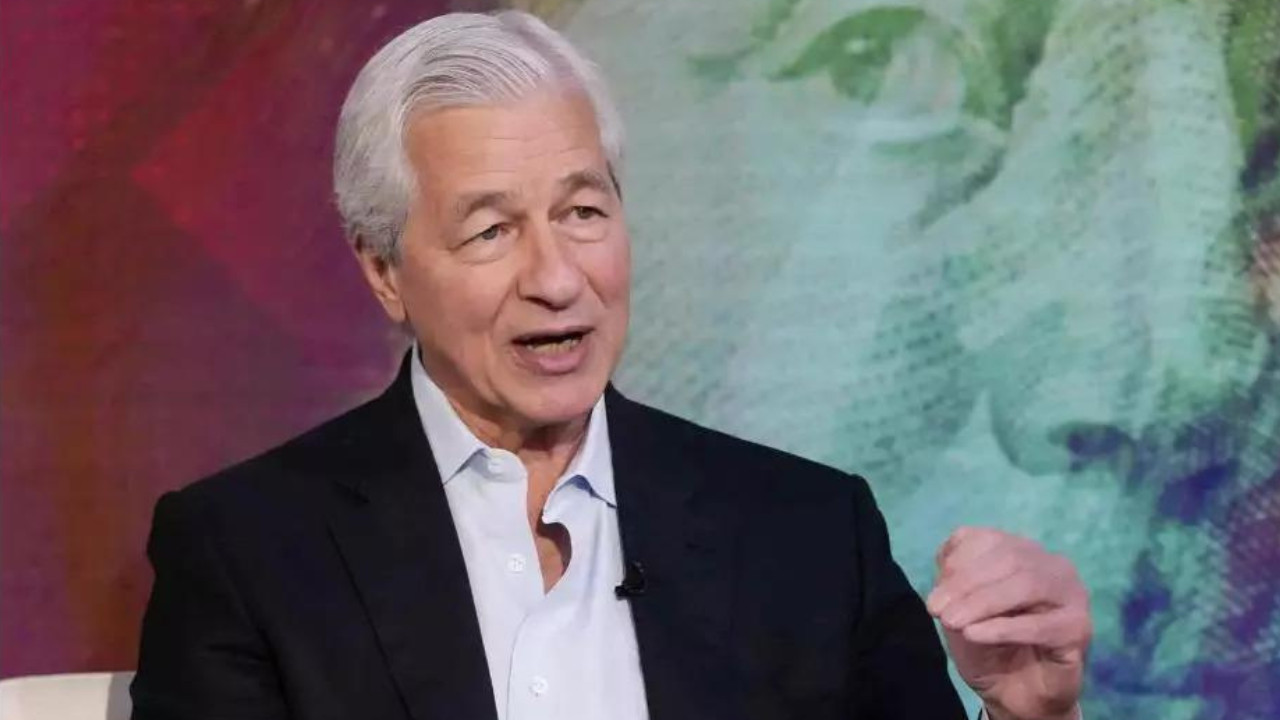
Recently, Jamie Dimon, the long-time CEO of JPMorgan Chase, offered his perspective on the situation, and it’s safe to say he didn’t sugarcoat things. His commentary offers a glimpse into the thinking of someone steering one of the world’s largest financial institutions through these turbulent waters. Let’s unpack what he had to say.
The Moral and Economic Cost of Conflict
Dimon didn’t mince words when addressing the ongoing conflict involving Russia. He framed it not just as a political or economic issue, but as a fundamental moral one. “Russia is doing bad things,” he stated plainly, emphasizing the need for action to stop them. This stance carries significant weight, particularly coming from the head of a major multinational corporation.
But beyond the moral imperative, Dimon acknowledged the inevitable economic repercussions. He anticipates trade will “feel the pressure,” suggesting a potential reshaping of global supply chains and trade relationships. This isn’t merely a prediction; it’s a recognition of the tangible consequences of geopolitical instability on the intricate web of international commerce. For businesses both large and small, the reality is that global trade is changing.


The Lingering Shadow of Inflation
The conversation, of course, couldn’t avoid the elephant in the room: inflation. Dimon has been consistently vocal about the persistent nature of this economic challenge, and his recent remarks reinforced this concern. While some inflationary pressures might ease in the short term, he suggests the underlying causes are more deeply rooted than many realize.
This perspective challenges the narrative of a quick and easy return to pre-inflationary levels. It implies a need for sustained vigilance and potentially more aggressive policy responses to effectively tame rising prices. For consumers and businesses alike, this means preparing for a potentially prolonged period of economic uncertainty, with careful financial planning becoming more crucial than ever. How can individuals adapt? Consider diversifying investment portfolios and developing robust budgeting strategies.
Navigating the Future: A Call for Strategic Adaptation
So, what’s the takeaway? Dimon’s comments paint a picture of a complex and evolving global landscape. He highlights the interconnectedness of geopolitical events, economic trends, and business strategies. The message isn’t one of outright pessimism, but rather a call for realism and proactive adaptation.

For businesses, this means reassessing supply chains, managing risks carefully, and embracing innovation to navigate potential disruptions. It requires a willingness to be flexible and adaptable in the face of unforeseen challenges. For investors, it means diversifying portfolios and considering long-term strategies that can weather periods of volatility. And for individuals, it means staying informed, making sound financial decisions, and preparing for a future that may look quite different from the past.
The key is not to simply react to events as they unfold, but to anticipate potential challenges and develop strategies to mitigate their impact. For further insights on navigating today’s volatile economic environment, explore our article on [Investment Strategies for Uncertain Times](Internal Link).
Embracing a Resilient Mindset in Uncertain Times
Ultimately, Jamie Dimon’s outlook serves as a reminder that the global economy is a dynamic and interconnected system. Successfully navigating this complex environment requires a blend of strategic foresight, proactive risk management, and a healthy dose of resilience. By acknowledging the challenges and preparing for potential disruptions, businesses, investors, and individuals can position themselves for success, even in the face of uncertainty.