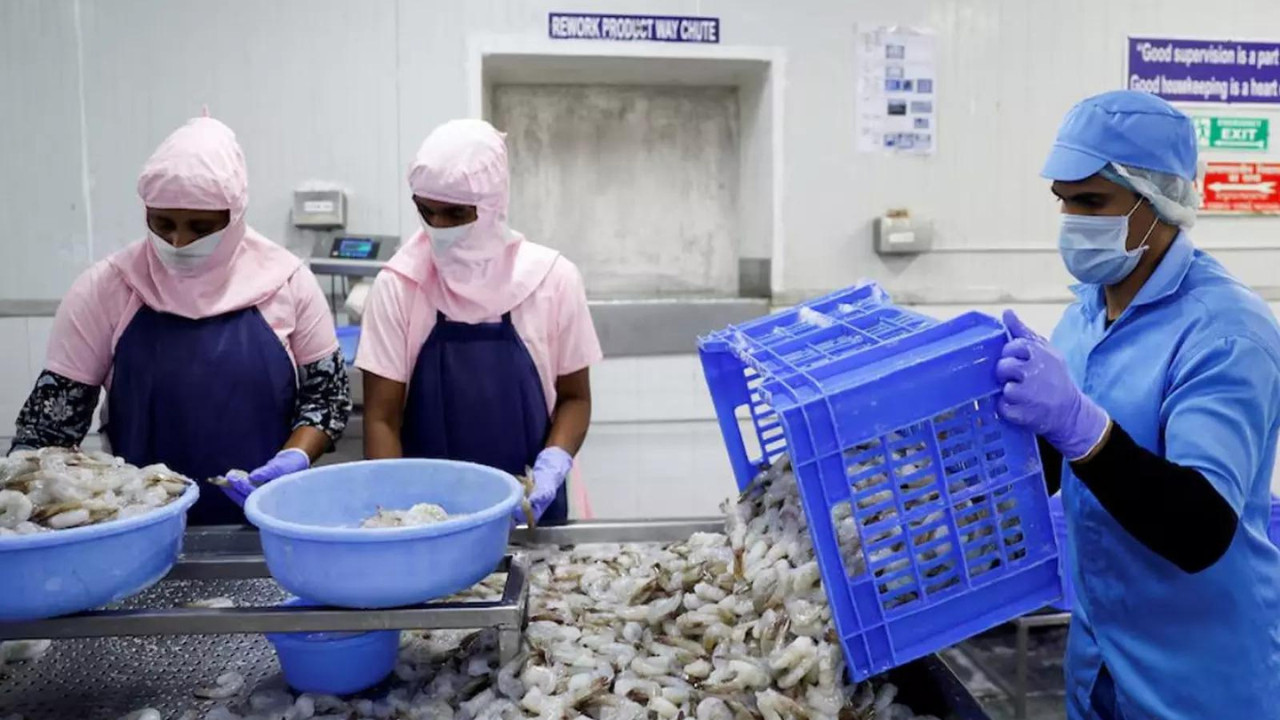
India’s shrimp exports surged 18% to $2.43 billion in the first five months of FY26, driven by markets beyond the US. Exporters are successfully diversifying their global reach, with Vietnam, Belgium, China, and Russia showing significant gains. Despite facing higher US tariffs, early shipments to America saw a mild improvement, though a slowdown is anticipated.
Navigating the Shifting Tides of Shrimp Exports: India’s Strategic Recalibration
The world of seafood is a complex ecosystem, and recently, the currents have been particularly turbulent for shrimp exporters, especially those relying heavily on the US market. India, a major player in global shrimp exports, is feeling these shifts acutely, but like a seasoned sailor, the nation is adjusting its sails to navigate the changing winds.
For years, the United States has been the undisputed king of shrimp consumption, gobbling up a significant chunk of India’s bounty. However, a storm is brewing on the horizon, manifesting as increased tariffs and a general tightening of the US market. This isn’t a sudden squall; it’s a gradual but persistent pressure that threatens to capsize the established order.
So, what’s an exporting nation to do? Sit tight and hope the storm passes? Absolutely not. India is demonstrating a proactive approach, charting a new course toward diversification. This means actively cultivating relationships with other shrimp-loving nations and strengthening its presence in markets beyond North America.
Beyond the US: Finding New Shores for Indian Shrimp
The strategy is not merely about finding alternative buyers; it’s about understanding the unique demands and preferences of different regions. For example, Japan has always been a steady, if smaller, market for Indian seafood. By focusing on quality and adhering to stringent Japanese standards, India can solidify its position there. Similarly, Southeast Asia, with its burgeoning middle class and love for all things culinary, presents a tantalizing opportunity.

But it’s not just about geographic diversification. It’s also about product diversification. Instead of solely focusing on the traditional frozen shrimp, Indian exporters are exploring value-added products, such as ready-to-eat meals and shrimp-based snacks. This adds another layer of resilience, making the industry less vulnerable to price fluctuations and demand shifts in any single market.

The Tariff Tightrope: Balancing Act in the American Market
Despite the push for diversification, abandoning the US market entirely isn’t a viable option. The US remains a significant consumer, and a complete retreat would be economically unwise. Therefore, Indian exporters are walking a tightrope, balancing their dependence on the US with the need to protect themselves from tariff increases.
One strategy involves optimizing production costs to absorb some of the tariff burden. This requires innovation in aquaculture practices, improving efficiency in processing plants, and streamlining the supply chain. It’s about becoming leaner and more competitive, ensuring that Indian shrimp remains attractive to American consumers even with the added cost. You can read more about optimizing aquaculture practices here.
Another aspect of this balancing act is advocating for fair trade practices and engaging in dialogue with US policymakers. It’s about making the case for the mutual benefits of continued trade and highlighting the importance of Indian shrimp to the American seafood market.

Safeguarding the Future of Shrimp Exports: A Multi-Pronged Approach
The road ahead will undoubtedly be challenging. The global shrimp market is dynamic, and new challenges will inevitably emerge. However, India’s proactive approach – diversifying markets, innovating products, and advocating for fair trade – positions it well to weather the storm and maintain its status as a major player in the shrimp exports industry.
The current situation isn’t just a threat; it’s an opportunity. An opportunity to become more resilient, more innovative, and more globally competitive. By embracing change and adapting to the evolving landscape, India can ensure the long-term sustainability and prosperity of its shrimp export sector. The industry must continue investing in research and development to improve aquaculture techniques, ensuring environmental sustainability and product quality. A focus on traceability and transparency will further enhance consumer confidence and strengthen India’s reputation as a reliable supplier of high-quality shrimp. In this way, the shifting tides can become a catalyst for positive change, propelling the Indian shrimp industry to even greater heights.