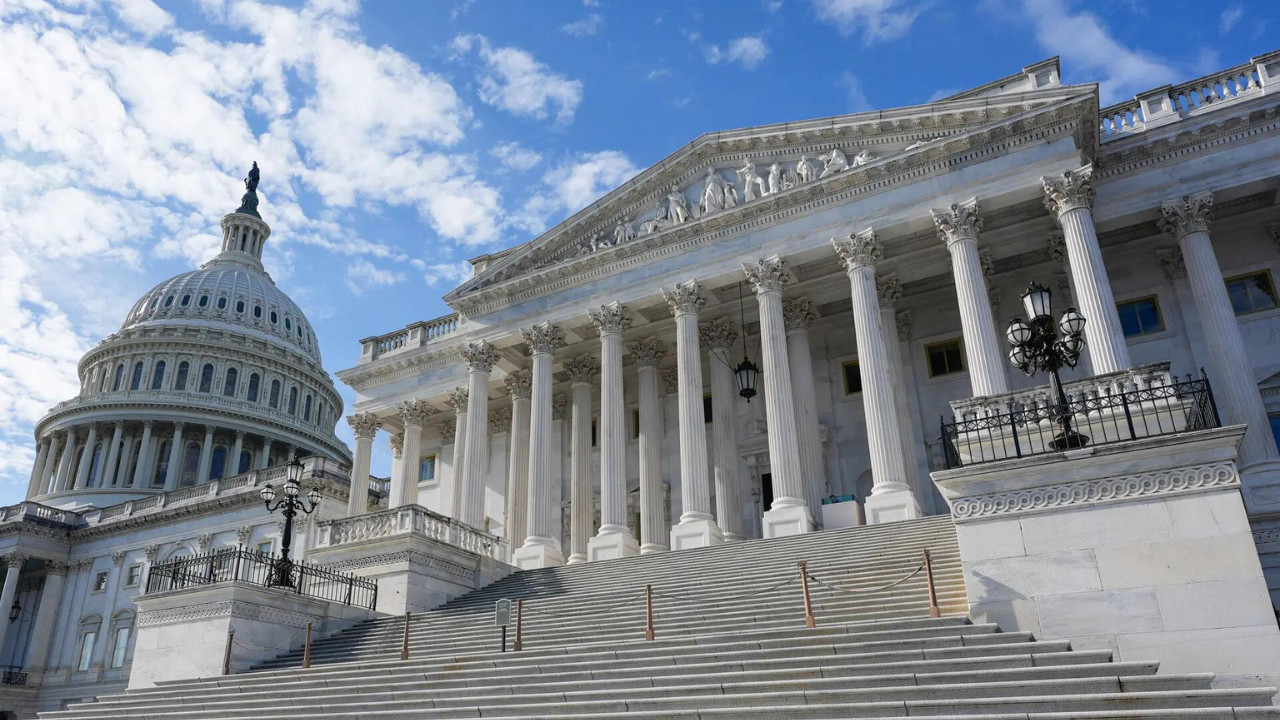
US government data on October inflation and jobs won’t be released due to a record shutdown, leaving the Federal Reserve blind ahead of its December policy meeting. The Bureau of Labor Statistics confirmed the cancellations, citing an inability to collect essential survey information. This data gap intensifies uncertainty for the Fed as it considers interest rate adjustments.
The Data Drought: How the US Government Shutdown is Blurring the Economic Picture
The US government shutdown – that period where the cogs of bureaucracy grind to a halt – didn’t just inconvenience travelers and shutter national parks. It’s thrown a wrench into something far more crucial: our understanding of the economy. October’s inflation and jobs data, typically a goldmine for analysts and policymakers, have been sidelined. Critical surveys were disrupted, leaving us navigating the economic landscape with a clouded map.
The absence of this data is more than just an annoyance; it creates genuine uncertainty. Imagine trying to steer a ship through choppy waters with a faulty radar. That’s essentially what the Federal Reserve is facing as it considers its next move on interest rates in December. These figures, especially those related to inflation and employment, are cornerstones in the Fed’s decision-making process. They help gauge the strength of the economy and determine whether further tightening, or perhaps a pause, is the appropriate course.

The shutdown’s disruption extends beyond just the immediate release of headline numbers. It impacts the very process of data collection. Surveys, often conducted through interviews and questionnaires, rely on consistent and timely participation. When government operations are suspended, this flow of information is interrupted. The result? Incomplete datasets and potentially skewed results. Think of it like trying to piece together a puzzle with missing pieces – you might get a general sense of the image, but crucial details are obscured.

This poses a real challenge for economists and market watchers. They rely on these data points to build models, forecast trends, and advise businesses and investors. Without reliable information, their analyses become less precise, and their predictions carry greater uncertainty. The absence of October’s data, therefore, ripples outwards, affecting financial markets and business decisions. The question then becomes: how can the Fed make informed decisions about interest rates without clear, up-to-date information on US inflation and the health of the job market?
The timing of this data blackout couldn’t be worse. The Fed is already grappling with complex economic crosscurrents. Inflation has proven more persistent than initially anticipated, while the labor market has remained surprisingly resilient. Navigating these conflicting signals requires accurate and reliable data. The shutdown-induced data drought only exacerbates the challenge, potentially leading to missteps in monetary policy.
Furthermore, the delay in data release impacts businesses planning for the future. Companies use economic indicators to anticipate consumer demand, manage inventory, and make investment decisions. When that information is unavailable, they’re forced to operate in the dark, making it harder to adapt to changing economic conditions. This can lead to inefficient resource allocation and missed opportunities for growth. We’re looking at a potentially cascading effect, where initial data disruptions trigger a wider range of economic consequences.
The broader consequence is a temporary dip in trust. When government functions are interrupted, faith in institutions diminishes. Getting those reliable figures back in circulation will be crucial in rebuilding that trust. Once those economic bellwethers are reliably re-established, stakeholders can begin recalibrating expectations. This includes financial institutions, government agencies, and the public at large.
What happens next? Agencies will undoubtedly be working to catch up, but the lost time can’t be recovered. The data void creates a period of increased volatility and uncertainty, as markets react to incomplete information and shifting expectations.

In conclusion, the US government shutdown’s ripple effects extend far beyond closed offices and delayed services. The disruption to economic data collection has created a significant information gap, making it harder for policymakers, businesses, and investors to make informed decisions. This underscores the critical importance of reliable and timely government data in maintaining economic stability and promoting sustainable growth. The hope now is that this interruption is a temporary setback, and that efforts to restore data collection and dissemination will be prioritized. The sooner we have a clear picture of the economic landscape, the better equipped we will be to navigate the challenges ahead. This setback may also spur conversations around how to future-proof critical data gathering processes to avoid similar disruptions in the future. See our article about [economic forecasting methods](internal-link) for related insight.
URL Slug: us-government-shutdown-economic-data